








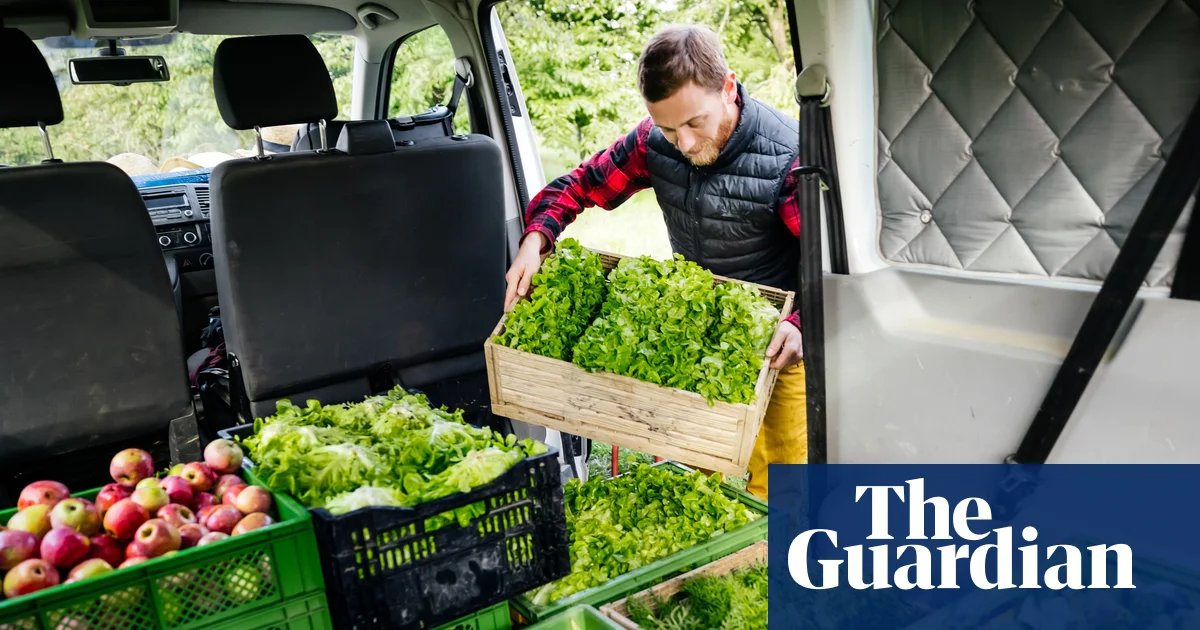
Food miles—the distance between farm, factory, and plate—first emerged as a central concern for environmentally conscious consumers in the early 2000s. The premise was intuitive: complex, long-haul supply chains inevitably generate higher emissions than goods sourced from the neighborhood. While this remains a relevant metric, the intervening decades have revealed that our environmental impact is defined by a far more complex web of factors, ranging from land use and animal agriculture to the persistent challenge of food and packaging waste.
As geopolitical instability and rising diesel costs continue to impact global supply chains, the debate over food miles has resurfaced with renewed urgency. According to Dr. Kimberley Reis, an expert in regional food resilience at Griffith University, the Australian grocery sector is dominated by centralized supply chains that move goods vast distances, often passing the resulting fuel costs directly to consumers. This reliance on long-distance logistics has sparked questions about the importance of self-sufficiency versus global trade.
Associate Professor Mengyu Li of the University of Sydney notes that the global food system is responsible for approximately one-third of total greenhouse gas emissions. While transport accounts for about 19% of these emissions, its impact varies significantly depending on the product, the mode of transport, and the need for climate-controlled refrigeration.
For high-impact foods, such as beef and lamb, the environmental footprint is primarily dictated by on-farm practices, including methane production from livestock and the clearing of land for grazing. In these instances, where the product is sourced is secondary to the nature of the product itself. “For those categories, like red meat consumption, it definitely matters more that we reduce them in the first place,” Li explains, noting that shifting toward plant-based proteins offers a more substantial reduction in emissions than simply choosing locally produced meat.
However, for perishable goods like fruits and vegetables, transport emissions can be significant, particularly when items are air-freighted or trucked over long distances in refrigerated containers. Here, the “food miles” argument remains potent. Fraser Taylor, managing director of FoodSwitch, emphasizes that while cutting back on meat is the “biggest single thing” a consumer can do to lower their environmental impact, transport remains a critical factor for imported commodities like coffee and chocolate, which are often tied to deforestation and intensive land-use changes in their regions of origin.
Beyond carbon metrics, proponents of local food systems argue that the benefits extend far beyond the environment. Organizations like Melbourne-based Ceres Fair Food operate on the belief that supporting local agriculture is essential for social and economic stability. By bypassing traditional supermarket supply chains, consumers can help sustain small-scale growers who are increasingly marginalized by the competitive pricing of major retailers.
“When you support local, you know where your food comes from, you can have a connection direct to that farmer, and you can have confidence that the farmer has looked after their land,” says Chris Ennis, a social enterprise executive at Ceres. This model also allows for innovative, lower-impact distribution methods, such as consolidated delivery runs that reduce “last-mile” emissions and the use of returnable, plastic-free packaging.
For those looking to reduce their environmental footprint, experts suggest a layered approach. The United Nations advises a combination of strategies: prioritizing plant-based diets, reducing household food waste, and actively choosing local or organic produce when possible.
Ultimately, the consensus is that while food miles should not be the sole focus of a sustainable diet, they remain a meaningful piece of the puzzle. Whether through supporting regional growers, joining community gardens, or growing herbs and vegetables at home, local food systems offer a pathway toward greater self-sufficiency, healthier regional economies, and a more resilient food supply in an increasingly uncertain world.
Disclaimer: This content is auto-generated for informational purposes only.
Source: Read Original News