








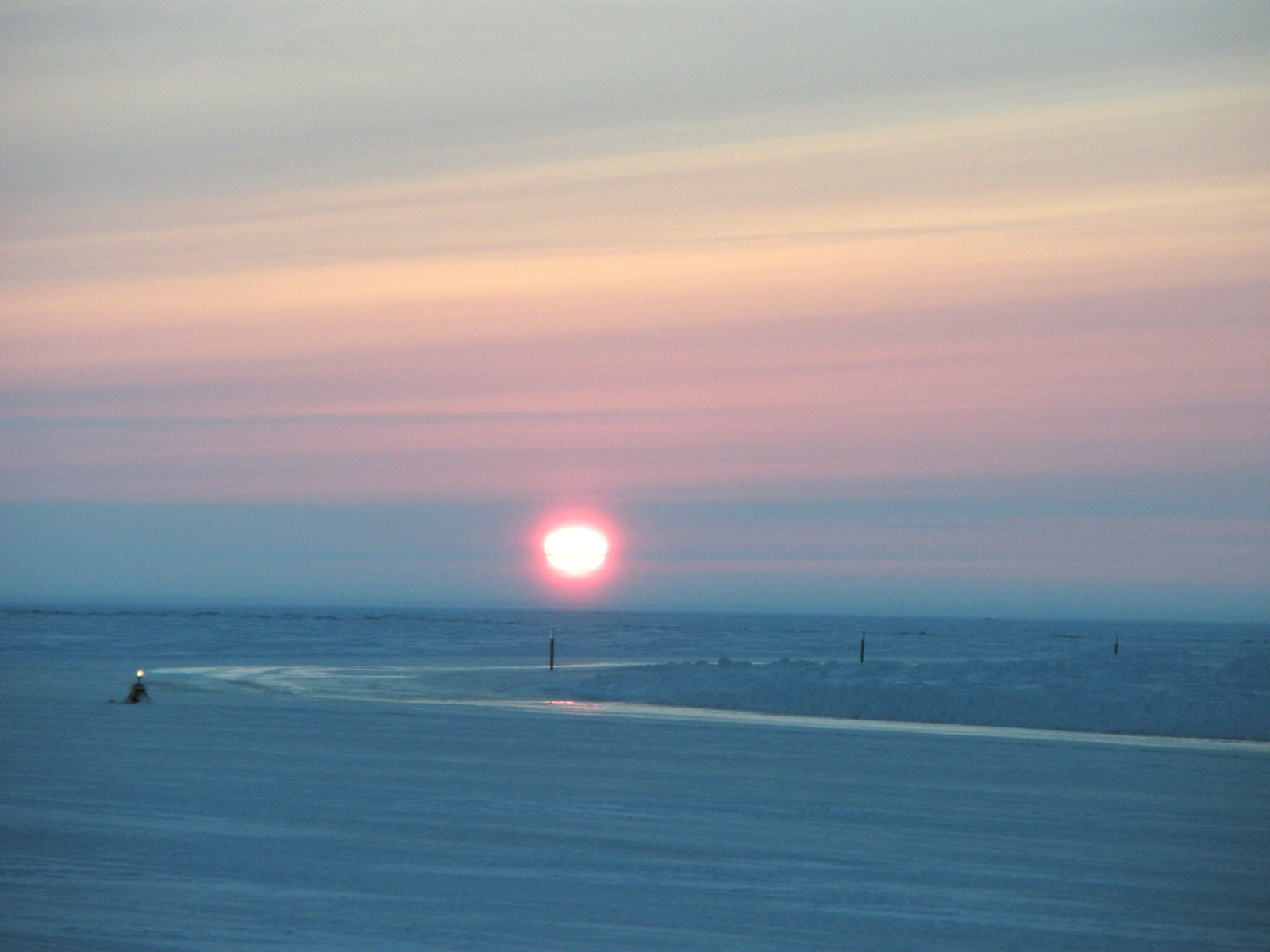
The U.S. Bureau of Land Management (BLM) has announced a new rule exempting wintertime oil exploration activities in Alaska’s National Petroleum Reserve from case-by-case environmental evaluations. The decision removes the requirement for individual environmental impact statements or detailed environmental analyses for seismic surveys, well drilling, and ice road construction under the National Environmental Policy Act (NEPA).
Under the new directive, which took effect immediately upon its release, the BLM will apply a “categorical exclusion” to these exploration activities. Agency officials argue that decades of permitting experience and past environmental studies provide sufficient oversight, negating the need for repeated, project-specific reviews.
“The BLM has decades of experience analyzing the effects of exploration in the Petroleum Reserve and permitting responsible exploration,” said Kevin Pendergast, the BLM’s Alaska state director. “This categorical exclusion builds on that record to allow developers to more nimbly locate energy resources, ultimately increasing domestic energy supply, leading to stable energy costs and more revenue for Alaskan communities.”
The move has drawn sharp lines between industry advocates and environmental conservation groups. The Alaska Oil and Gas Association (AOGA) lauded the administration for what it termed a “common-sense action,” stating that historical data confirms winter exploratory activities result in no significant environmental impacts. Industry proponents maintain that the change will streamline development, bolster national energy security, and foster job creation.
In contrast, conservationists view the rule as part of a systematic effort to bypass regulatory scrutiny on public lands. Andy Moderow, senior director of policy for the Alaska Wilderness League, criticized the “drill first and discover the impacts later” approach, noting that it leaves Arctic ecosystems vulnerable. Matt Jackson of The Wilderness Society added that the policy effectively shuts the public out of the decision-making process. “The Western Arctic is not a uniform landscape, and these are not small, routine activities,” Jackson said. “Where companies operate, how much ground they cover, and what conditions exist on the tundra all matter.”
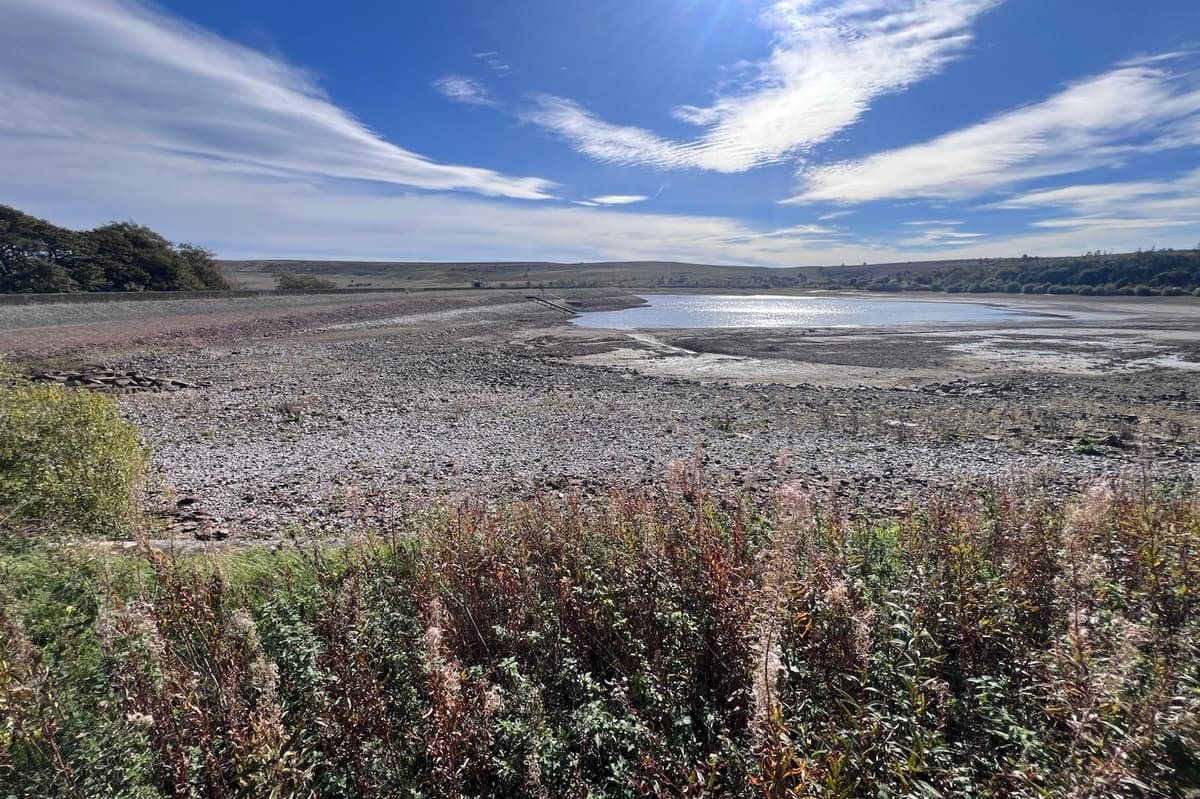
Scientific research suggests that the assumption of negligible impact may overlook complex environmental realities. Studies from the University of Alaska Fairbanks have identified that seismic surveys can inflict lasting damage on sensitive permafrost terrain. Furthermore, researchers have warned that climate-driven changes, such as reduced water availability in tundra lakes, threaten the viability of ice road networks and the fish populations that rely on those water sources. Additional studies from the Institute for Conservation Research have highlighted that industrial noise from “thumper” trucks and aircraft can disturb denning polar bears up to a mile away.
This rule follows a broader push by the administration to expand industrial activity within the Indiana-sized reserve. In recent years, management plans have shifted significantly, opening more than 80% of the reserve to oil leasing, including sensitive regions like the wetlands surrounding Teshekpuk Lake. These areas were previously protected for their critical role in supporting migratory birds, caribou herds, and Indigenous subsistence traditions.
The administration’s aggressive approach to Arctic development has already sparked legal friction. A recent conflict regarding the protection of caribou habitat near the village of Nuiqsut resulted in a federal court ruling against the government, a decision the administration is currently appealing. Despite these legal challenges, the federal government moved forward with a record-breaking lease sale in March, securing $163 million in bids for territory that remains the subject of ongoing litigation.
The new categorical exclusion for exploration is the second such move in recent months, following a similar proposal to streamline development project permitting. With no public comment period afforded for the exploration rule, critics argue that the federal government is consolidating power at the expense of environmental transparency in one of the nation’s last great wilderness areas.
Disclaimer: This content is auto-generated for informational purposes only.
Source: Read Original News