








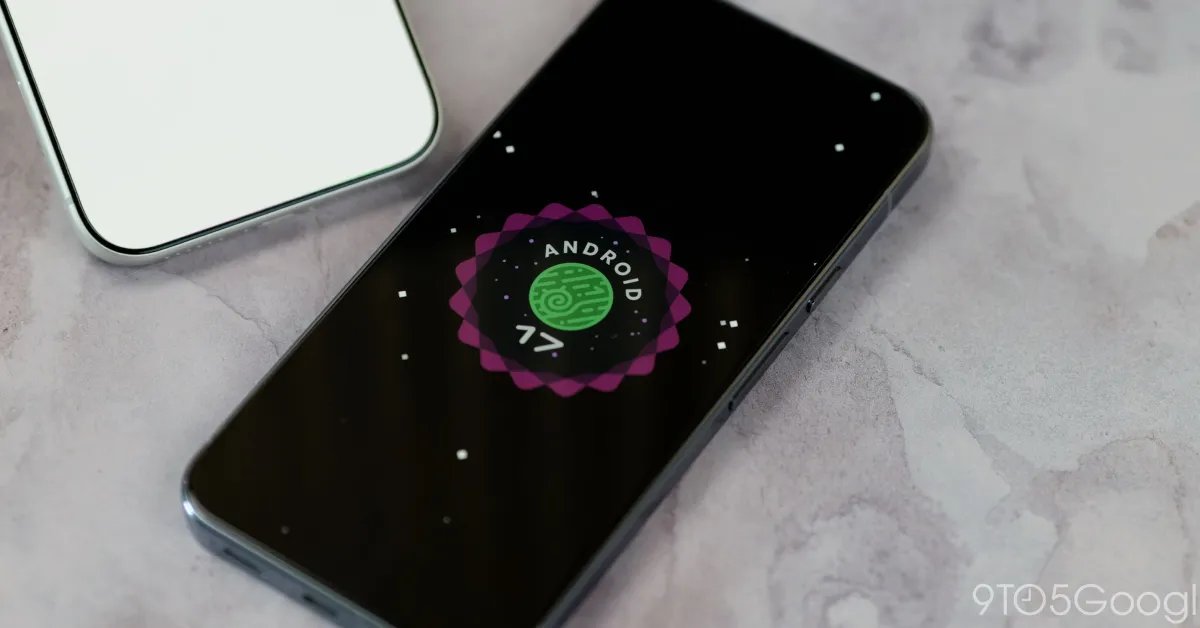
Refining the Android 17 Experience: The Rollout of QPR2 Beta 7
The development cycle for Android 17 continues to move at a rapid pace. Even as engineers begin shifting their primary focus toward the early stages of QPR3, the Android team has released Android 17 QPR2 Beta 7 for Pixel devices. This release serves as a crucial maintenance update, primarily designed to solidify the stability of the QPR2 branch before it reaches its final, public-facing stable iteration. By addressing specific technical hurdles encountered by testers in previous builds, this update ensures that the operating system maintains its integrity during high-load scenarios.
For current participants in the Android Beta program, the availability of Beta 7 signifies a commitment to polishing the core infrastructure of the device. While feature additions are typically reserved for major version bumps, QPR—or Quarterly Platform Release—builds remain essential for optimizing system performance and correcting bugs that would otherwise compromise the user experience.
Addressing Critical Power Management and System Stability
The most significant changes in Beta 7 center on resolving issues that directly impact hardware efficiency and network operations. One of the primary bugs fixed in this release concerns battery longevity. Previous iterations of the QPR2 beta suffered from excessive battery drain during idle states. Investigation revealed that the “Flip to Shh” feature, which allows users to silence notifications by placing the device face-down, was interfering with the system’s ability to enter deep sleep mode. When the device entered this state, the associated sensor polling remained active, preventing the processor from dropping into its lowest power consumption state.
By recalibrating the interaction between the gesture-sensing hardware and the kernel’s power management system, Beta 7 effectively restores the expected standby duration for Pixel devices. This technical correction is vital for maintaining the battery health of mobile hardware, as persistent wake-locks during idle periods can lead to premature battery degradation over extended periods of usage.
Furthermore, the update addresses a significant failure within the system DownloadManager. In previous builds, HTTPS downloads were failing immediately upon initiation, preventing users from retrieving updates or file assets through standard system-level triggers. By patching the handling of secure socket layers within the download framework, Beta 7 restores the reliable delivery of system-initiated background transfers, ensuring that connectivity-dependent services remain operational.
Broad Hardware Compatibility and Deployment
Google has maintained a wide range of hardware support for this release, reinforcing its commitment to supporting several generations of the Pixel lineup. The list of supported devices for Android 17 QPR2 Beta 7 is exhaustive, covering models ranging from the Pixel 6a through to the latest iterations of the Pixel 11 series, including the various Pro, XL, and Fold models. This broad support ensures that developers and power users across different hardware architectures can participate in the validation process.
The release also extends to the Android Emulator, which remains a cornerstone tool for application developers who need to test their software against the latest platform changes without requiring dedicated physical hardware. By providing system images for such a diverse array of devices, the development team can gather data on how the software behaves across different screen densities, memory configurations, and camera arrays. This diversity of testing is fundamental to ensuring that the eventual public release of Android 17 is robust enough to handle the fragmented nature of the Android ecosystem.
Feedback Loops and the Future of the Beta Program
The process of refining Android 17 relies heavily on the feedback loop established through the Android Beta Feedback app. This tool is built directly into the software, allowing testers to submit structured bug reports that are ingested directly into Google’s internal issue tracking systems. For participants, this means that every observed anomaly, from UI stuttering to hardware incompatibility, can be traced back to specific code commits.
The existence of a dedicated community on platforms like Reddit further supplements this, providing a space for users to compare findings and determine if specific software behaviors are systemic or isolated to individual configurations. As development shifts toward QPR3, this community intelligence remains a key component in prioritizing which technical issues must be mitigated. While some users may be tempted to pivot immediately to the newer QPR3 beta, those who prioritize stability should consider remaining on the QPR2 track until the final build is signed off, as the transition to newer, less mature development branches can introduce unrefined code and potential performance regressions.
Strategic Implications for Developers
For the broader Android developer ecosystem, these incremental QPR releases represent the standard cadence for modern mobile software development. By maintaining a constant flow of updates, Google creates an environment where performance-critical bugs are identified and rectified before they affect a massive user base. Developers are encouraged to utilize these beta images to ensure their applications are optimized for the latest kernel refinements and security patches.
As the industry moves toward more complex hardware implementations, such as the increased focus on foldable screen optimizations seen in the Pixel 9, 10, and 11 Pro Fold models, these software updates provide the necessary framework for multitasking, power management, and responsive display handling. Android 17 QPR2 Beta 7 is a clear indicator that while innovation is constant, the stability of the core operating system remains the primary metric of success. Maintaining this balance between cutting-edge functionality and system reliability is what allows the platform to support millions of devices globally without succumbing to technical debt.
Disclaimer: This content is auto-generated for informational purposes only.
Source: Read Original News