








Soaring Energy Costs: Middle East Tensions Drive India’s LNG Prices to Multi-Year Highs
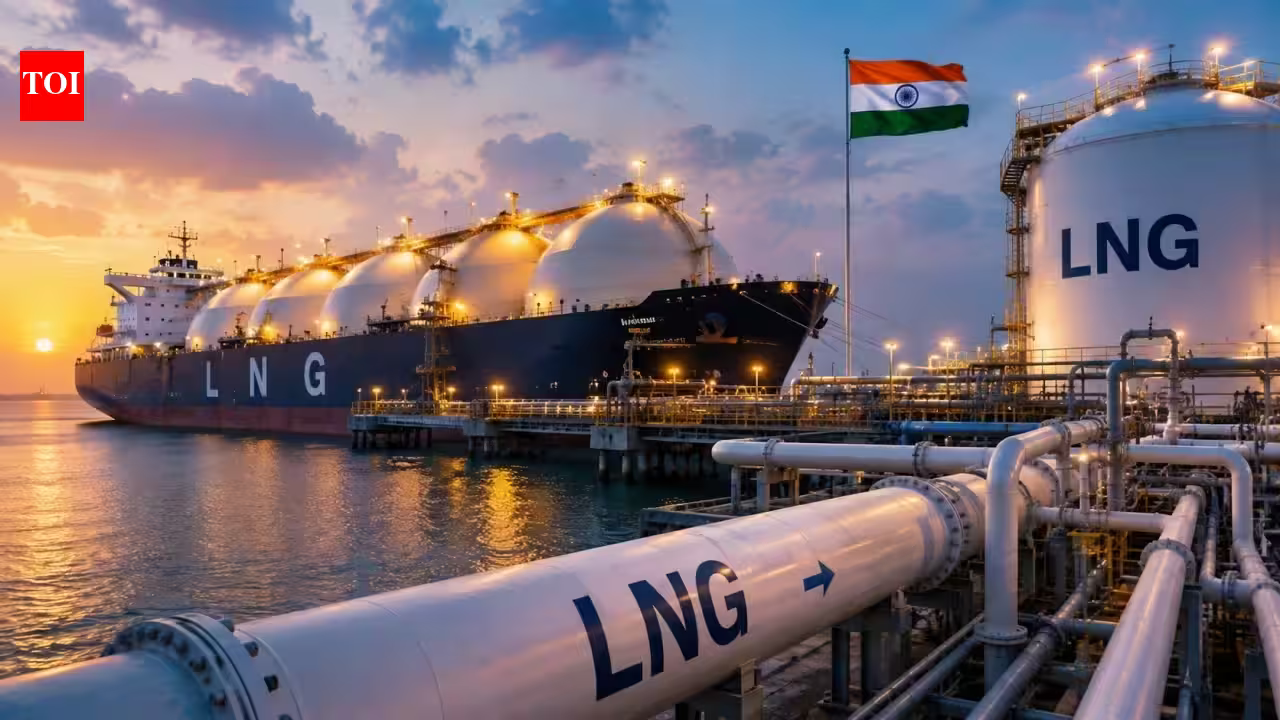
New Delhi: Escalating geopolitical instability in the Middle East has sent shockwaves through India’s energy sector. Ongoing maritime disruptions in the Strait of Hormuz, exacerbated by the US-Iran conflict, have left Indian energy majors scrambling for supplies, forcing them to pay some of the highest prices for Liquified Natural Gas (LNG) seen in years.
A Spike in Spot Market Costs
Recent data indicates that state-run energy companies are facing significant financial pressure. According to industry insiders, GAIL India Ltd. recently secured a cargo for September delivery at over $23 per million British thermal units (mmbtu). Similarly, Gujarat State Petroleum Corp (GSPC) reportedly settled for a price in the mid-$23 range for its own September procurement.
Market analysts note that these figures represent the most expensive LNG shipments imported into India since 2022. The price hike is being driven by an urgent need to secure fuel for domestic fertilizer producers, forcing state-backed companies to enter the spot market and compete aggressively with European buyers, where gas prices have already hit five-month highs.
Supply Chain Fragility
For years, India has relied heavily on long-term contracts with Qatar, the world’s second-largest supplier of LNG. However, recent infrastructure challenges have upended these traditional supply lines. Following damage to Qatar’s massive export terminals caused by Iranian attacks in March, coupled with the effective closure of the Strait of Hormuz to consistent traffic, the reliability of these long-term arrangements has been severely compromised.
As Bharat Petroleum Corp. and other major Indian importers pivot to the spot market to compensate for the shortfall, the intense competition has inevitably bid up prices.
Strategic Diversification Amid Crisis
In response to the mounting geopolitical tensions, the Indian government has accelerated efforts to diversify its energy basket. Addressing the Rajya Sabha earlier this month, the Ministry of Petroleum and Natural Gas revealed that India now sources LNG from 15 countries, a significant increase from the previous six. Similarly, the number of countries providing crude oil to India has expanded from 27 to 41.
“This diversification has reduced dependence on any particular country, region, or transit route and enhanced India’s ability to manage supply disruptions and market volatility,” said Suresh Gopi, Minister of State for Petroleum and Natural Gas.
Looking Ahead
The government continues to monitor the situation closely, maintaining active coordination with public-sector oil and gas companies to mitigate the impact of global supply chain risks. While the current price surge poses a challenge for India’s energy-dependent industries, officials maintain that the strategic expansion of the supplier base is a critical step toward ensuring long-term energy security.
As the conflict in the Middle East persists, India’s ability to navigate the volatile global energy landscape will depend heavily on its continued success in balancing traditional long-term agreements with a broader, more resilient network of international suppliers.