







The Evolution of the MacBook Interface
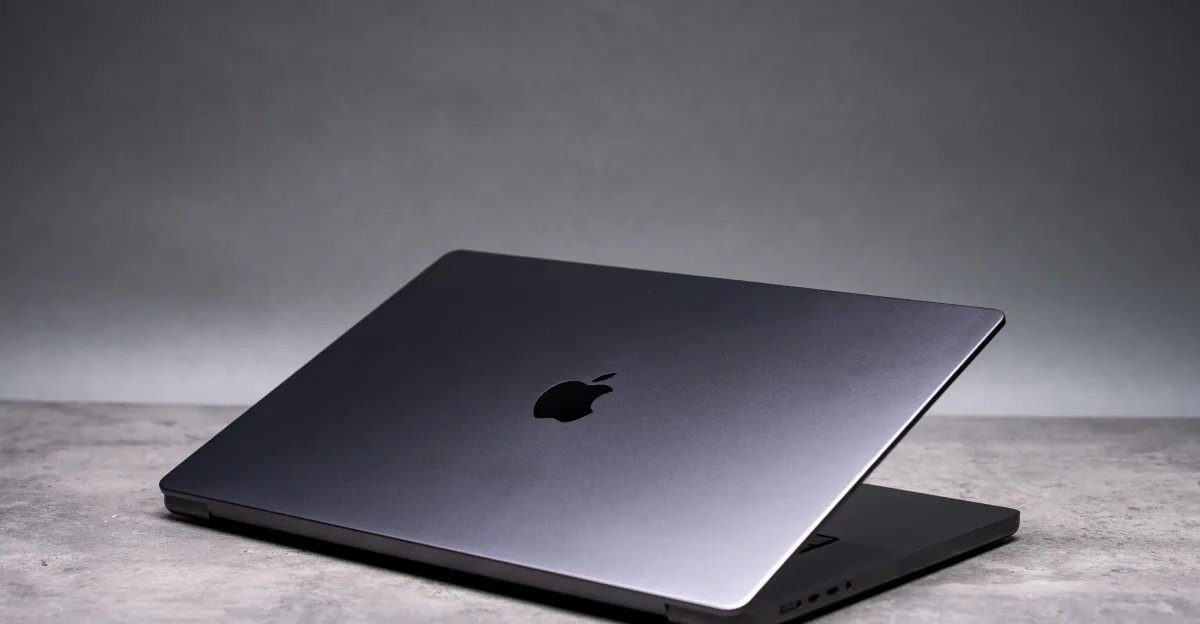
Apple is preparing to bridge the gap between its mobile and desktop ecosystems by introducing a touchscreen MacBook Pro. For years, the company maintained a rigid distinction between the iPad’s touch-first interface and the macOS environment, which was strictly optimized for cursor and keyboard precision. This upcoming release signifies a major shift in hardware design philosophy. The incorporation of OLED touchscreen displays marks the first time in the history of the MacBook line that Apple will offer a direct tactile interface for its professional laptops.
The transition to OLED technology is expected to provide superior contrast, deeper blacks, and enhanced power efficiency compared to the Liquid Retina XDR displays currently used in the lineup. Beyond visual quality, the addition of touch capabilities suggests that macOS will undergo significant interface adjustments. Software developers will likely need to refine applications to accommodate touch inputs, potentially allowing for more intuitive interactions in creative suites that currently rely heavily on trackpad gestures.
Integration of Dynamic Island Architecture
In addition to the touchscreen functionality, the new MacBook Pro models will reportedly incorporate the Dynamic Island interface. Originally introduced on the iPhone 14 Pro, this feature repurposes the area around the camera module to provide real-time updates and notifications. By bringing this interface to the MacBook, Apple aims to create a more cohesive user experience across its hardware portfolio.
On a laptop, the Dynamic Island could serve as a centralized hub for system alerts, media playback controls, and background tasks. This implementation reduces the need for users to constantly shift their focus between different windows to monitor status updates. It acts as an ambient layer of software that keeps essential information visible without occupying a large portion of the screen real estate. This redesign not only streamlines navigation but also maximizes the utility of the space around the webcam housing.
Hardware Performance and the M6 Chip
The internal architecture of the new MacBook Pro will see a significant upgrade with the inclusion of the M6 chip. This processor, which debuted in the recent Mac Mini, represents the latest iteration of Apple’s custom silicon. The M6 is designed to deliver improved computational throughput and energy efficiency, allowing the MacBook Pro to handle demanding professional workflows, such as high-resolution video rendering, complex code compilation, and machine learning model training.
For users who prefer the existing industrial design, Apple plans to keep current form factors available while upgrading the internal components to the M6 architecture. This ensures that professionals who rely on established hardware configurations can still benefit from the increased performance of the latest silicon. By offering both a refreshed, lighter model with touch features and a performance-focused model with the classic chassis, Apple is providing a range of hardware configurations tailored to different professional requirements.
Refining the iPad Mini Experience
While the focus of the October event remains largely on the Mac lineup, the iPad Mini is also receiving a strategic update. The seventh-generation iPad Mini, building on the foundation of the 2024 model, introduces changes meant to optimize the tablet for video conferencing and media consumption. The most notable change is the repositioning of the front-facing camera to the landscape edge. This adjustment aligns with the orientation most users adopt during video calls, ensuring more natural eye contact and framing.
Furthermore, the integration of a revamped speaker system aims to enhance the audio quality for mobile entertainment. As tablets increasingly serve as primary devices for portable media production and consumption, these hardware adjustments address the specific pain points of users who utilize the iPad Mini as a secondary productivity machine or a handheld content creation tool. These updates reflect a subtle but meaningful refinement of a device that has carved out a specific niche as a high-performance, ultra-portable tablet.
Strategic Timing and Industry Impact
The scheduling of this event, occurring just two weeks after a separate smart home-focused presentation, highlights an aggressive hardware release cycle for the end of the year. By segmenting its announcements, Apple allows each product line to receive distinct attention. The late October presentation, featuring both an online broadcast and an in-person component for the press, indicates that Apple is treating these updates as significant milestones in its current product roadmap.
The broader impact of these releases is the convergence of input methods. By testing touchscreen technology on high-end laptops and standardizing UI elements like the Dynamic Island across devices, Apple is effectively narrowing the gap between its various operating systems. This alignment benefits the developer ecosystem, as applications optimized for one platform can more easily translate to another. As Apple continues to iterate on its hardware, the boundary between the tablet and the laptop continues to fade, moving toward a future where computing devices are defined by their capability rather than their hardware architecture.
Disclaimer: This content is auto-generated for informational purposes only.
Source: Read Original News