








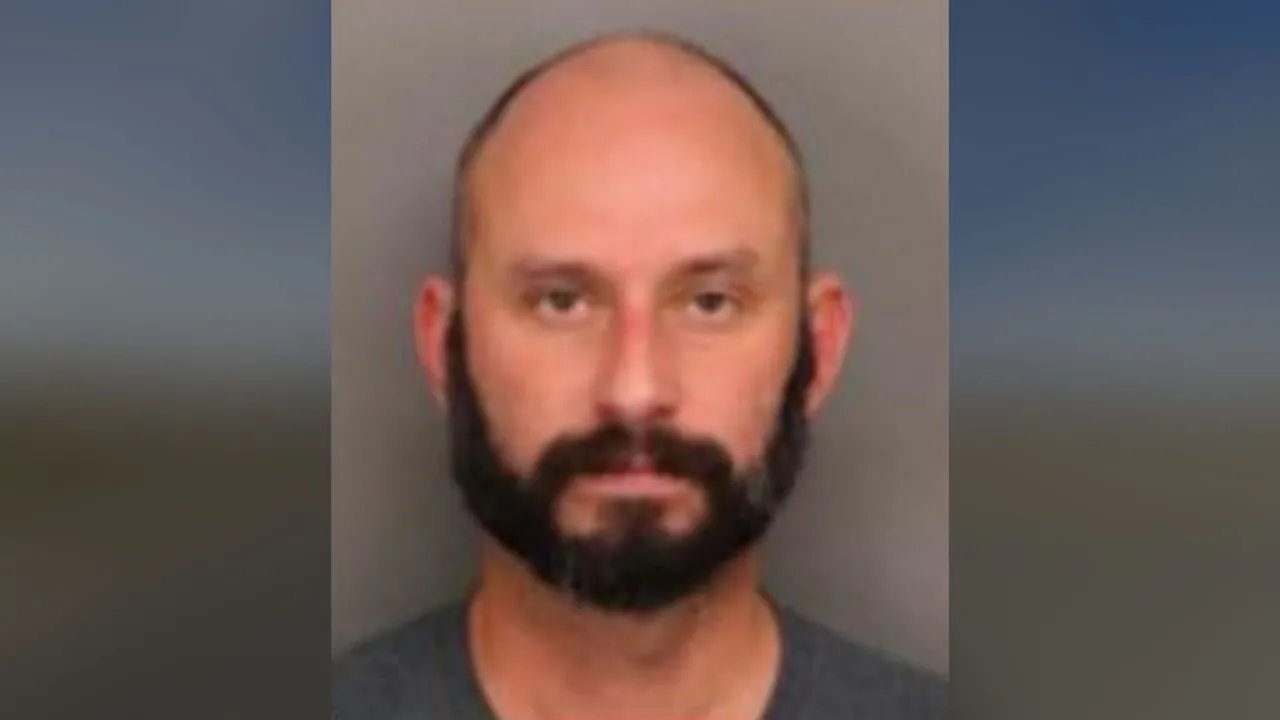
ONTARIO, Calif. — A Southern California businessman is facing serious criminal charges after investigators discovered a clandestine network of hidden cameras operating inside his place of employment. The Ontario Police Department confirmed the arrest of Bryce Neigh, who allegedly utilized sophisticated surveillance technology to record victims without their consent in private restroom facilities.
The disturbing discovery has sent shockwaves through the local business community, raising critical questions about the intersection of privacy, physical security, and the evolving role of surveillance technology in modern workplaces.
The Technology Behind the Breach
While traditional hidden camera cases often relied on rudimentary pinhole lenses, modern investigations are increasingly complicated by the proliferation of smart home devices and AI-enhanced monitoring equipment. In this instance, authorities discovered that the suspect had allegedly integrated cameras into common household and office objects, allowing them to blend into the environment seamlessly.
Tech industry analysts note that the democratization of high-definition, internet-connected cameras has made it easier for bad actors to weaponize surveillance equipment. Many modern devices now feature cloud integration, motion-activated recording, and AI-driven object detection—features originally designed for home security that are now being misused to violate individual privacy. As these devices become smaller and more affordable, law enforcement agencies are finding it increasingly difficult to scan for and identify illicit hardware during routine safety inspections.
Data Privacy and the Role of Tech Platforms
The arrest also underscores a growing trend in how digital evidence is handled in the tech era. Once police seize recording equipment, investigators frequently lean on cloud-based ecosystems—such as Google Photos, Google Drive, or specialized third-party storage services—to catalog the digital trail of a suspect.
Google and other major tech corporations have recently implemented stricter policies regarding “non-consensual intimate imagery” (NCII). These policies utilize advanced AI models to identify and proactively flag or block the uploading of illegal content to their servers. As law enforcement continues to track how perpetrators store and share stolen footage, the cooperation between private tech companies and local authorities has become a cornerstone of modern criminal investigations. In cases involving digital surveillance, AI algorithms play a pivotal role in sorting through terabytes of data to help detectives build a comprehensive timeline of the suspect’s activities.
Protecting Privacy in a Hyper-Connected World
The incident in Ontario serves as a sobering reminder of the need for heightened vigilance in public and commercial spaces. As digital security experts point out, the rise of the “Internet of Things” (IoT) has expanded the threat landscape, moving beyond simple cameras to include voice-activated microphones and sensors that can be manipulated for illicit gain.
For businesses and consumers alike, the focus is shifting toward “privacy-by-design.” Tech developers are under increasing pressure to include physical privacy shutters on lenses and visible LED indicators that cannot be tampered with. Meanwhile, the legal system is struggling to keep pace with these advancements. Privacy advocates are pushing for more robust legislation that would penalize the sale of disguised recording devices and mandate that commercial property owners perform regular, third-party “sweeps” to ensure that hidden tech is not being used to compromise the safety of employees or customers.
As the Ontario Police Department continues its forensic analysis of the seized devices, the case against Neigh remains a focal point for broader conversations regarding the misuse of consumer tech. The investigation is ongoing, and authorities are encouraging anyone who may have visited the business and suspects they were victimized to contact the Ontario Police Department’s investigations unit immediately.
Disclaimer: This content is auto-generated for informational purposes only.
Source: Read Original News