








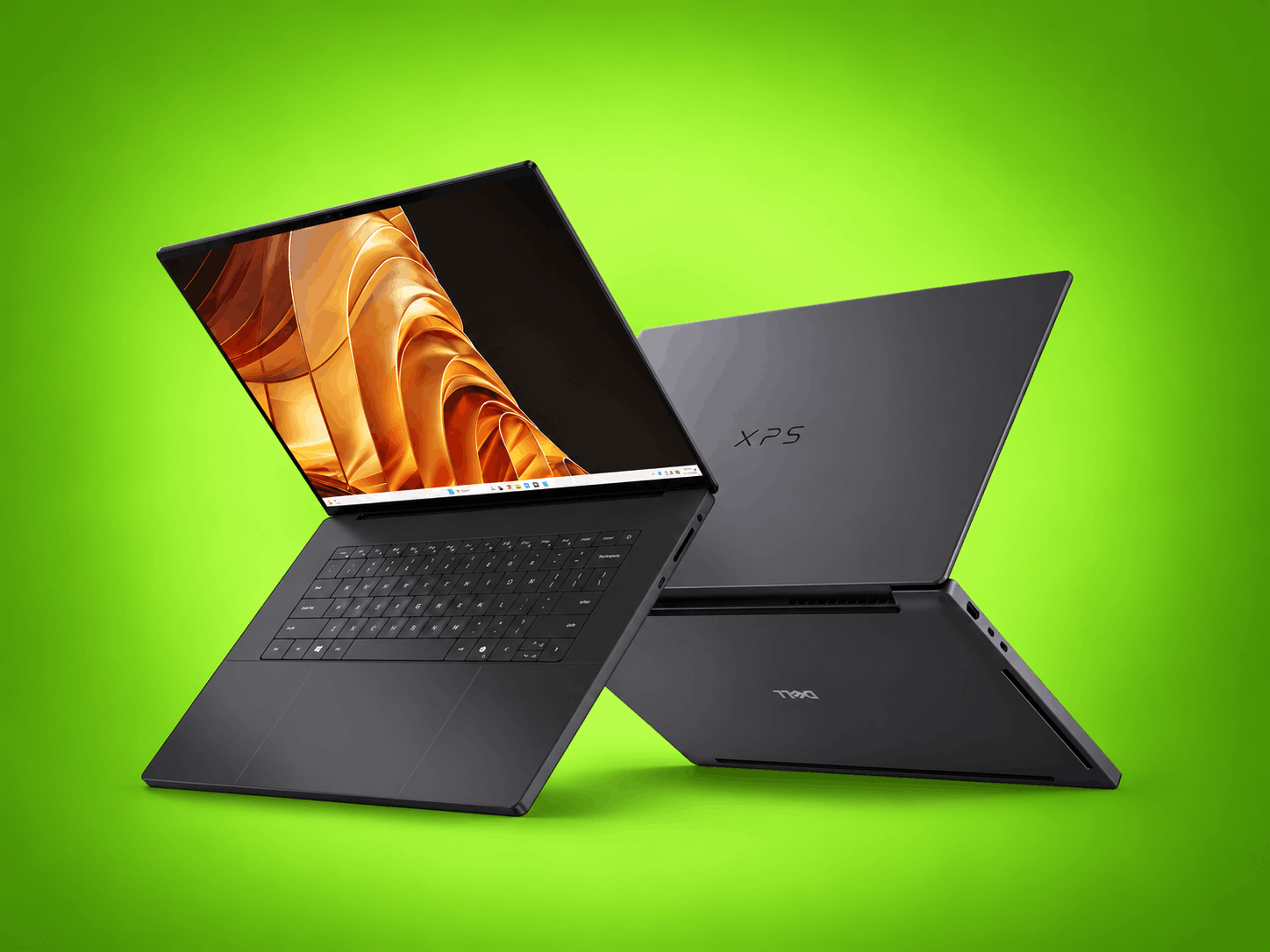
Dell has officially launched its highly anticipated XPS 16 Creator Edition, a high-performance laptop designed to integrate seamlessly into professional creative workflows and local artificial intelligence tasks. This release marks a significant milestone for the company, as it represents the first XPS device to utilize Nvidia’s advanced RTX Spark platform. By combining robust processing architecture with a high-fidelity display, Dell intends to position this machine as a central tool for demanding digital content creation.
The Nvidia RTX Spark Advantage
The core of the XPS 16 Creator Edition is the Nvidia N1X chip. This processor, which sits at the heart of the RTX Spark platform, features an 18-core CPU configuration paired with 5,120 GPU cores. The platform is designed to handle intensive parallel processing tasks that are common in modern creative software, such as real-time 3D rendering, complex video editing, and AI-driven image processing.
A defining feature of the RTX Spark architecture is its implementation of a unified memory system. By allowing both the CPU and the GPU to access the same pool of 32 GB of LPDDR5X memory, the system reduces latency and overhead typically associated with transferring data between separate memory banks. This architecture allows the laptop to manage large datasets more efficiently, providing a tangible performance boost in workflows that require heavy hardware acceleration. While the current model features 32 GB of RAM, the underlying platform is capable of scaling to 128 GB of unified memory and up to 20 CPU cores, suggesting a clear roadmap for future high-end configurations.
Display Quality and Visual Fidelity
Recognizing the needs of professional artists, photographers, and video editors, Dell has equipped the XPS 16 with a 16-inch 3.2K Tandem OLED touchscreen. The panel offers a resolution of 3,200 x 2,000 pixels, ensuring sharp detail across large work areas. The screen features a variable refresh rate that peaks at 120 Hz, which provides smooth motion for high-frame-rate video playback and UI navigation.
The display is optimized for color-critical work, meeting the HDR True Black 600 standard to ensure deep blacks and high contrast ratios. It offers full coverage of the DCI-P3 color gamut, a requirement for industry-standard cinema and print workflows. Furthermore, Dell has ensured that the color accuracy remains high, noting a Delta E value below 2 and a Pantone Verified certification. These specifications verify that the visual output on the screen closely matches the actual digital file, minimizing the need for constant recalibration or color shifting during the export process.
Design, Portability, and Connectivity
Despite its high-performance internals, the XPS 16 maintains a portable form factor consistent with the premium nature of the XPS line. The chassis is constructed from CNC-machined aluminum, providing a balance of structural integrity and heat dissipation. The device measures 17.8 mm in thickness and weighs approximately 2.02 kg (4.45 lb), making it a viable machine for professionals who frequently travel between studio, office, and field locations. The aesthetic is completed by a glass touchpad, which offers a smooth, tactile interface.
Connectivity options are extensive, tailored specifically to the needs of creative professionals who rely on external peripherals. The device includes three USB4 ports, which support DisplayPort 2.1 and Power Delivery for both data transfer and charging. Additionally, it features an HDMI 2.1b port for external monitor connectivity and a full-size SDXC v7.1 card reader, which is essential for photographers and filmmakers offloading media from professional cameras. The inclusion of Wi-Fi 7 and Bluetooth 6.0 ensures that the system is equipped for the next generation of wireless networking standards.
Market Positioning and Competition
The arrival of the XPS 16 Creator Edition follows the release of several other high-performance machines built on the RTX Spark platform, including the Asus ProArt P16 and the MSI Prestige N16 Flip AI. In the competitive landscape, the XPS 16 is differentiated by its specific focus on build quality and the integration of Dell’s proprietary thermal and power management software.
However, the market is becoming increasingly crowded. Comparisons have already been drawn between the XPS 16 and the Asus ProArt P16. While the ProArt P16 offers a higher-resolution 3,840 x 2,400 display with significantly higher peak HDR brightness, the XPS 16 is designed to compete on its cohesive integration of hardware and software within the Windows ecosystem. The price point for the XPS 16 is set at $3,799.99 for the current configuration, which represents a premium investment compared to other models in the segment.
Availability and Future Outlook
Dell has confirmed that the XPS 16 Creator Edition is now open for pre-order through major retailers such as Best Buy, with the first shipping units expected to arrive on October 16. The company has indicated that the laptop will eventually be available directly via its own storefront. As of the initial launch, the baseline configuration includes 32 GB of memory and a 512 GB PCIe SSD.
The launch of the XPS 16 signals a shift in how manufacturers are viewing local AI and creative processing. By leveraging the unified architecture of the RTX Spark platform, Dell is providing users with a desktop-class experience in a portable format. As developers continue to optimize creative applications for the N1X chip, it is expected that the value of this hardware will increase, particularly as users begin to utilize the full potential of the GPU cores for large-scale generative AI and high-fidelity asset creation.
Disclaimer: This content is auto-generated for informational purposes only.
Source: Read Original News