








Trump Administration Launches ‘Operation Economic Outcast’: A Major Blow to Iran’s Global Trade
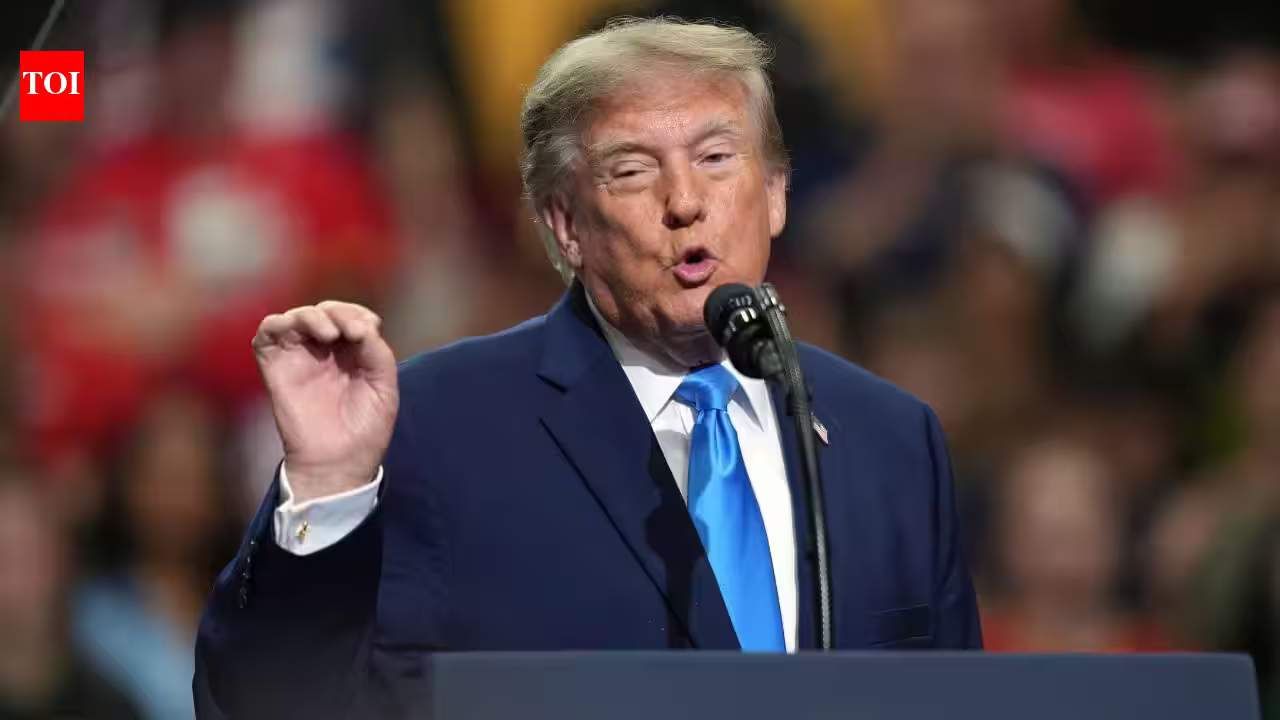
In an aggressive escalation of the ongoing US-Iran conflict, US Treasury Secretary Scott Bessent has announced the launch of “Operation Economic Outcast.” The sweeping new strategy aims to systematically dismantle Iran’s revenue streams, effectively forcing the international community to choose between doing business with the United States or the Iranian regime.
The Strategy: A ‘Zero-Leakage’ Approach
Secretary Bessent revealed that President Donald Trump is currently engaging in direct outreach to world leaders, demanding an immediate halt to all economic interactions with Tehran. The US Treasury has already blacklisted nearly 60 entities, individuals, and vessels as part of this crackdown.
“Iran now faces a very clear choice,” Bessent stated during a press conference. “Complete global isolation and a subsistence economy, or a path back to normalcy. We are enforcing a zero-leakage approach. There will be no minimal breathing space for the regime to rebuild its capacity to inflict terror.”
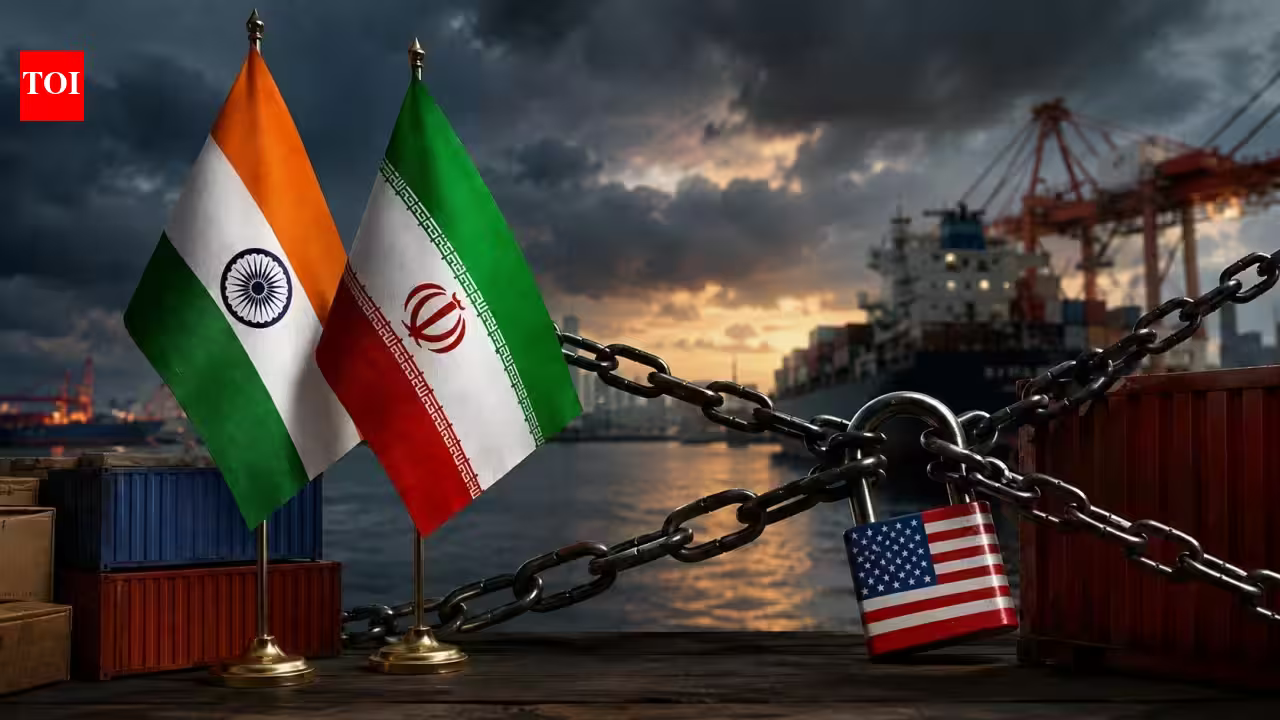
The US is specifically targeting “enablers”—nations and firms that facilitate the sale of Iranian petroleum, use exchange houses to move Iranian finances, or allow the illicit use of their banking systems. While Bessent did not name specific countries, he issued a stern warning: “An economic engagement of any kind with this murderous regime will expose those responsible to the full reach of American power.”
Impact on India: Inflationary Risks and Trade Disruptions
For India, the implications of these sanctions are multifaceted. While India has largely ceased direct oil imports from Iran, the indirect impact on the global energy market could be severe.
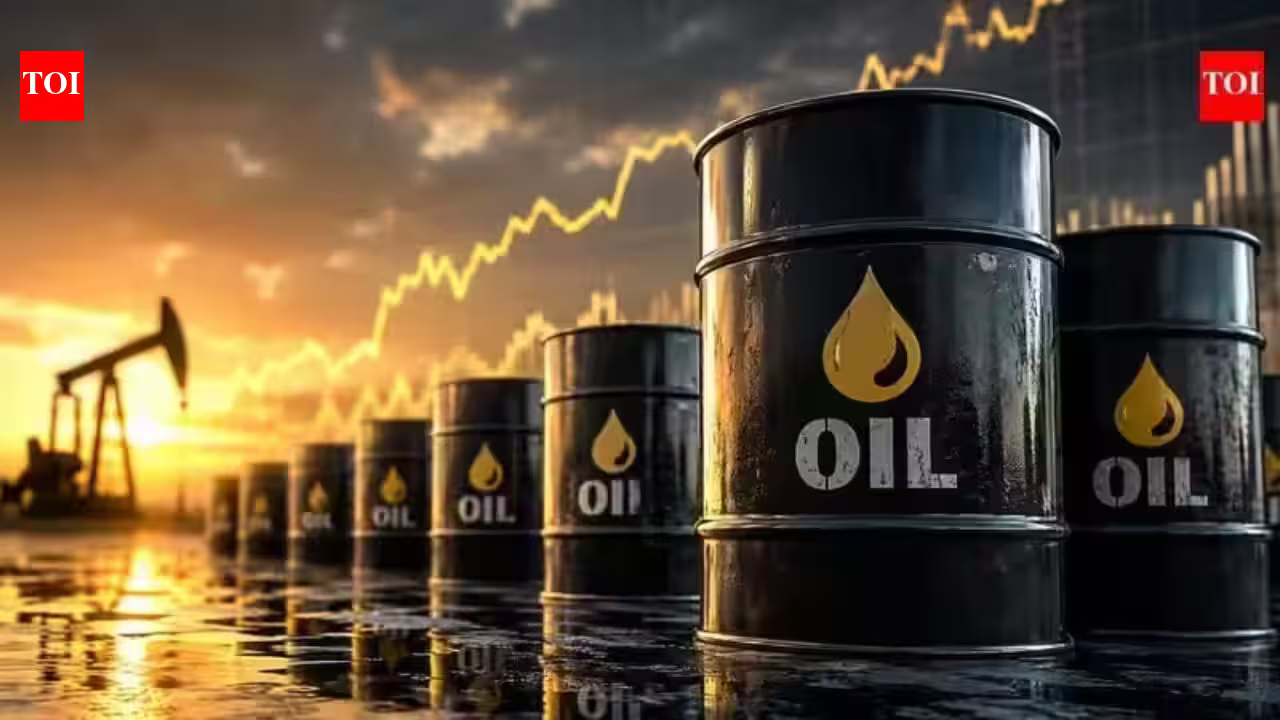
Industry experts, including Ajay Srivastava, founder of the Global Trade Research Initiative (GTRI), note that the primary danger to India lies in rising oil prices. If the US successfully pressure major buyers like China to reduce their reliance on Iranian crude, the resulting global supply crunch would likely drive up prices, putting upward pressure on India’s import bill.
Furthermore, trade in non-oil commodities is under threat. Indian exports to Iran—which include rice, tea, medicines, and spices—have already dwindled from $3.5 billion in FY2019 to $1.2 billion in FY2026. Much of this remaining trade has historically been routed through the United Arab Emirates. However, the UAE’s recent decision to suspend all trade and financial transactions with Iran has created a logistical bottleneck for Indian exporters.
Challenges for Indian Exporters
The disruption is hitting the agricultural sector particularly hard. With the UAE corridor closed, the Indian rice and tea industries are scrambling to find alternative payment and shipping mechanisms.
“Any prolonged disruption in this corridor will have a much greater bearing on the basmati industry, especially on millers and exporters in northern India,” said Dev Garg, vice president of the Indian Rice Exporters Federation.
As the US intensifies its Operation Economic Outcast, the global geopolitical landscape remains volatile. For nations like India, the challenge lies in balancing energy security and trade interests against the looming threat of US secondary sanctions, all while navigating a rapidly shifting international sanctions regime.