








Tensions Rise as Pakistan’s Army Chief Meets Iranian Officials Following Direct Call with Donald Trump
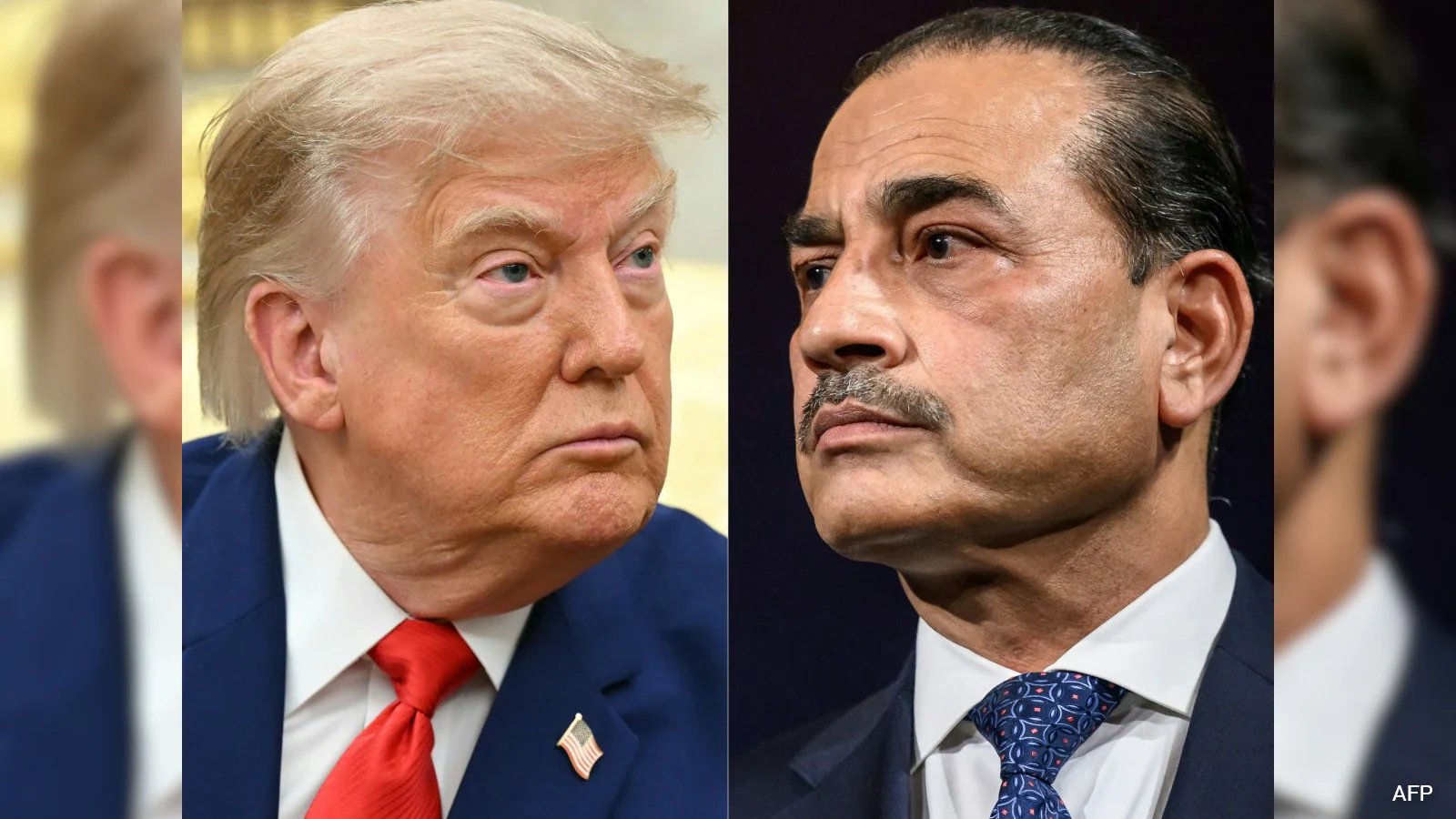
TEHRAN – Amidst a backdrop of escalating regional friction, Pakistan’s Army Chief, General Asim Munir, arrived in Tehran on Monday for high-level diplomatic discussions. The visit follows reports of a significant behind-the-scenes conversation between General Munir and US President Donald Trump, underscoring Pakistan’s delicate role in navigating Western-Iranian relations.
According to a source familiar with the matter, US President Donald Trump spoke with Pakistan Army Chief Asim Munir last week. The dialogue reportedly centered on Iran, placing General Munir at the heart of an complex geopolitical shuttle diplomacy effort.
Allegations of US Breach
Upon his arrival in Tehran, General Munir held meetings with prominent Iranian officials, including Parliamentary Speaker Mohammad Bagher Ghalibaf and Major General Mohsen Rezaei, the secretary of Iran’s Supreme National Security Council.
The discussions were dominated by sharp criticism from Iranian leadership regarding the status of a 14-point Memorandum of Understanding (MoU) signed in June. The agreement, intended to de-escalate hostilities across West Asia and establish technical frameworks for managing the Strait of Hormuz and Iran’s nuclear program, has reportedly stalled.
“The commitments of the parties in the Memorandum of Understanding are clear, and it was America that, by breaching its commitments, prevented the establishment of stability in the region,” Ghalibaf stated in a telegram post following his meeting with Munir.
Major General Rezaei echoed these sentiments, asserting that the United States must “change its behaviour” and take concrete, practical steps to honor the terms of the memorandum. Rezaei emphasized that Iran remains committed to the spirit of the agreement but is unmoved by external pressures.
Pakistan’s Balancing Act
For his part, General Munir reportedly emphasized his dedication to restoring regional stability. As Pakistan serves as a key intermediary, the Army Chief’s visit to Tehran—immediately following his contact with the incoming US administration—highlights Islamabad’s attempt to maintain open channels of communication with both Washington and Tehran.
The current diplomatic friction comes at a volatile time for the Middle East. With the US insisting on regional security and Iran demanding strict adherence to existing agreements, General Munir finds himself in a difficult position as a mediator between two antagonistic powers.
While the Iranian side continues to highlight what they describe as “numerous instances” of American breaches of faith, the international community remains watchful of whether these diplomatic backchannels can prevent further escalation or if the divide over the 14-point MoU remains too wide to bridge.