






Apple Poised to Increase iPhone Prices as September Launch Approaches
When Apple quietly rolled out a series of price hikes across its broader product catalog earlier this summer, one notable exception remained: the iPhone. However, industry insiders suggest that the tech giant was merely biding its time, waiting for the high-profile launch of the upcoming iPhone 18 lineup to adjust its pricing strategy.
According to Bloomberg’s seasoned Apple analyst Mark Gurman, the company is actively preparing to hike prices for its flagship smartphone series. While the exact figures remain subject to internal deliberation, the prospect of a price increase has become all but certain as the company nears its annual September showcase.
The Cost of Innovation and Supply
The move to increase prices comes as little surprise to market observers who have tracked the ongoing global memory shortage. As manufacturing costs for semiconductors and essential components surge, the broader tech landscape has already seen a consistent wave of price adjustments across both high-end laptops and mobile devices.
Apple’s pricing strategy shift has already been demonstrated in other sectors of its business. Earlier this year, the company increased the cost of the iPad Air by $150, the MacBook Air by $200, and the Mac Studio by a staggering $500. Analysts suggest that Apple’s confidence in raising prices stems from the strength of the iOS ecosystem; because users are deeply integrated into Apple’s suite of services, the company risks less customer churn than competitors might when initiating price bumps.
Balancing Competitive Pressures
Despite its market position, Apple must remain mindful of the competitive landscape. Rivals such as Samsung and Google have navigated the current market climate by raising prices on their flagship Galaxy and Pixel devices by approximately $100—a threshold that may serve as a psychological benchmark for Apple.
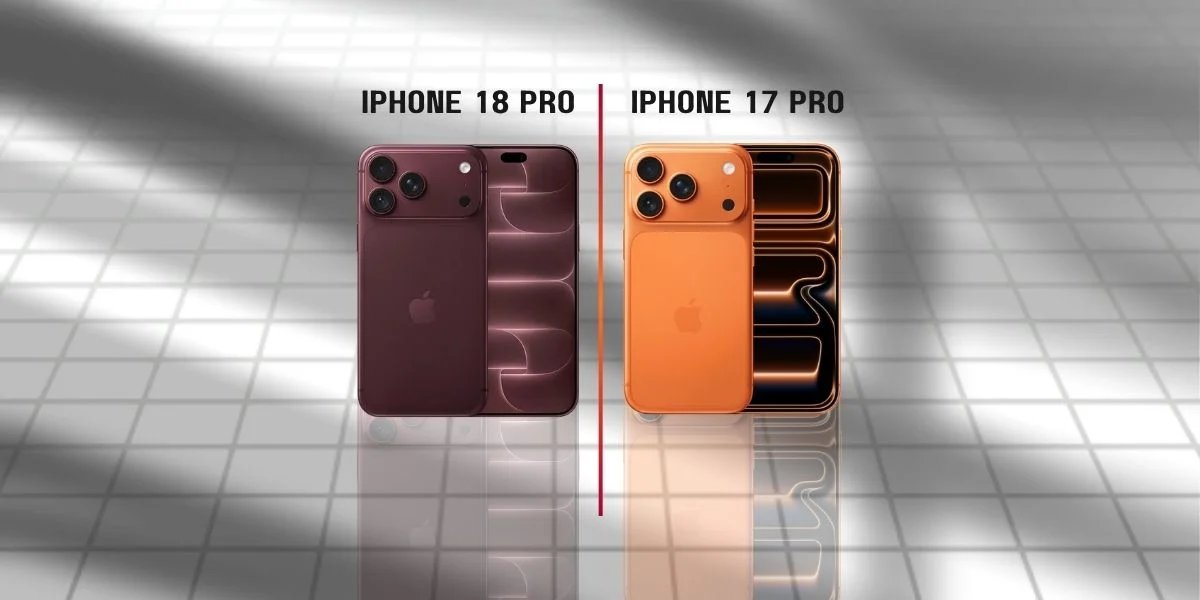
If Apple opts to align its strategy with the industry average, consumers could see the base model iPhone 18 Pro start at $1,199. Such Apple iPhone price hikes would align with recent trends while testing the limits of consumer loyalty.
Leveraging the Upgrade Program
A key factor in Apple’s decision-making process is the growing popularity of its “Apple Upgrade” leasing model. By offering a recurring monthly payment plan that allows users to swap their devices for the latest models annually, Apple effectively insulates its customer base from the “sticker shock” of a high retail price.
For many users who might otherwise be priced out by a $100 or $200 increase, the Upgrade program provides a more digestible path to owning the latest hardware. This financial structure allows Apple to capture more revenue through long-term service relationships rather than relying solely on one-time hardware purchases.
As the industry looks toward the highly anticipated September event, all eyes are on Cupertino. Whether the company unveils the rumored foldable “iPhone Ultra” or simply updates its classic form factor, one reality is becoming increasingly clear: the era of static iPhone pricing is coming to an end.