








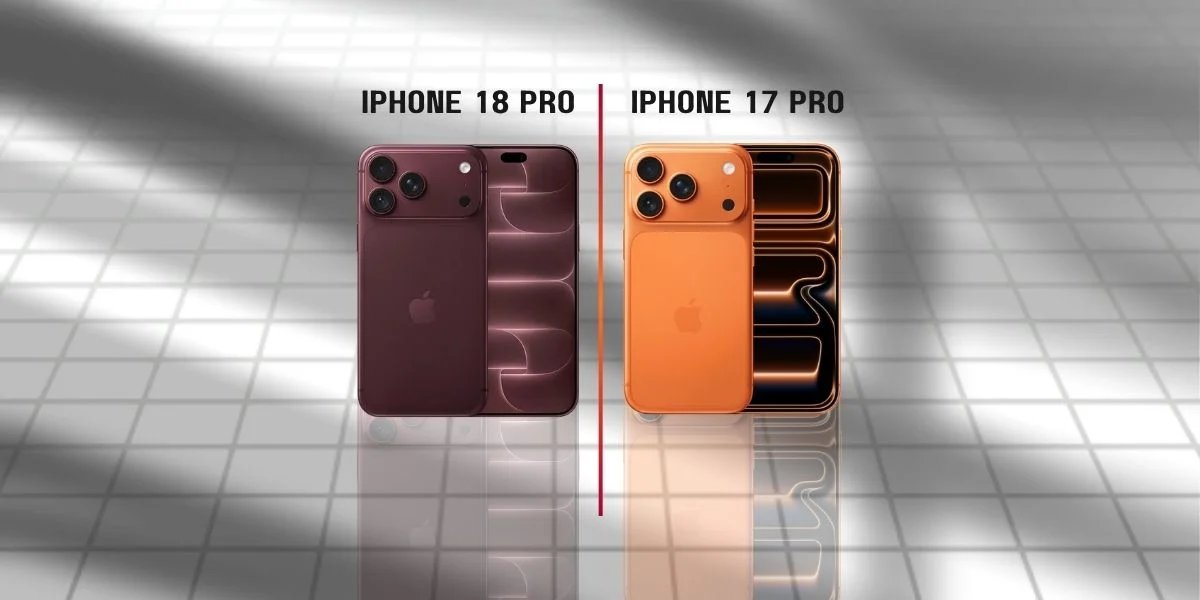
The release of the iPhone 18 Pro has sparked significant conversation regarding the value of incremental upgrades in the smartphone market. Positioned as a refinement of the preceding design language, the device introduces several critical hardware shifts, most notably a move toward a physically adjustable aperture system and a more robust thermal management architecture. With a starting price of $1,199, the device reflects a $100 increase over the previous generation, prompting a closer look at whether these technical adjustments provide meaningful utility for the modern user.
Advanced Imaging Capabilities
The most significant change to the iPhone 18 Pro is the integration of a 48MP Fusion Main camera equipped with a mechanical aperture system. For several years, iPhone users have relied on fixed-aperture lenses that utilized software processing to simulate depth and light control. The iPhone 18 Pro deviates from this by employing six laser-cut blades that mechanically transition between f/1.48 and f/4.
The f/1.48 setting provides a substantial increase in light intake—roughly 45% more surface area compared to the previous f/1.78 lens. This is particularly advantageous for low-light photography, where hardware-level light gathering remains superior to computational enhancement. Conversely, stopping down to f/4 allows for greater depth of field, which is useful when capturing group shots or complex landscapes where background detail is required. The inclusion of granular manual controls for shutter speed, white balance, and aperture marks a shift toward satisfying professional workflows directly within the native camera application.
Computational Power and Thermal Management
Under the chassis, the device features the A20 Pro chip, manufactured on a 2nm process. This transition facilitates a notable jump in efficiency and raw power. While the CPU retains a six-core architecture, the seven-core GPU delivers up to a 40% increase in performance over the A19 Pro. Perhaps more vital for future-proofing is the memory bandwidth increase of 50%, which ensures that high-resolution data—crucial for intensive video rendering and complex AI processing—moves rapidly through the system.
The thermal architecture has also been overhauled. By attaching an expanded vapor chamber directly to the silicon, Apple has increased the cooling surface area by a factor of three. This implementation is designed to mitigate thermal throttling during sustained, high-intensity workloads such as 4K video exporting or long-duration gaming. For users who prioritize stability during heavy tasks, this improvement in heat dissipation is a significant functional benefit.
Evolution of AI and Neural Processing
The A20 Pro chip is defined by its dual 16-core Neural Engines, effectively doubling the silicon available for on-device AI operations. This hardware investment is specifically engineered to handle the next iteration of Apple Intelligence and local Siri functions. By offloading complex machine learning tasks to the Neural Engine rather than relying on cloud-based processing, the device provides faster response times and improved privacy for data-sensitive operations. While iOS 27 provides many of these features across various devices, the iPhone 18 Pro has the distinct architectural headroom to run these processes locally without the latency often associated with remote server requests.
Battery Efficiency and Connectivity Standards
The iPhone 18 Pro improves upon the power efficiency of its predecessor, citing up to 36 hours of video playback. This gain is achieved through a combination of the power-efficient 2nm architecture of the A20 Pro and the integration of the new C2 modem. The C2 modem is notable for a 15% reduction in energy consumption compared to the prior C1X iteration, while simultaneously maintaining robust mmWave 5G connectivity.
Connectivity is further bolstered by the N1 wireless chip, which introduces support for Wi-Fi 7 and Bluetooth 6. These standards offer lower latency and higher throughput, preparing the device for the next wave of wireless networking infrastructure. Additionally, the inclusion of Thread support confirms Apple’s commitment to expanding its role in smart home ecosystem control, allowing the phone to function as a more stable hub for connected home devices.
Structural Refinements and Design Adjustments
Externally, the iPhone 18 Pro maintains the established 6.3-inch display format with 120Hz ProMotion and 3,000 nits of peak brightness. However, small refinements have been made to the internal layout. The Dynamic Island has been reduced in size, and the Face ID array has been relocated to the top left under the display, allowing for cleaner aesthetics. The weight of the device has shifted slightly to 211 grams, and the availability of a 2TB storage configuration addresses the needs of power users and professional content creators who demand significant local capacity for high-bitrate media.
Strategic Value Assessment
Determining if the $1,199 entry price is justified requires assessing one’s current device state. For users operating on an iPhone 17 Pro, the upgrade is primarily centered on camera flexibility and thermal endurance. The screen, size, and general ergonomic feel remain largely familiar. However, for those coming from an iPhone 15 Pro or earlier, the compound effect of the new 2nm chip, the mechanical aperture, and the advanced cooling system provides a substantial leap in capability.
The iPhone 18 Pro does not reinvent the product category, but it refines the hardware to prioritize longevity. By focusing on thermal efficiency and physical optical adjustments, Apple has provided a device that is better suited to sustain high-performance demands over a four-to-five-year ownership cycle. Prospective buyers should weigh these technical improvements against the potential for price reductions on previous-generation models, ensuring the specific performance gains align with their personal use cases.
Disclaimer: This content is auto-generated for informational purposes only.
Source: Read Original News