







The Emergence of HomeView: Apple’s New Smart Home Hub
As the smart home sector continues to mature, Apple is positioning itself to centralize the domestic ecosystem with the introduction of HomeView. This dedicated smart home hub represents a strategic pivot for the company, moving beyond the peripheral role of the HomePod toward a purpose-built device with a touch-enabled interface. Powered by the A18 silicon—the same high-performance chip found in current-generation iPhones—the HomeView is designed to handle complex local processing, including advanced Siri AI tasks, without relying solely on cloud-based computation.
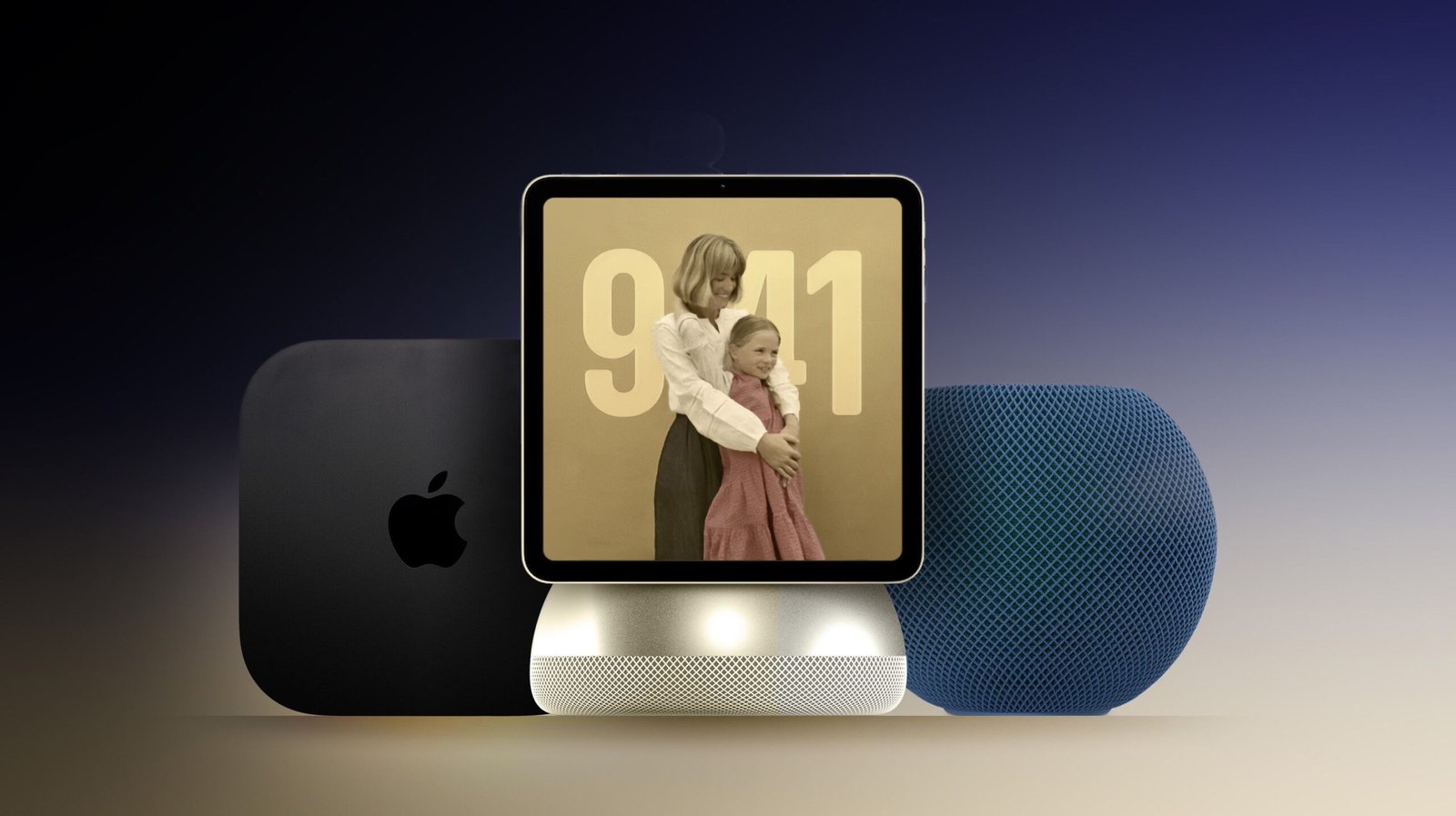
The hardware architecture of the HomeView is modular by design. Consumers will be able to choose between a tabletop version, which features a premium metal base for improved acoustic resonance, and a wall-mounted variant that sits flush against a standard wall plate. The device will be available in multiple color finishes, including Gray, Silver, Starlight, and Rose for the tabletop model, while the wall-mounted version will provide a more minimalist aesthetic in Gray and Silver. By integrating a display into the home hub, Apple aims to provide a unified dashboard for temperature control, security feed monitoring, and lighting management, effectively bridging the gap between passive smart speakers and interactive home controllers.
Internal Capabilities and Hardware Specifications
Under the hood, the choice of the A18 chip paired with 8GB of RAM indicates that Apple intends for the HomeView to be a long-term fixture in the home. By utilizing a mobile-grade processor, the device ensures that Siri AI interactions are snappy and responsive. This onboard processing power is critical for privacy, as many voice commands and automation triggers can be handled directly on the device rather than sent to external servers.
While the HomeView will ship with a core selection of Apple-developed applications designed specifically for home management, reports suggest the absence of a traditional App Store for third-party software. This curated approach limits software bloat and maintains a focus on core home automation, ensuring that the device remains dedicated to its primary function as a centralized hub. The tabletop unit is also expected to deliver superior audio fidelity compared to the current HomePod mini, making it a functional speaker for media playback in addition to its utility as a control interface.
Expanding the Home Ecosystem with Third-Party Collaboration
Beyond the hardware hub itself, Apple is launching the “Apple Home Collection,” a suite of smart home peripherals developed in partnership with established industry players like LG and Schneider Electric. This ecosystem approach addresses a common pain point in the smart home market: compatibility and seamless integration. The collection includes a comprehensive array of security and utility devices, such as smart doorbells, deadbolt locks, thermostats, temperature sensors, and high-definition security cameras equipped with floodlight functionality.
By standardizing these accessories through a direct partnership program, Apple is ensuring that the configuration process is streamlined for the end user. Although these accessories represent a significant expansion of the HomeKit ecosystem, some components, particularly those produced by LG, are slated for release later in the year, suggesting a phased rollout for the full home suite. This partnership model reflects a shift toward a more cohesive, “out-of-the-box” setup experience that minimizes the configuration hurdles often associated with multi-brand smart home deployments.
Refreshed HomePod Mini and Next-Generation Apple TV 4K
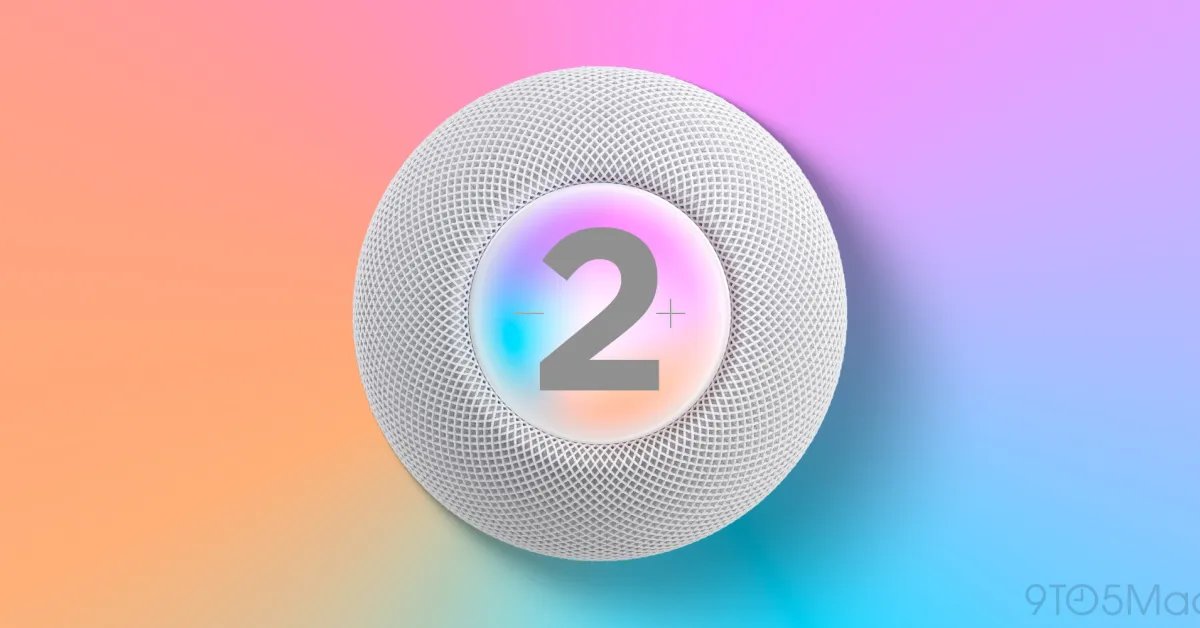
Complementing the HomeView announcement are updates to two of Apple’s most successful living room devices. The new HomePod mini is receiving a substantial internal upgrade, transitioning from the older S5 chip to the more modern S10 silicon, previously utilized in the Apple Watch Series 10. This transition should provide increased efficiency and better performance for background automation tasks and Siri processing. To appeal to a broader range of interior styles, the refreshed speaker will arrive in a palette of green, pink, blue, white, and midnight.
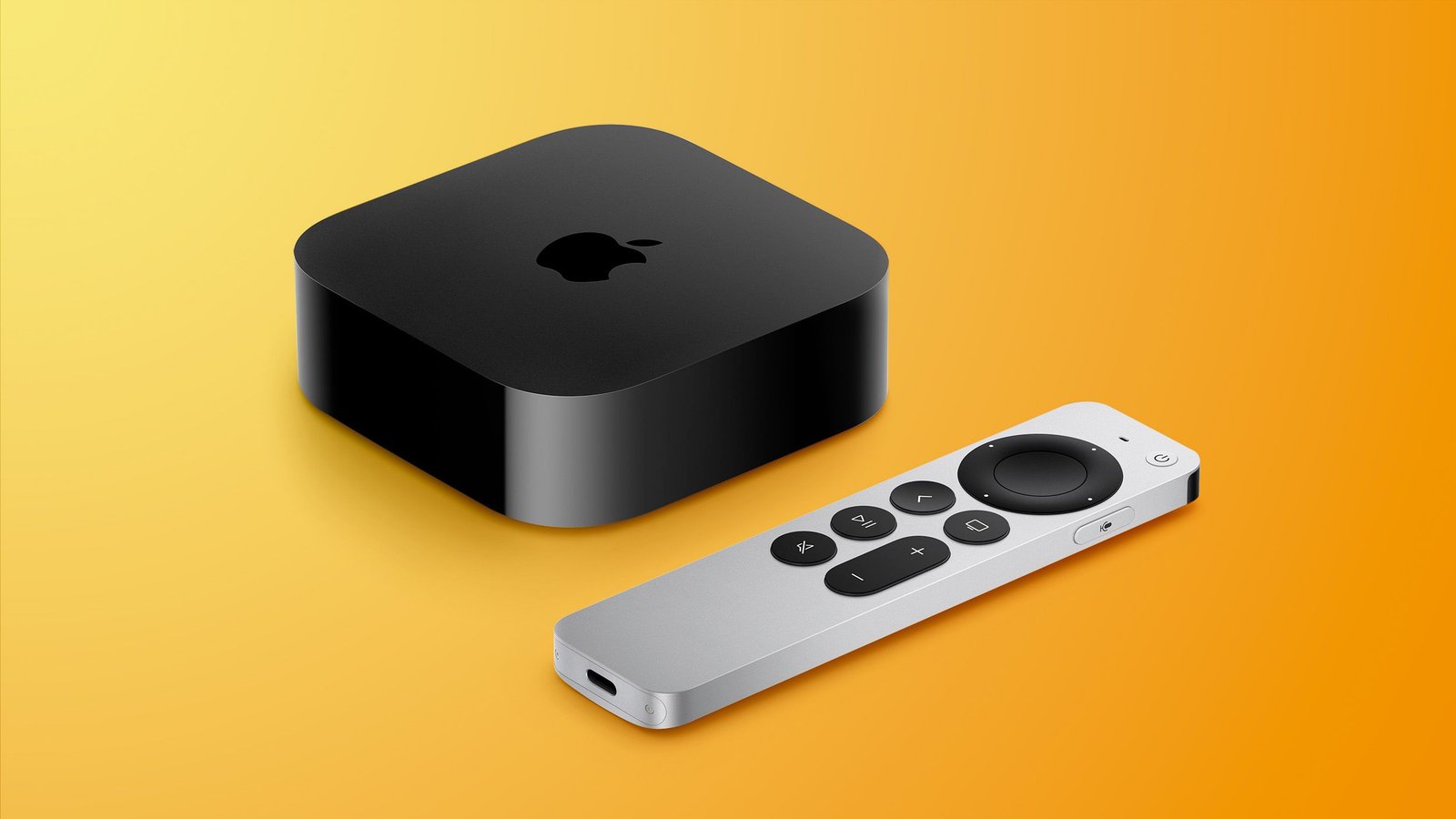
Simultaneously, the Apple TV 4K is undergoing a significant refresh, now equipped with the A19 chip and 8GB of RAM. This upgrade ensures that the Apple TV remains the flagship device for both streaming and gaming within the Apple ecosystem. Perhaps most significantly, the new hardware may incorporate built-in microphones to facilitate more fluid Siri AI interactions directly from the device. There is also an anticipated update to the Siri Remote, which is expected to feature an integrated speaker, addressing a frequent consumer request for a way to easily locate the remote if it is misplaced.
Market Strategy and Release Timeline
Apple’s strategy with the October announcement is clearly focused on reasserting its dominance in the home automation market. By aligning the releases of the HomeView, the updated HomePod mini, and the A19-powered Apple TV 4K, the company is providing a clear roadmap for users looking to consolidate their smart home control under one hardware umbrella.
While the formal unveiling is scheduled for October 13, the hardware release will follow a staggered schedule. The Apple TV 4K and the new HomePod mini are expected to reach retail shelves by October 30, while the HomeView hub is projected for a broader launch in mid-November. This delay for the HomeView allows for final software refinements, ensuring that the integration with the new “Apple Home Collection” accessories is fully functional upon release. For consumers, this represents a significant shift toward a more robust, performance-oriented smart home environment where centralized AI and high-end silicon define the user experience.
Disclaimer: This content is auto-generated for informational purposes only.
Source: Read Original News