







Performance Leap: The Integration of the A19 Silicon
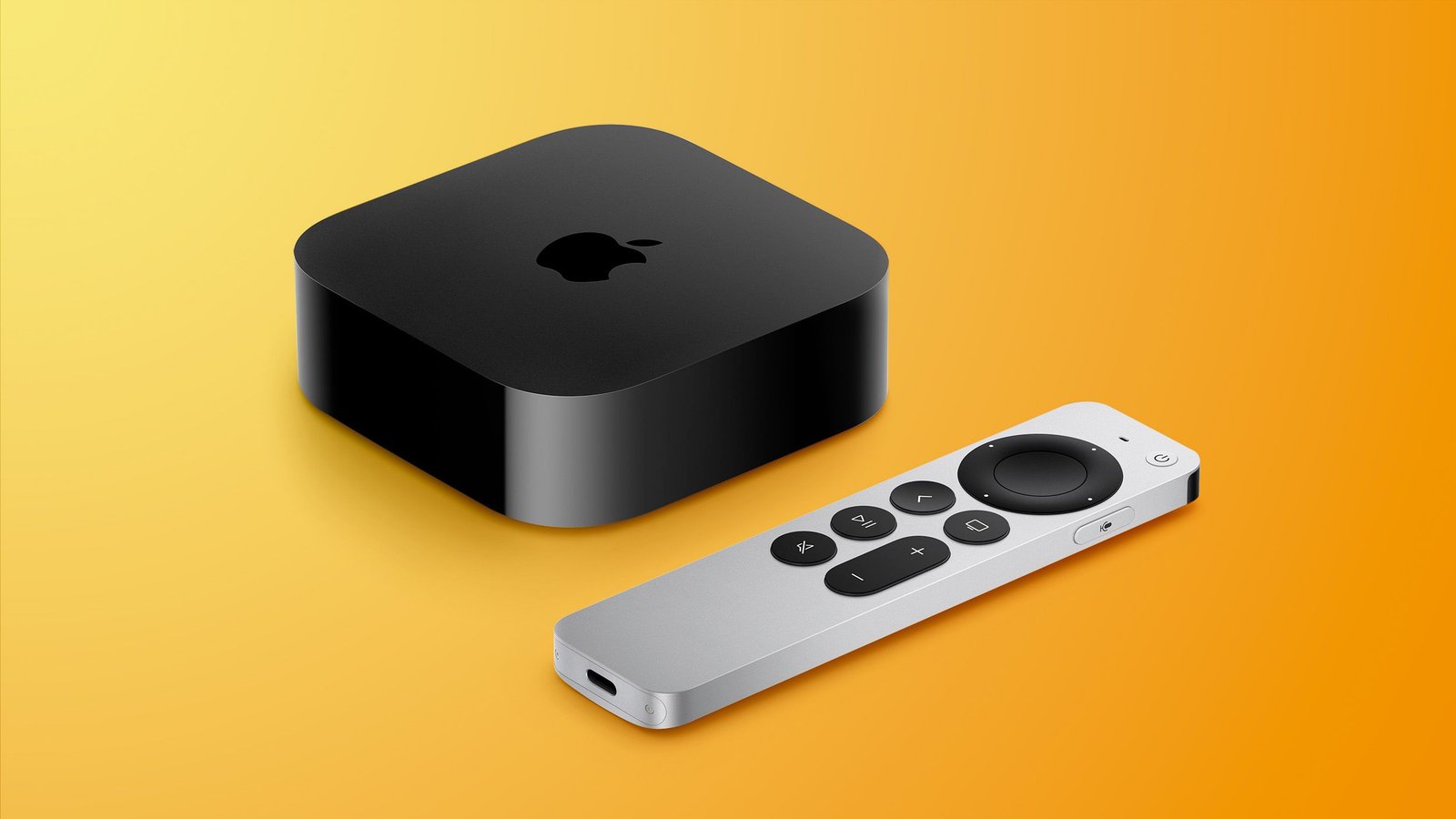
The upcoming iteration of the Apple TV 4K marks a significant hardware transition by moving from the A15 Bionic chip, which has powered the streaming box since 2022, to the more advanced A19 processor. This generational leap in silicon brings substantial architectural improvements, shifting the device from a reliable media player into a more robust platform for high-performance interactive experiences.
The A19 chip utilizes a more efficient manufacturing process, allowing for higher clock speeds and superior thermal management. For users, this translates to faster application load times, smoother transitions throughout the tvOS interface, and better handling of high-bitrate video streams. Beyond raw speed, the updated silicon provides improved neural engine capabilities. This is particularly relevant for the device’s machine learning tasks, such as background noise reduction for audio, intelligent content recommendations, and advanced image upscaling. By adopting the A19, Apple is ensuring that the hardware remains relevant for several years, capable of handling future software updates that require more significant computational overhead.
The Evolved Siri Remote and Lost Device Tracking
One of the most persistent frustrations for users of modern streaming devices is the tendency for slim remotes to disappear into the crevices of furniture. Apple appears to be addressing this through a physical hardware update to the Siri Remote. According to recent reports, the company has tested a new version of the remote that integrates a built-in speaker. This hardware change enables a proximity-based audio feature, likely utilizing the Precision Finding technology found in AirTags.
When a user cannot locate their remote, they will theoretically be able to trigger a sound signal through their iPhone or via Siri, allowing them to track the device’s location by ear. This represents a shift in design philosophy, moving away from purely aesthetic minimalism toward a more pragmatic user-centric approach. While the exact implementation of the speaker remains subject to final production decisions, the inclusion of such a feature would represent a massive improvement in daily convenience, eliminating the need for third-party covers or adhesive tracking tags.
New Voice Interaction Paradigms
Beyond the remote control, the hardware architecture of the new Apple TV 4K may facilitate a change in how users interact with their smart home environment. Apple has reportedly tested the integration of built-in microphones directly into the Apple TV chassis. Traditionally, Siri commands on the Apple TV were exclusively routed through the microphone located on the Siri Remote or through a paired HomePod device.
Integrating microphones directly into the set-top box would allow for hands-free control of the television, content playback, and smart home appliances. This change would position the Apple TV as a centralized hub for voice interaction, potentially reducing the necessity of having a separate smart speaker in the room. This shift could have significant implications for users who rely on accessibility features or those who frequently use voice commands to manage media and lighting without reaching for a physical controller. The potential for “always-on” voice control raises questions about privacy, which Apple will likely address through physical hardware switches or dedicated on-device processing to ensure that voice data remains secure and localized.
Strategic Positioning Within the Apple Ecosystem
The release of the new Apple TV 4K is scheduled to coincide with an update to the HomePod mini, suggesting a broader strategy to solidify the role of these devices as the pillars of Apple’s smart home vision. The simultaneous launch of these products at the upcoming “Welcome home” event highlights the company’s effort to create a more cohesive ecosystem. By standardizing the silicon performance across the Apple TV line and enhancing the connectivity between home devices, Apple is aiming to provide a unified experience for media consumption, home automation, and cross-device communication.
The Apple TV 4K has long functioned as a bridge between the digital world of streaming services and the physical environment of the living room. By increasing the power of the central processing unit and adding hardware-level convenience features, the company is attempting to maintain its dominance in a competitive market that is increasingly crowded by budget-friendly alternatives.
Market Impact and Future Outlook
As the streaming market matures, the demand for hardware that can handle not just 4K video, but also complex gaming and smart home integration, continues to rise. The transition to the A19 chip suggests that Apple is not merely maintaining its product line, but actively pushing the boundaries of what a consumer media box can do. While the current 2022 model remains highly capable for basic streaming, the 4th generation device targets a demographic that demands longevity and high-performance overhead.
The successful implementation of these features, particularly the audible tracking for the remote and the direct voice-command capability, will likely set a new standard for home entertainment hardware. If these features move from the testing phase into mass production, the new Apple TV 4K will represent a notable step forward in balancing high-end hardware performance with practical solutions for the everyday inconveniences associated with living room technology. As consumers look for devices that simplify their digital lives, the move toward a more intelligent and responsive Apple TV indicates that the company is listening to user feedback while concurrently investing in the next generation of home technology.
Disclaimer: This content is auto-generated for informational purposes only.
Source: Read Original News