







The Paradox of the Indian Smartphone Market: Volume Decline Amid Value Growth
The Indian smartphone market, long celebrated for its sheer volume and rapid pace of adoption, is undergoing a structural transformation. Recent projections from Counterpoint Research indicate that the upcoming festive season is set to experience a 12% decline in total device shipments compared to previous years. However, this contraction in volume does not signal a waning appetite for technology. Instead, the market is witnessing a counter-intuitive expansion in value, with total market revenue expected to climb by 5%. This trend marks a pivotal shift in consumer behavior, moving away from high-frequency, entry-level purchases toward a model dominated by premiumisation, extended replacement cycles, and sophisticated financial engineering.
For years, the Indian market was defined by the mass migration of feature-phone users to budget-friendly smartphones. Today, that pool of first-time buyers is shrinking. As the market reaches a level of maturity, the core engine of industry growth has shifted from market penetration to device replacement. Consumers are now holding onto their devices for longer periods, with the average replacement cycle extending beyond the traditional 18 to 24-month window. This lengthening of the product lifecycle is partly an outcome of hardware saturation, where the incremental improvements in newer models provide less incentive for casual users to upgrade immediately.
Rising Component Costs and the Barrier to Entry
A significant factor influencing current market dynamics is the escalation of hardware and component costs. Global inflationary pressures and supply chain volatility have directly impacted the pricing of semiconductors, memory modules, and displays. As these costs are passed down to the end consumer, the entry-level and mid-range segments have seen a noticeable price creep. This pricing pressure has created a formidable barrier for price-sensitive consumers, many of whom have chosen to defer their purchases rather than compromise on quality.
When the cost of a device rises, the consumer’s decision-making process becomes more deliberate. The discretionary nature of a smartphone upgrade means that unless a device reaches the end of its functional life or offers a substantial technological leap, consumers are content to delay. This behavioral change explains the volume contraction: the entry-level segment, which typically drives bulk shipments during festive periods, is feeling the brunt of these higher price points. Consequently, manufacturers are struggling to find the margins necessary to offer the aggressive discounts that once characterized the Indian festive season.
The Rise of Premiumisation and Financial Engineering
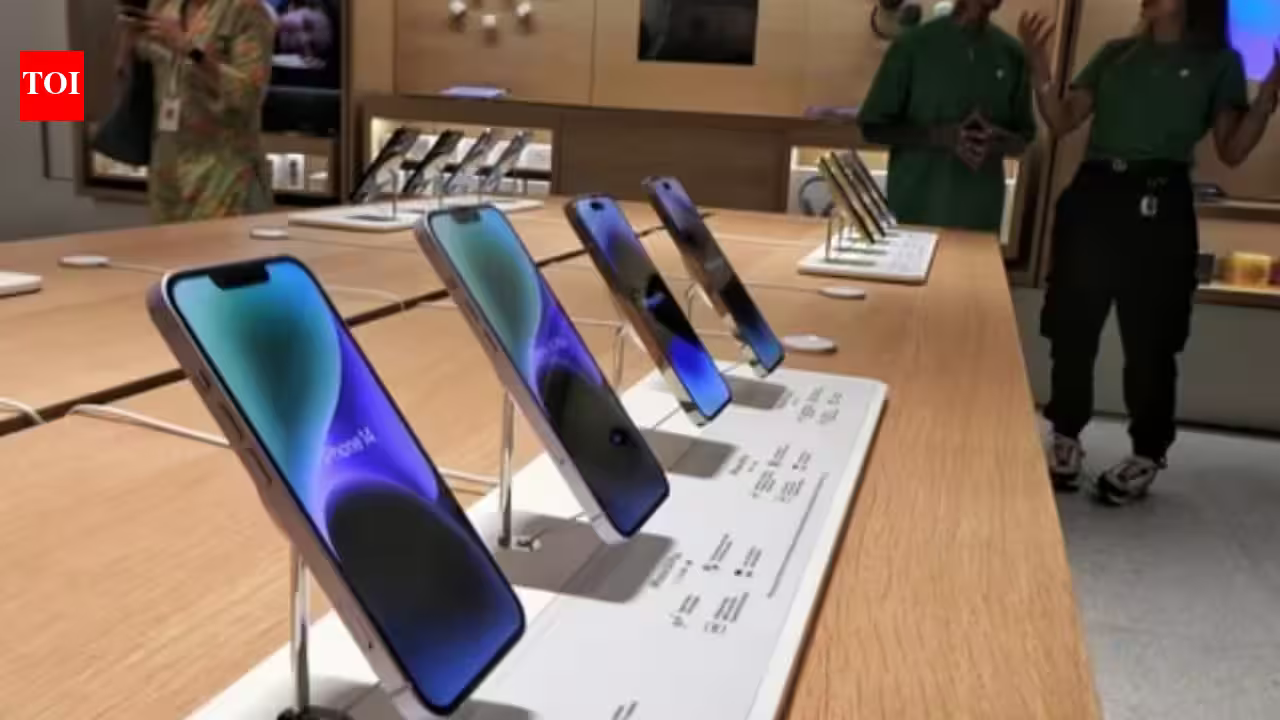
While the mass-market segment faces headwinds, the premium sector is demonstrating remarkable resilience. The growth in market value, despite falling volumes, is fueled by a clear trend toward high-end devices. Consumers are increasingly migrating toward smartphones priced above the Rs 60,000 threshold. In this segment, the motivation to upgrade is not necessarily dictated by the immediate need for a functional device, but by the desire for advanced features, better performance, and the status associated with premium hardware.
To bridge the gap between higher device prices and consumer affordability, the industry has turned to sophisticated financial solutions. Financing schemes and Buy Now, Pay Later (BNPL) services have become standard features of the retail landscape. These financial instruments allow users to spread the burden of cost over several months, effectively lowering the psychological and fiscal barrier to purchasing high-end devices. The shift towards premiumisation is further supported by the ubiquity of trade-in programs, which allow users to recycle the residual value of their old devices to offset the cost of the next one. This circular economy of smartphones is becoming a cornerstone of the modern Indian retail experience.
Trade-Ins as the New Growth Driver
Trade-ins have evolved from being a niche service to a critical component of the consumer journey. Industry data suggests that trade-in volumes during the festive months of October and November typically surge by 50% compared to average periods. This spike indicates that consumers are becoming more efficient at managing their personal electronics portfolios. Rather than leaving an old device to gather dust in a drawer, Indian consumers are now actively utilizing its trade-in value as a down payment for their next upgrade.
Interestingly, this trend is no longer confined to the metropolitan elite. Servify and other ecosystem players have noted a clear expansion of trade-in demand into Tier 2 and Tier 3 cities. This geographical spread of premiumisation suggests that the aspiration for high-end technology is becoming universal. As regional markets mature, the appetite for flagship devices is growing, provided the ecosystem—financing, insurance, and trade-in support—is readily available. This democratization of the premium segment is crucial, as it provides a new growth pillar for manufacturers who can no longer rely on volume-driven sales in the budget category.
The Expanding Ecosystem: Protection and Services
The evolution of the Indian smartphone market is also reflected in the secondary service ecosystem. Premium devices do not just represent a higher initial expenditure; they also command a higher valuation for protection services. Data indicates that smartphones in the premium segment have a 30% to 40% higher attachment rate for protection plans compared to entry-level devices. Recognizing the risk associated with an expensive investment, consumers are increasingly opting for device insurance and extended warranties.
This trend is prompting manufacturers to bundle these services directly into the purchase experience. By integrating protection, insurance, and assured buyback programs with financing, brands are creating a “total cost of ownership” package that appeals to the value-conscious yet aspirational Indian buyer. This strategy shifts the focus from the sticker price of the hardware to the comprehensive utility of the smartphone throughout its life cycle.
Future Outlook: Navigating a Mature Market
As the festive season approaches, the smartphone industry in India finds itself at a crossroads. The era of exponential growth driven by the constant influx of new users has given way to a more complex, value-oriented landscape. Success in this environment requires a departure from traditional volume-chasing strategies. Brands must instead focus on deep engagement with their existing customer base, leveraging financing and circular trade-in models to encourage upgrades.
The outlook for the remainder of the year and into the next hinges on the ability of the industry to provide affordability in an era of rising costs. With manufacturers less capable of offering deep, permanent discounts, the burden of driving sales rests on innovative financial structures and the ability to articulate the long-term value of premium devices. While the total number of boxes sold may decrease, the increasing value per unit sold suggests that the Indian consumer’s relationship with technology is becoming more sophisticated. The market is maturing, and in doing so, it is aligning itself with global trends where the focus is firmly fixed on user retention, lifecycle management, and the premium segment. For manufacturers and retailers, the festive season will be a test of their ability to convert this evolving consumer demand into sustainable, long-term revenue growth.
Disclaimer: This content is auto-generated for informational purposes only.
Source: Read Original News