







CJI Surya Kant Declines Meeting with Rahul Gandhi, Cites Separation of Powers
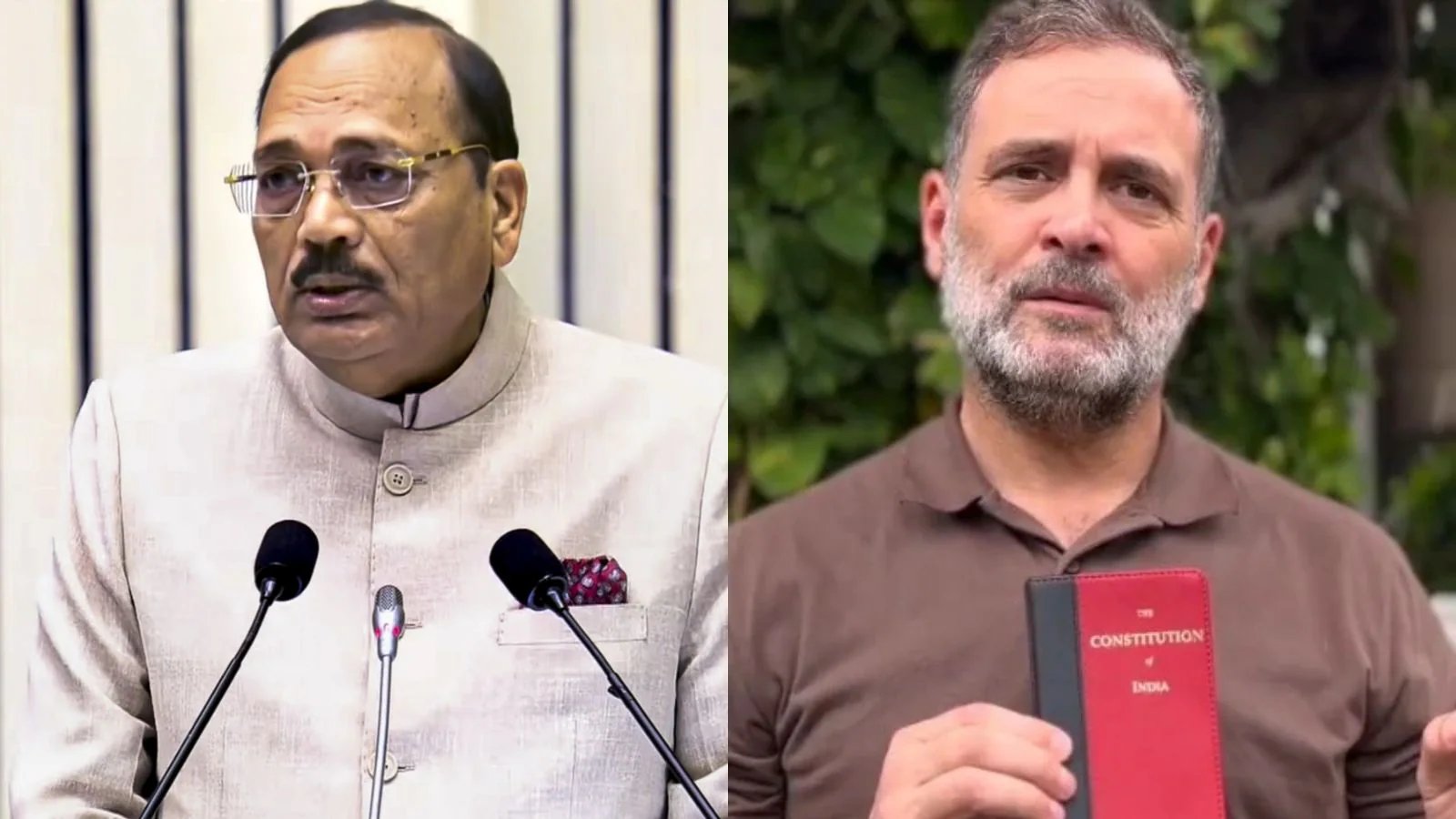
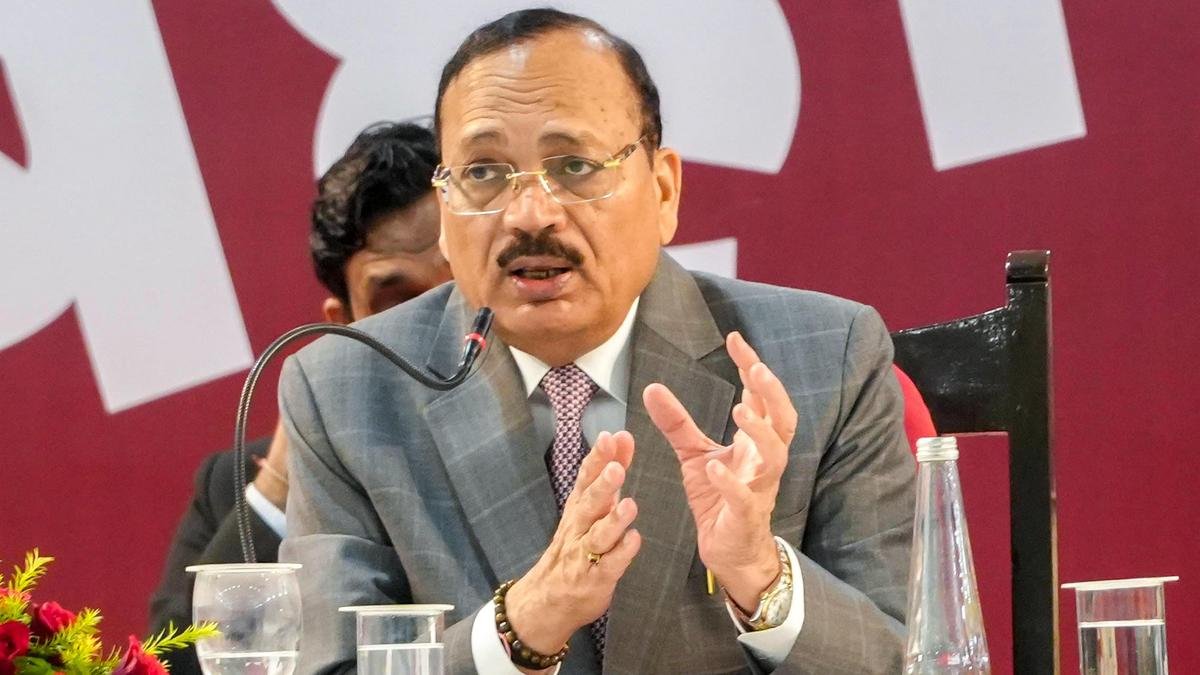
NEW DELHI – In a significant development reflecting the delicate balance between the judiciary and the political establishment, Chief Justice of India (CJI) Surya Kant has officially declined a request for a meeting with the Leader of the Opposition, Rahul Gandhi. The proposed meeting, which was scheduled for Monday, October 12, 2026, was turned down by the CJI’s office, which confirmed that the formal reasoning for the refusal had been dispatched to the Congress leader’s office via electronic mail.
Judicial Propriety and the Principle of Separation
The decision by the Chief Justice underscores the rigid adherence to the principle of separation of powers, a cornerstone of the Indian constitutional framework. According to internal sources familiar with the matter, the refusal was predicated on the understanding that any direct consultation between the head of the judiciary and a political leader could potentially compromise the impartiality of the court.
The CJI’s office indicated that the topics Mr. Gandhi sought to discuss are currently under active judicial consideration, or sub judice, within the Supreme Court. Engaging in administrative discussions regarding these matters could blur the lines between the executive’s governance responsibilities and the court’s role as the arbiter of law. Furthermore, the office maintained that it would be inappropriate for the judiciary to intervene in the administrative or governance-related grievances of the state, as such matters fall strictly outside the purview of the Chief Justice’s administrative functions.
Constitutional Channels for Redressal
While the rejection of the meeting request marks a clear boundary, the judiciary has remained firm in its stance that the courtroom remains the only appropriate forum for addressing constitutional grievances. Sources noted that the Chief Justice conveyed that the Opposition’s concerns—particularly those concerning fundamental rights—should be presented through the established judicial process.
“The court operates on its judicial side, not through private meetings,” a source indicated, emphasizing that legal arguments must be heard in open court to ensure transparency and accountability. The Supreme Court has already scheduled several petitions related to the ongoing protests against the Chief Election Commissioner and the security clampdown that occurred on October 10 for hearings on Monday, October 12.
Political Tension in the Capital
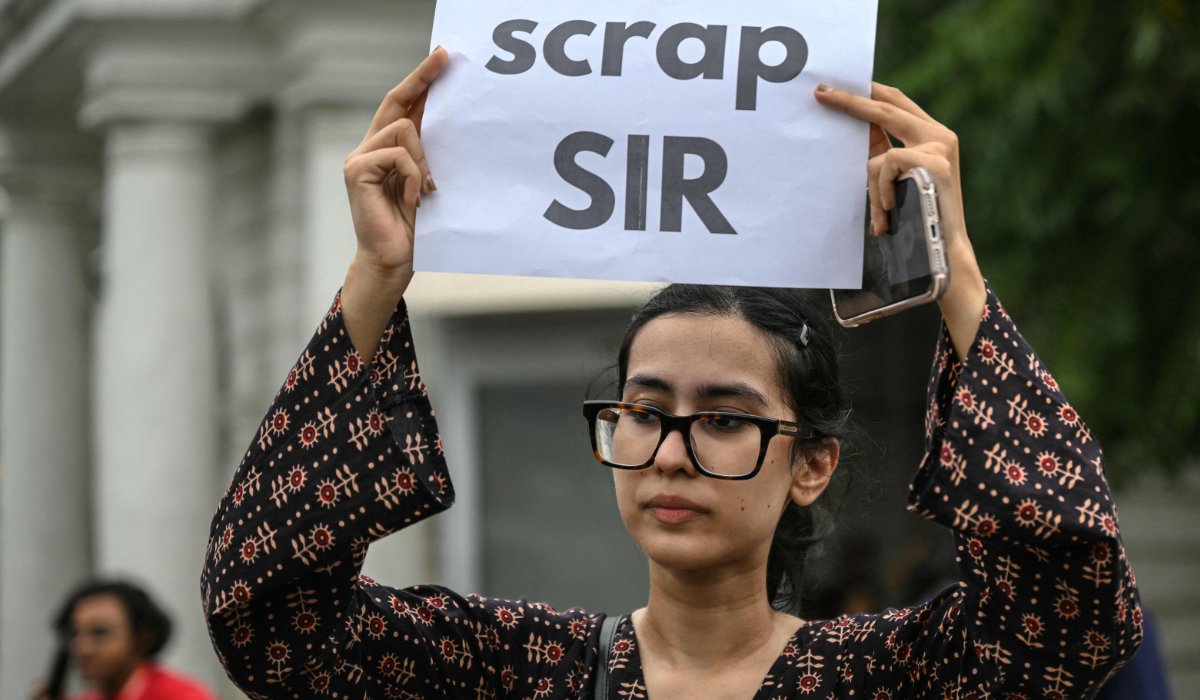
The refusal comes amidst a volatile political climate in New Delhi, where Opposition leaders have been vocal in their dissent against recent government actions. Following the rejection of the meeting, there is widespread speculation regarding an anticipated march by Opposition leaders toward the Supreme Court premises.
However, the CJI’s office has clarified that it has expressed no formal opinion regarding the legality or the impact of the proposed march. As the capital braces for potential disruptions on Monday, all eyes remain fixed on the Supreme Court proceedings, where the judiciary will once again be tasked with weighing the arguments of both the petitioners and the state. The events of the coming week are expected to serve as a litmus test for the resilience of democratic institutions and the adherence to procedural norms in the face of heightened political polarization.
Disclaimer: This content is auto-generated for informational purposes only.
Source: Read Original News