








Climate Crisis Exacerbates Historic Caste Inequalities in Bundelkhand
As temperatures soar and water sources dwindle, activists warn that the most marginalized communities are bearing the brunt of a deepening humanitarian crisis.
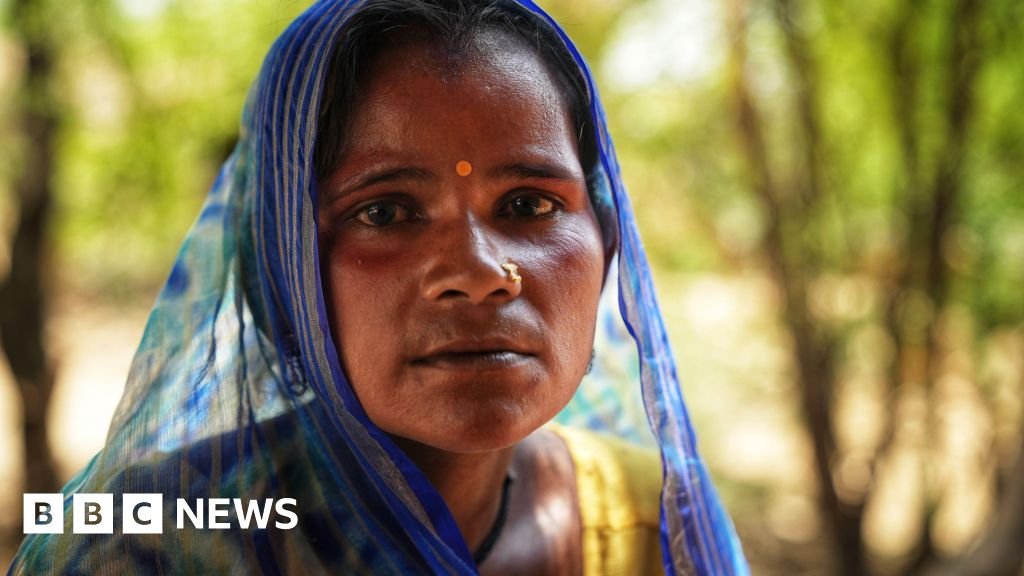
In the parched landscape of India’s Bundelkhand region, the intensifying climate crisis is doing more than just wilting crops and drying up wells—it is actively deepening entrenched societal divides. According to local activists and community leaders, the intersection of record-breaking heat and acute water scarcity is disproportionately impacting Dalit communities, effectively weaponizing systemic caste inequalities.
For generations, the Bundelkhand region, straddling the states of Uttar Pradesh and Madhya Pradesh, has battled chronic drought. However, the accelerating pace of global warming has turned a cyclical struggle into a daily fight for survival. As natural resources become increasingly rare, observers note that access to public water points is being restricted by dominant-caste landowners, leaving those at the bottom of the social hierarchy with little recourse.
“The climate emergency is not a neutral phenomenon; it is a force multiplier for existing social injustices,” says one local advocate. In many villages, shared wells that have served the community for decades are now being policed, with Dalit residents often barred from accessing the remaining water supplies. This segregation forces families to travel vast, sweltering distances on foot—often in temperatures exceeding 45°C—to find alternative, frequently unsafe, sources of water.
The data supports the mounting desperation. Experts highlight that Bundelkhand has seen a significant migration of laborers who are no longer able to sustain themselves through traditional subsistence farming. With their livelihoods scorched by heatwaves and their access to essential services blocked by discriminatory local dynamics, these marginalized groups are being pushed into a cycle of debt and displacement.
The crisis has ignited a call for urgent policy intervention that goes beyond mere infrastructure. Activists are demanding that climate resilience strategies explicitly include a focus on social equity, arguing that water management systems must be decoupled from the control of dominant caste groups to ensure fair distribution.
As the mercury continues to climb, the plight of Bundelkhand serves as a stark reminder that the impacts of environmental degradation are rarely distributed equally. Without targeted efforts to dismantle these historic prejudices, the climate crisis threatens to further solidify the marginalization of the vulnerable, turning a drought of water into a lasting drought of opportunity and human rights.