






Apple’s Foldable iPhone Ultra: Early Testers Praise Design but Highlight Major Omissions
With the highly anticipated September Apple event just weeks away, the tech world is buzzing with excitement over the upcoming iPhone 18 lineup. However, the true centerpiece of the showcase is expected to be the company’s first-ever foldable device, currently rumored to be called the iPhone Ultra.
While Apple has kept details under wraps, new insights from industry insider Mark Gurman have revealed how early testers are reacting to the device—and the reviews are a mix of high praise for its engineering and frustration over its feature set.
A Breakthrough in Foldable Engineering
According to Gurman, who spoke with individuals who have had hands-on experience with the prototype, the iPhone Ultra is poised to be a significant success. Testers were reportedly enamored with the device’s “pocket-friendly” design. When unfolded, the device boasts an internal display that approaches the scale of an iPad mini, offering an immersive user experience that successfully bridges the gap between a smartphone and a tablet.
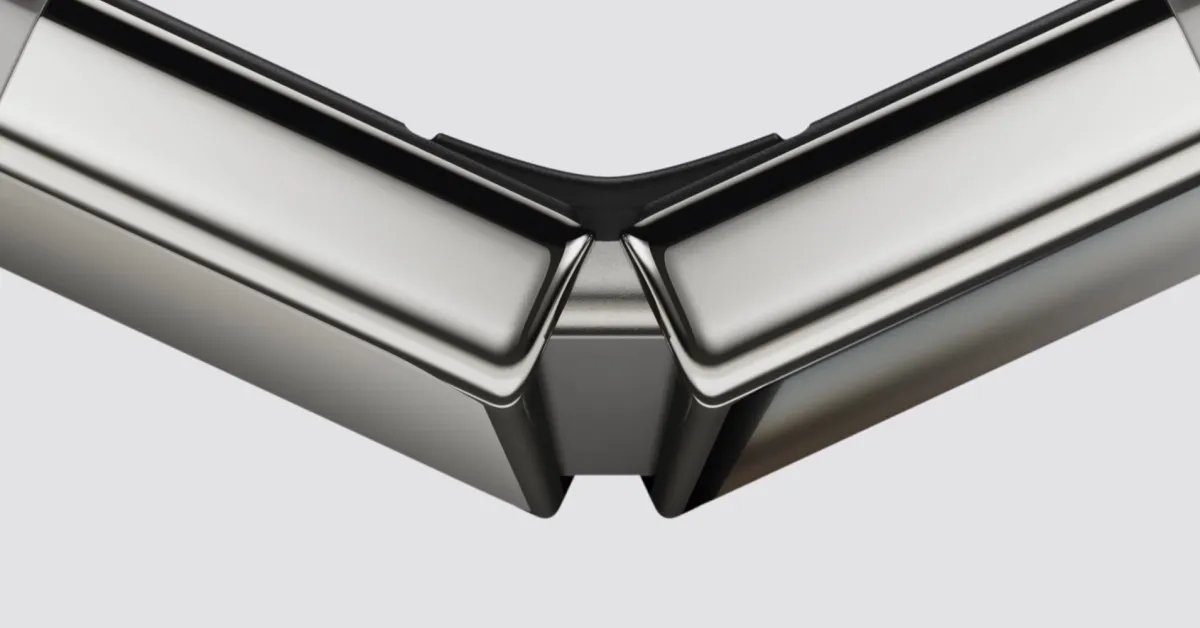
The most notable praise, however, was reserved for the device’s hardware. Apple has clearly spent considerable time perfecting its hinge mechanism, with testers noting that the durability and tactile feel of the foldable screen are industry-leading. Additionally, the device reportedly excels as a camera viewfinder, making it a compelling tool for mobile creators.
The Trade-Off: Where the iPhone Ultra Falls Short
Despite the excitement, early feedback suggests that the iPhone Ultra may face hurdles due to two glaring omissions that could alienate the power-user demographic.
The most significant point of contention is the camera array. The device is expected to feature only two rear lenses, notably lacking the telephoto lens that has become a staple of Apple’s flagship Pro models. Gurman highlights a potential dilemma for Apple: given the rumored $2,000 price point, the target audience for the iPhone Ultra is identical to those who prioritize premium photography. By omitting advanced zoom capabilities, Apple risks pushing Pro-level users toward the more traditional—and likely more capable—iPhone 18 Pro Max.
Furthermore, the device appears to be dropping the company’s signature biometric security. Gurman confirmed that the iPhone Ultra will utilize Touch ID rather than the much-beloved Face ID. For users who have grown accustomed to the convenience of facial recognition, this step backward in technology could prove to be a significant point of friction.
A First-Generation Challenge
As we examine these early tester reviews, it is clear that while Apple is making a massive leap forward in form factor, it is grappling with the same physical constraints that have plagued competitors like Samsung. Much like the Galaxy Z Fold 8, the iPhone Ultra struggles to pack top-tier, space-consuming hardware into a device that must fold in half.
While these omissions might deter some early adopters, history suggests that Apple is playing the long game. As with the original iPhone and Apple Watch, the first iteration often serves as a foundational platform. If the hinge and display technology prove as impressive as early testers claim, the iPhone Ultra will likely set the stage for a new era of Apple mobile devices, with future iterations surely poised to rectify these hardware compromises.