







A Philosophical Divide: The Greens Face a High-Stakes Dilemma Over the Great Koala National Park
What exactly constitutes a “win” for environmental campaigners? Is it the long-awaited protection of a massive forest habitat, or is the victory hollow if it comes at the cost of the integrity of climate policy?
This question has moved from the realm of abstract ethics to the floor of the Australian Senate, where the Greens are currently weighing an extraordinary decision: whether to support a Nationals’ motion that would effectively strike down a landmark plan to establish the Great Koala National Park in New South Wales.
A Long-Awaited Protection
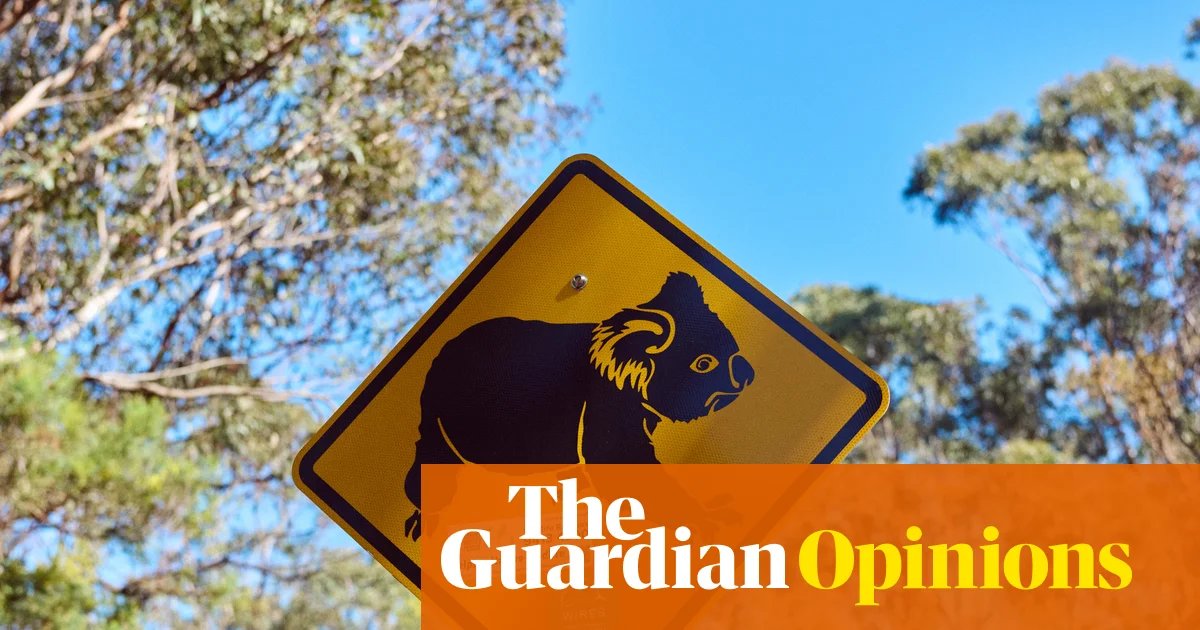
The project, which has been in the works for over a decade, promises to lock away 476,000 hectares of state forest—including 176,000 hectares of new additions—to protect approximately 12,000 koalas and a wealth of biodiversity, including gliders and glossy black cockatoos. The proposal is backed by local activists and First Nations leaders who view the reserve as a critical step in halting the decline of native forest species.
However, the path to implementation became contentious in June, when the federal government approved a funding model that allows the park to generate millions of dollars through carbon credits.
The Carbon Credit Controversy
At the heart of the dispute is the “polluting the debate” dilemma. Carbon credits are intended to represent one tonne of greenhouse gas emissions prevented or captured. While the goal is vital, the Australian system—and the government’s “safeguard mechanism”—has faced persistent criticism. Critics argue that many credits lack “additionality,” meaning the projects would have likely happened anyway, or that they serve merely as a tool for large, polluting industries to claim “net zero” while delaying deep, direct emissions cuts.
Former Greens leaders Bob Brown and Christine Milne, alongside groups like the Australia Institute, have argued that the Great Koala National Park should be funded by taxpayers rather than by selling credits that potentially allow fossil fuel companies to greenwash their operations.
The Case for Pragmatism
Conversely, many on the ground, including renowned ecologist Professor David Lindenmayer, warn that rejecting the plan could be a catastrophic missed opportunity.
Proponents of the deal point out that the current proposal goes far beyond Labor’s initial campaign promises. It includes an explicit cap on logging in public and private native forests to levels well below the historical average, which could fundamentally change the trajectory of the timber industry in the state. Furthermore, the volume of credits involved is relatively small—less than 1% of the national total—suggesting that this specific project is unlikely to undermine global climate policy, regardless of one’s stance on credit integrity.
The Political Brinkmanship
The decision is a political minefield. If the Greens vote with the Nationals to kill the motion, they risk being seen as having abandoned local conservationists and siding with the forestry industry. Conversely, supporting it forces them to accept a carbon credit mechanism they have historically opposed.
As the Senate vote approaches, the possibility of a compromise remains. The NSW government has hinted at limiting the sale of these credits to industries not involved in fossil fuel extraction.
For the Greens, the stakes are existential. As NSW Greens MP Sue Higginson has cautioned, rejecting the plan might lead to a future that is “worse, not better” for the forest. Amidst this complex debate over the Great Koala National Park, the party must decide if the pursuit of policy purity is worth the price of losing a once-in-a-generation conservation victory.