








Fears grow for beloved local seal as bird flu crisis grips Victorian coast
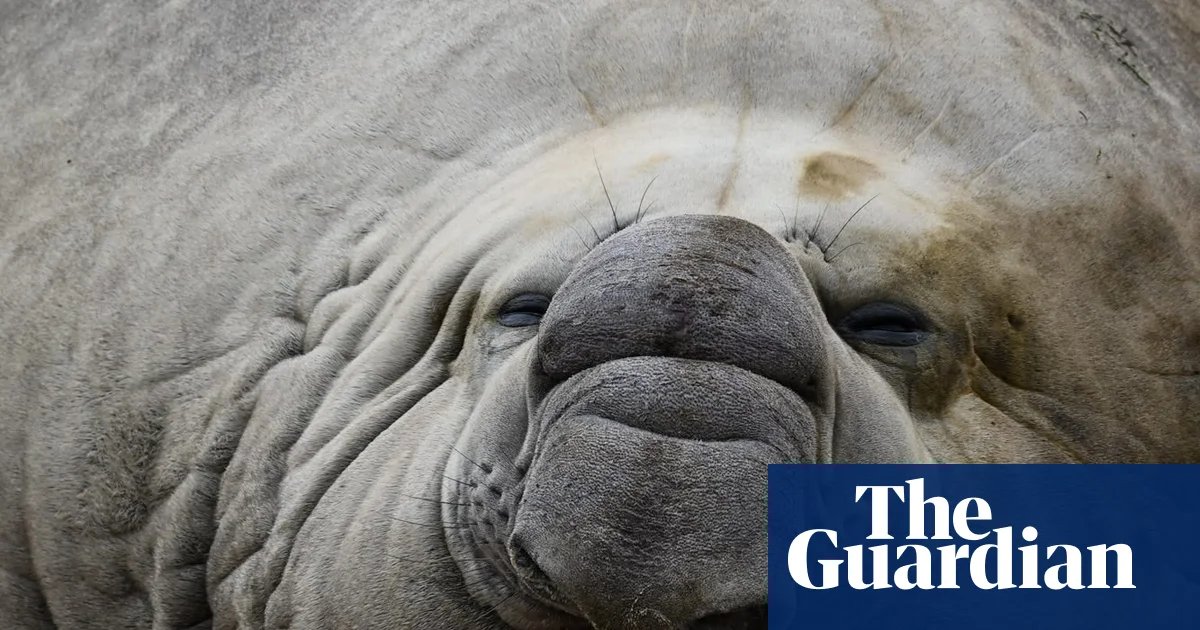
The coastal town of Portland, Victoria, has become the epicentre of a distressing wildlife crisis as the H5 bird flu continues to sweep through local bird populations, leaving residents desperate to protect their community’s most famous inhabitant: a southern elephant seal known as Sammy.
Since the virus arrived in the region at the end of July, the local foreshore has been littered with suffering birds, with some estimates suggesting as many as 40 new cases of sick or dying birds appearing daily. The federal agriculture department has confirmed 17 separate events involving crested terns, silver gulls, magpies, and ravens, though the true number of infected wildlife is suspected to be significantly higher.
A “Grim” Reality for Locals
Lynn Murrell, president of the Southwest Environment Alliance, describes the scene on the beach as “pretty grim.” The local council has faced criticism and public distress over the handling of carcasses, which are often left on the beach due to state government advice. While council crews have begun removing some bodies where safety or public amenity is at risk, the sight of suffering animals remains constant.
Last weekend, the situation prompted volunteer wildlife carers to take matters into their own hands, traveling to the region to humanely euthanise birds that were dying slow, painful deaths.
“This is a Band-Aid over a bleeding wound,” said David Mould of the Victorian Wildlife Alliance. “These birds can’t fly; they have neurological symptoms. They lose their ability to walk, and they start staggering around having seizures.”
The Concern for “Sammy”
The anxiety surrounding the virus has been amplified by the recent confirmation of H5N1 in a fur seal just two hours away in Beachport, South Australia. This has turned the spotlight onto Portland’s own southern elephant seal, Sammy, who has effectively “adopted the town.”
A fixture of the local port and community gardens, the seal has been spotted in recent weeks in areas frequented by birds suspected of having the virus. “He’s a great tourist attraction. The locals love him,” Murrell said. “So, we’d hate to see him get the flu.”
Why Marine Mammals Are at Risk
Experts warn that seals are particularly vulnerable to the strain. Prof. Rob Harcourt of Macquarie University explains that elephant seals are “thigmotactic,” meaning they have a biological drive to remain in close physical contact with one another.
“They sniff each other’s faces; mothers recognise their pups by touching noses,” Harcourt noted. This social behaviour, coupled with their tendency to share habitats with wild birds, creates an environment where the virus can transmit rapidly.
The risk is not just theoretical. A deadly strain of the virus was responsible for the deaths of over 13,000 seal pups on Heard Island between 2025 and 2026. With southern elephant seals listed as vulnerable and Australian sea lions—which Harcourt describes as the “labradors of the sea”—listed as endangered, the stakes for Australia’s marine ecosystem have never been higher.
As the Victorian government navigates its response, the community of Portland remains on high alert, watching their local “celebrity” seal with a mixture of affection and deep concern for what the coming weeks may bring.