





A Nation in Peril: Is France’s Political Class Blind to the Climate Reality?
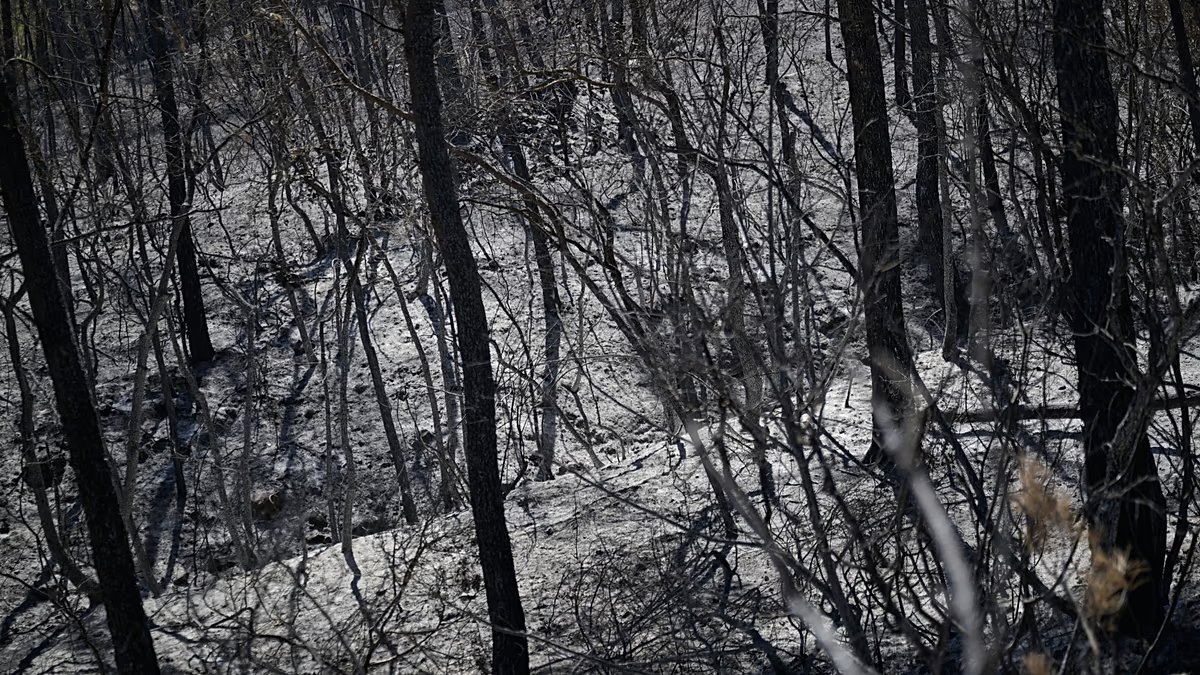
France has endured a summer of unprecedented climatic strain. From the devastating wildfires ravaging the Gironde, Landes, and Var regions to relentless, back-to-back heatwaves and a debilitating drought crippling the agricultural sector, the country is facing an undeniable environmental crisis.
This follows a winter defined by a rapid succession of storms and severe flooding, leaving many to wonder if France is trapped in a permanent cycle of climate-induced chaos. Yet, as the next presidential election approaches, experts and activists warn that the political response remains dangerously detached from the urgency of the situation.
A Growing Crisis of Eco-Anxiety
The physical toll is mirrored by a psychological one. A recent Ipsos survey revealed that 64% of French citizens experienced anxiety or fear for their loved ones’ health this summer, while 48% feared for their own. Furthermore, data from the French environment agency (ADEME) suggests that over 6 million people are grappling with some form of “eco-anxiety,” with 420,000 at risk of severe mental health issues.
Despite this clear public distress—and 79% of respondents calling for aggressive public measures to combat heatwaves—the political establishment appears paralyzed.
“Most parties and presidential candidates seem out of touch with the everyday realities of French people who are severely affected by these events,” says Anne Bringault, program director at Réseau Action Climat. “The political response appears very timid and nowhere near matching French people’s expectations.”
The “Denial” of the Political Class
Jean-Marc Jancovici, founder of the Shift Project, has been even more scathing, accusing the French political class of living in a state of “denial.” According to Jancovici, the platforms of declared and potential presidential candidates are devoid of the coherent, structural measures required to navigate a rapidly changing world.
Critics argue that the media often focuses on the “what” of climate disasters—the scorched forests and dried-up riverbeds—rather than the “why.” Eva Morel, secretary-general of the association QuotaClimat, believes this failure to discuss the root causes, particularly our reliance on fossil fuels, creates a vacuum that makes it impossible to debate genuine solutions.
“We cannot hope for a constructive debate when, as soon as climate disasters occur, we talk only about the situation and fail to understand the underlying factors,” Morel explains.
A Fractured Political Landscape
As the campaign season heats up, the ideological divide over climate remains stark:
- The Right and Center: Critics note that these parties often treat environmental issues as secondary or non-political, preferring to pivot toward traditional talking points like immigration.
- The Left: While environmental platforms remain more substantial here than on the right, experts warn of “electoral opportunism,” where the focus is more on capturing green votes than implementing transformative systemic change.
- The Far Right: The Rassemblement National (RN) has come under fire for “greenwashing.” Analysts argue the party has adopted simplistic, short-term solutions—such as promoting the widespread use of air conditioning—while engaging in a strategy of obstruction and disinformation that hinders the implementation of effective climate policies.
The Time for Adaptation
For years, scientists have issued warnings that the climate system is shifting in ways unseen for millennia. The association Réseau Action Climat insists that France no longer has the luxury of choice; it must adapt, and it must do so immediately.
As voters look toward the upcoming election, the question remains: will candidates finally move beyond the response seems very timid and offer a vision that confronts the severity of the climate emergency, or will the “denial” continue as the landscape changes forever?