








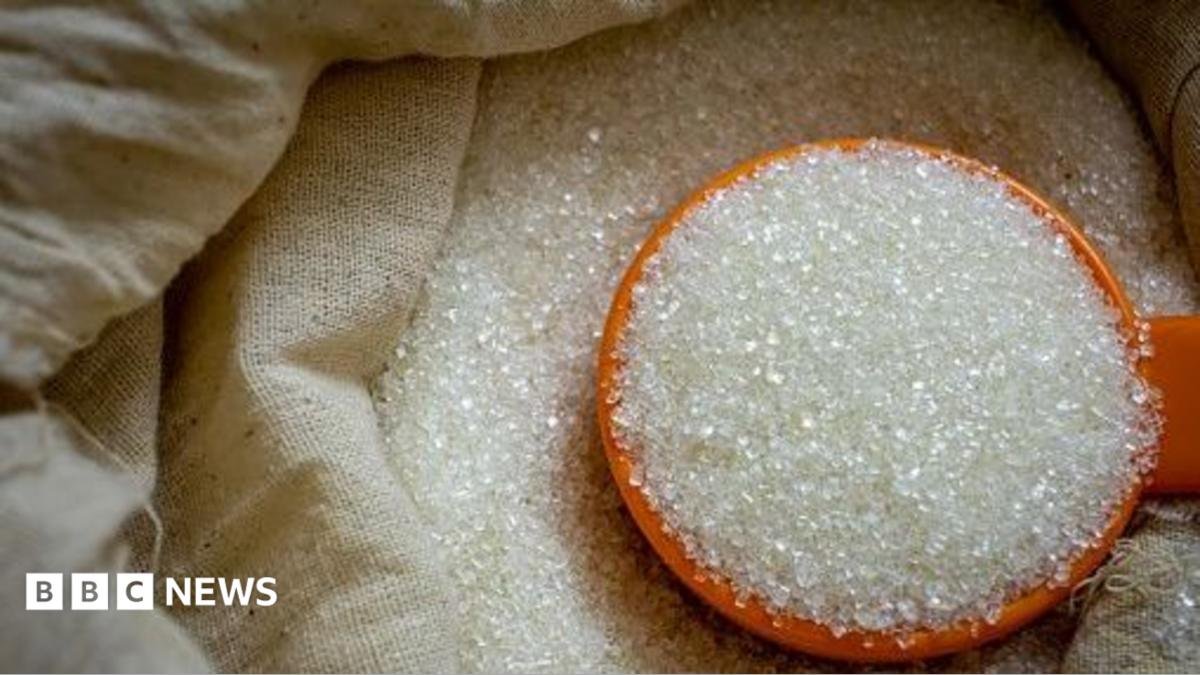
Balancing Fuel and Food: India’s Sugar Crisis Stirs Debate Over Ethanol Policy
As sugar prices continue to fluctuate, a fierce debate has erupted in India over whether the nation’s aggressive transition to green energy is fueling a food supply crisis. Experts are divided on whether the government’s ethanol-blending mandates or genuine agricultural shortfalls are responsible for the tightening market.
The Ethanol Dilemma
At the heart of the controversy is India’s ambitious E20 fuel policy, which aims for petrol to be blended with 20% ethanol. Critics argue that the systematic diversion of sugarcane—the primary feedstock for ethanol—to fuel production has exacerbated the current sugar shortage. Historically, sugar mills would reserve approximately 10% of their output for ethanol during years of surplus, serving as a buffer to stabilize consumer prices. However, with the E20 mandate becoming the standard at pumps this year, that cushion has seemingly vanished.
The government has pushed back against these claims. Officials maintain that the proportion of cane diverted to ethanol actually dropped from 12% in the 2022-23 period to approximately 9% for 2025-26. Instead, the government attributes the price surge to a combination of weak domestic output, market hoarding, and constrained global supply chains.
Hoarding or Real Scarcity?
Deepak Ballani of the Indian Sugar Mills Association (ISMA) echoes the government’s stance. Representing private mills that produce nearly half of the country’s sugar, Ballani argues that current stock levels and government-mandated monthly release quotas are sufficient. From his perspective, the price hikes are driven by market speculation and illegal hoarding rather than a fundamental deficit.
In an effort to curb these practices, the government has implemented a 400-tonne cap on stocks held by traders and wholesalers for the next three months. However, market analysts remain skeptical. Experts like Suryavanshi point out that similar measures have been deployed in the past with little effect, noting that prices continued their upward trajectory even after the latest restrictions were announced—a clear indicator, he argues, of a genuine supply squeeze.
A Global Supply Crunch
India’s domestic challenges are being compounded by a volatile global market. International supply has been hampered by adverse weather patterns:
- Thailand: Reduced rainfall due to El Niño has hindered production.
- Brazil: Heavy rains have disrupted the harvest in the world’s leading sugar-producing nation, where mills are also increasingly prioritizing ethanol.
- Europe: Severe heatwaves have devastated sugar beet crops, with France bracing for its poorest harvest in four years.
According to US government forecasts, global sugar production is projected to decline to 184.9 million tonnes this season, down from the previous record of 186.1 million. The market reaction was swift; London white sugar futures climbed to $541 per tonne in mid-August, reaching highs not seen since early 2025.
The Path Forward
Despite the current tensions, some analysts see a path to stabilization. Economists suggest that the record-high sugar prices will likely force mills to prioritize sugar production over ethanol for the upcoming season. “At current sugar prices, it simply doesn’t make economic sense for mills to divert cane juice to ethanol,” noted expert Chaturvedi.
However, the crisis has served as a wake-up call for policymakers. As the country navigates the complex trade-off between energy independence and food security, Chaturvedi emphasizes that the broader lesson of this year’s shortage is clear: India must adopt more rigorous and reliable methods for estimating its annual crop yields to avoid future volatility.