








A Nation at a Crossroads: Climate Crisis Puts French Presidential Hopefuls to the Test
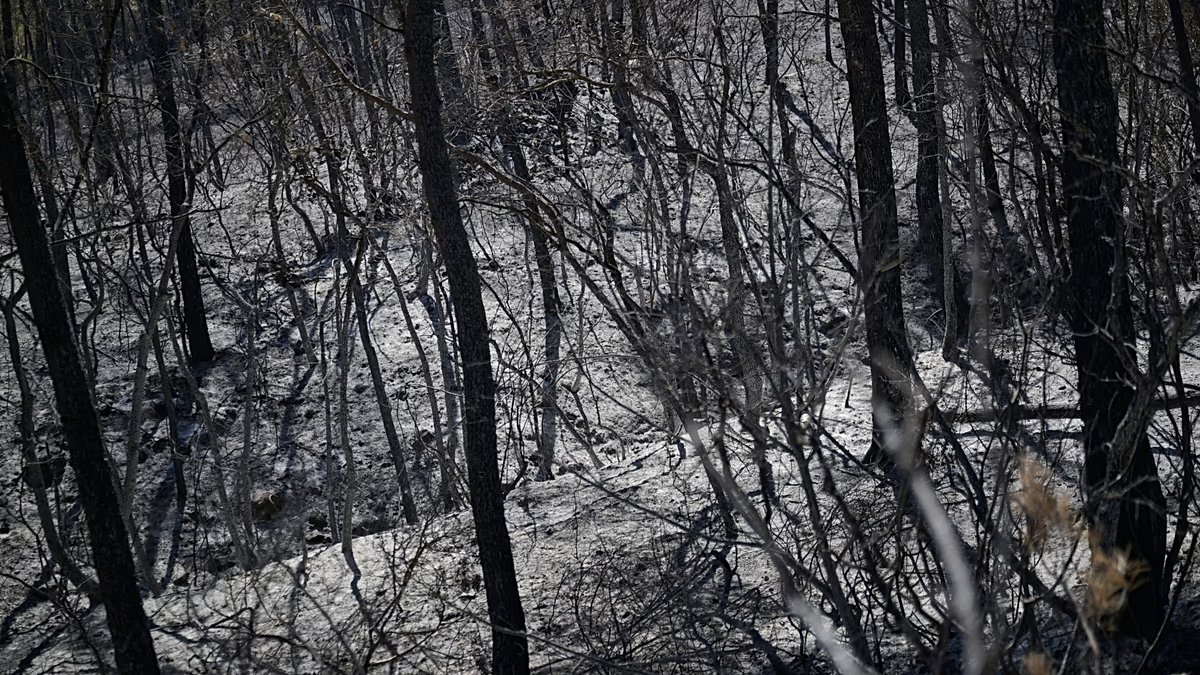
As France grapples with the devastating impacts of a brutal summer—marked by record-breaking heatwaves, rampant wildfires in Gironde, and a crippling agricultural drought—the nation finds itself in a state of growing anxiety. With a presidential election looming, the disconnect between public alarm and the political response has never been more glaring.
Following a winter defined by relentless storms and widespread flooding, the summer of 2026 has served as a harrowing reminder of the country’s vulnerability. According to a recent Ipsos survey, 64% of French citizens report feeling fear for the health of their loved ones, while 48% worry for their own well-being. Despite this, experts warn that the political class remains largely “out of touch” with the structural reality of the climate emergency.
The Growing “Eco-Anxiety” Gap
The psychological toll of these environmental catastrophes is becoming a significant societal issue. Research from the French Environment and Energy Management Agency (Ademe) suggests that millions of French citizens are suffering from varying levels of “eco-anxiety,” with hundreds of thousands facing mental health challenges directly linked to the changing climate.
Public demand for state intervention is clear: 79% of respondents in recent polls are calling for robust government measures to help the population navigate increasingly frequent heatwaves. Yet, political discourse remains mired in traditional debates, leaving many to feel that their leaders are in a state of willful denial.
“The political response seems very timid and not at all commensurate with what French people expect,” says Anne Bringault, programme director at the Climate Action Network. Jean-Marc Jancovici, founder of The Shift Project, echoes this sentiment, describing the current political class as trapped in a dangerous cycle of “denial.”
Politics Over Policy: The Campaign Trail
As the 2027 presidential race begins to take shape, environmental policy has become an inescapable—if inconsistently handled—topic.
- The Right and Center: While centrist figures like Gabriel Attal have begun to frame climate issues through the lens of competitiveness and energy independence, others, such as Édouard Philippe, have been criticized for sidelining environmental concerns in favor of traditional issues like immigration and security. Critics argue that even when the right acknowledges the climate, it treats adaptation as a secondary concern rather than a central pillar of governance.
- The Left: While the left has historically championed environmental causes, analysts warn that the current push for “green” policies is increasingly driven by electoral competition. While some candidates have proposed ambitious constitutional reforms, such as the “green rule,” experts note that the internal fragmentation of the left often hampers their ability to present a unified, coherent strategy.
- The Far-Right: The National Rally (RN) has shifted its strategy from open climate denial to a form of “green populism.” Analysts at the NGO QuotaClimat accuse the party of promoting simplistic, opportunistic solutions—such as universal air conditioning—while blocking effective long-term policies, like low-emission zones, through calculated misinformation campaigns.
Moving Beyond Observation
The central failure of the current debate, according to experts like Eva Morel of QuotaClimat, is a refusal to confront the systemic causes of the crisis. “We talk about the weather, but we rarely talk about fossil fuels,” she notes.
For many, the upcoming election is a test of whether the French political system can evolve to address a crisis that fundamentally threatens the country’s economic and social fabric. As the response seems timid in the eyes of climate activists, the pressure is mounting for candidates to move past tactical posturing and address the root causes of an environment that is no longer behaving as it once did.
With scientific warnings from the IPCC becoming increasingly urgent, the message from the public and climate experts is unified: adaptation is no longer an option—it is a necessity that the next president cannot afford to ignore.