








India Confident Rice Trade with Iran Will Withstand Intensified US Sanctions
NEW DELHI – Despite the looming threat of escalating US sanctions, India—the world’s largest rice exporter—remains steadfast in its ability to maintain its lucrative trade relationship with Iran. Industry leaders and trade officials suggest that the essential nature of the commodity, coupled with established workarounds for financial settlements, will likely shield the bilateral trade from further disruption.
A Critical Trade Link
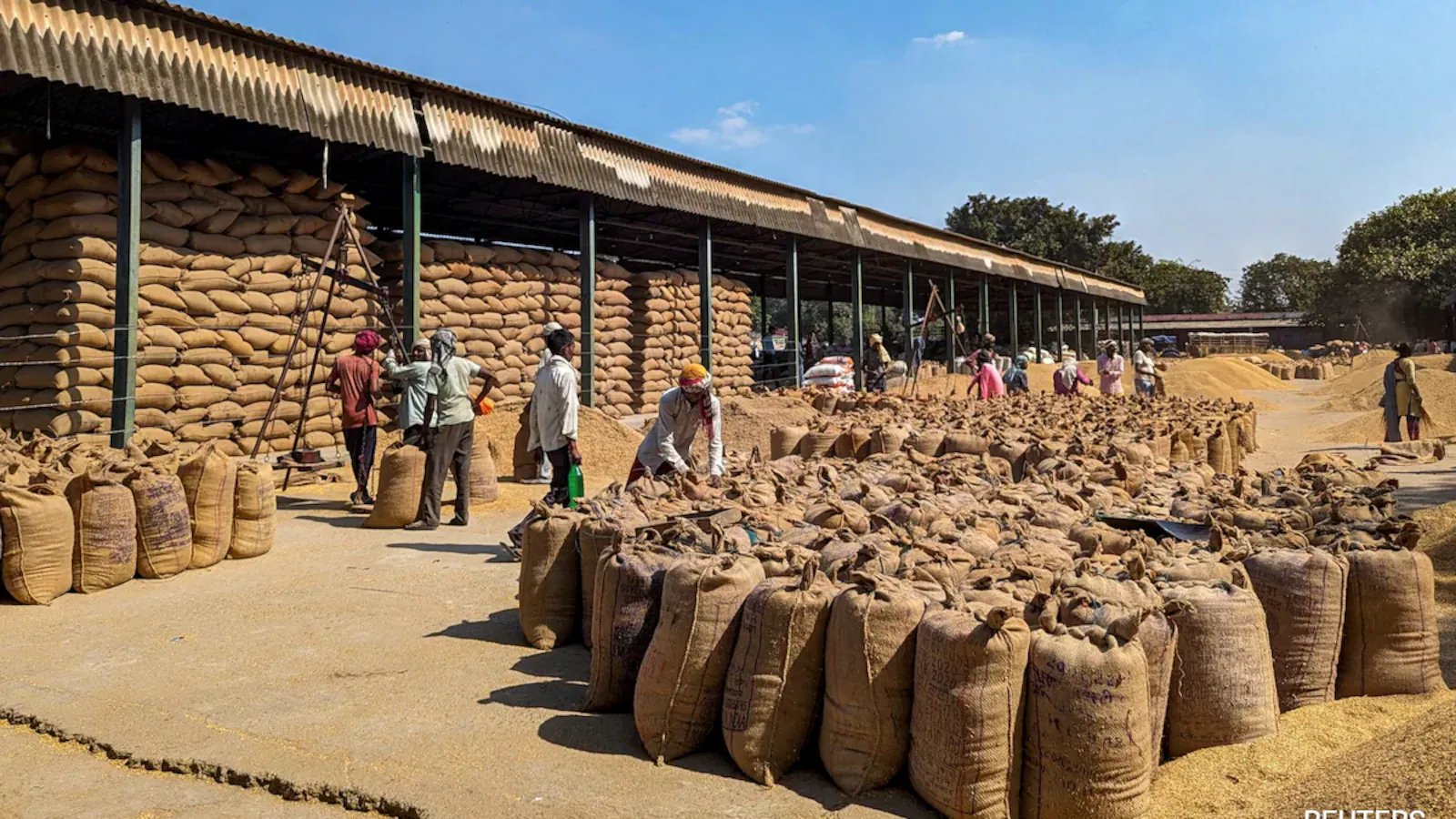
Rice serves as the backbone of the commercial relationship between New Delhi and Tehran. According to recent government data, rice accounted for nearly two-thirds of India’s $1.25 billion in total exports to Iran during the fiscal year ending in March. For Iran, India acts as a pivotal supplier, accounting for roughly 7% of India’s $11.5 billion in total global rice shipments.
The demand from Iran has proven remarkably resilient. Despite rising prices and persistent trade volatility driven by regional conflict, Iran imported over 1 million tons of rice last year—a 17% increase from the previous period. Experts attribute this to “food security reasons,” noting that rice remains a fundamental staple in Iranian cuisine, essential for traditional dishes such as chelow and the iconic crispy tahdig.
Navigating the Sanctions Landscape
The resilience of this trade comes even as the Trump administration continues to tighten its economic grip on Iran, recently unveiling new sanctions against more than 60 entities and threatening secondary penalties for any nation conducting business with the Islamic Republic.
However, Ajay Bhalothia, general secretary of the All India Rice Exporters Association, remains optimistic. “The trade will continue uninterrupted,” Bhalothia stated, citing the “humanitarian exception” status granted to food staples.
To bypass the complex hurdles posed by restricted access to Iranian banks, Indian exporters have developed a sophisticated, albeit indirect, payment architecture. Traders have reportedly been settling transactions via financial hubs in the United Arab Emirates, Germany, China, and more recently, Turkey. These alternative channels have allowed for the steady flow of goods and capital without direct entanglement with sanctioned Iranian financial institutions.
Beyond Rice: A Humanitarian Imperative
The trade pipeline is not limited to grains; it also includes pharmaceuticals, tea, bananas, cereals, bovine meat, and various chemicals. Trade experts argue that these commodities, largely categorized under humanitarian relief, are unlikely to face significant interference.
S.C. Ralhan, President of the Federation of Indian Export Organizations, echoed this sentiment, noting that while total exports to Iran may not be massive in the context of India’s global trade, the government should ensure continued support for exporters. “Indian exports to Iran shouldn’t get impacted,” Ralhan said, urging the government to intervene on humanitarian grounds to provide clear arrangements for those operating in the sector.
While India’s oil trade with Iran has effectively ceased—with the exception of minor windows of activity in recent years—the non-oil, humanitarian-led commerce appears to have found a sustainable footing. As both nations seek to preserve their economic interests, the rice exports stand as a primary test of how essential trade can navigate the geopolitical divide.