








France at a Boiling Point: Is the Political Class Ignoring the Climate Crisis?
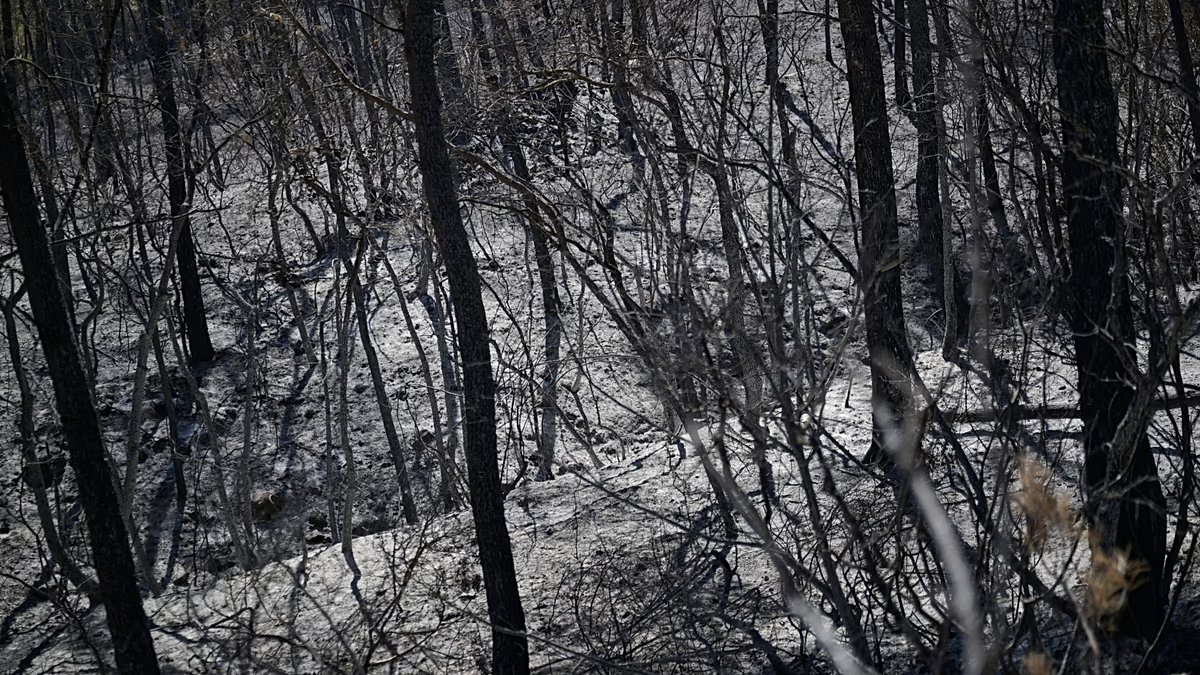
The summer of 2026 has been defined by a brutal reality for France. From the scorched forests of Gironde and the Landes to the parched landscapes of the Var, the nation has been gripped by consecutive heatwaves and a drought so severe that the agricultural sector faces a historic collapse. For many citizens, these are not mere weather events; they are the undeniable consequences of human-caused climate change finally arriving on their doorstep.
As the country turns its attention toward the upcoming presidential election, the climate crisis has moved from the periphery to the center of the national consciousness. However, a growing chorus of experts and advocates suggests that while the public is terrified, the political class remains dangerously out of touch.
A Nation in Distress
The emotional toll of this summer’s disasters is profound. According to an August 2026 Ipsos survey, 64% of French citizens reported feeling anxiety or fear for the health of their loved ones, while nearly half feared for their own safety. Data from the French Environment and Energy Management Agency (Ademe) paints an even bleaker picture, estimating that 420,000 people are suffering from severe, chronic eco-anxiety that places their mental health at genuine risk.
Despite this palpable public distress, the response from those vying for the presidency has been described as “timid” and disconnected. Anne Bringault, programme director at the Climate Action Network, told Euronews that current political rhetoric fails to match the scale of the destruction. “Faced with an unprecedented challenge… the political response seems very timid and not at all commensurate with what French people expect,” she said.
Jean-Marc Jancovici, president of The Shift Project, was more blunt, accusing the political establishment of being in “a form of denial” regarding the structural shifts required to survive a changing climate.
Diagnosis vs. Action
Critics argue that the failure begins with how politicians discuss the environment. Eva Morel, secretary-general of the association QuotaClimat, notes that election cycles rarely foster honest, constructive debate.
“We cannot hope for a constructive debate if, when climate disasters occur, we talk only about what is happening and do not try to understand the underlying factors,” Morel explained. She points out that while the media coverage focuses on the visual drama of wildfires, the conversation rarely shifts to the structural causes—most notably, our reliance on fossil fuels.
The Landscape of Campaign Promises
The current field of presidential candidates appears to be struggling to articulate a coherent path forward:
- The Centrist Bloc: Former Prime Minister Édouard Philippe’s platform has been criticized for barely mentioning ecology, prioritizing traditional themes like immigration. Meanwhile, Gabriel Attal has framed the transition as a matter of economic “competitiveness and innovation,” proposing a “ministry for water” to capture the public’s concern about resource management.
- The Left: While environmental platforms on the left are arguably more grounded in scientific reality, critics warn that the competition for the “green vote” risks becoming an exercise in electoral opportunism rather than genuine systemic change.
- The Far Right: The National Rally (RN) has been accused of “greenwashing” its image. Experts argue that the party’s sudden focus on environmental issues is purely opportunistic, lacking any concrete policy to address the root causes of global heating while rejecting established climate policies as “punitive.”
A Call for Urgent Adaptation
The Climate Action Network warns that France has run out of time for half-measures. Decades of warnings from the IPCC—which identified the 1983–2012 period as the warmest in 1,400 years—have been met with what activists describe as institutional inertia.
As the 2027 election approaches, the demand for a timid response from candidates will likely be met with increasing public frustration. For many, the central question of the next administration will not be about traditional partisan politics, but about whether the government is capable of moving beyond denial to lead the country through a period of radical, unavoidable change.