









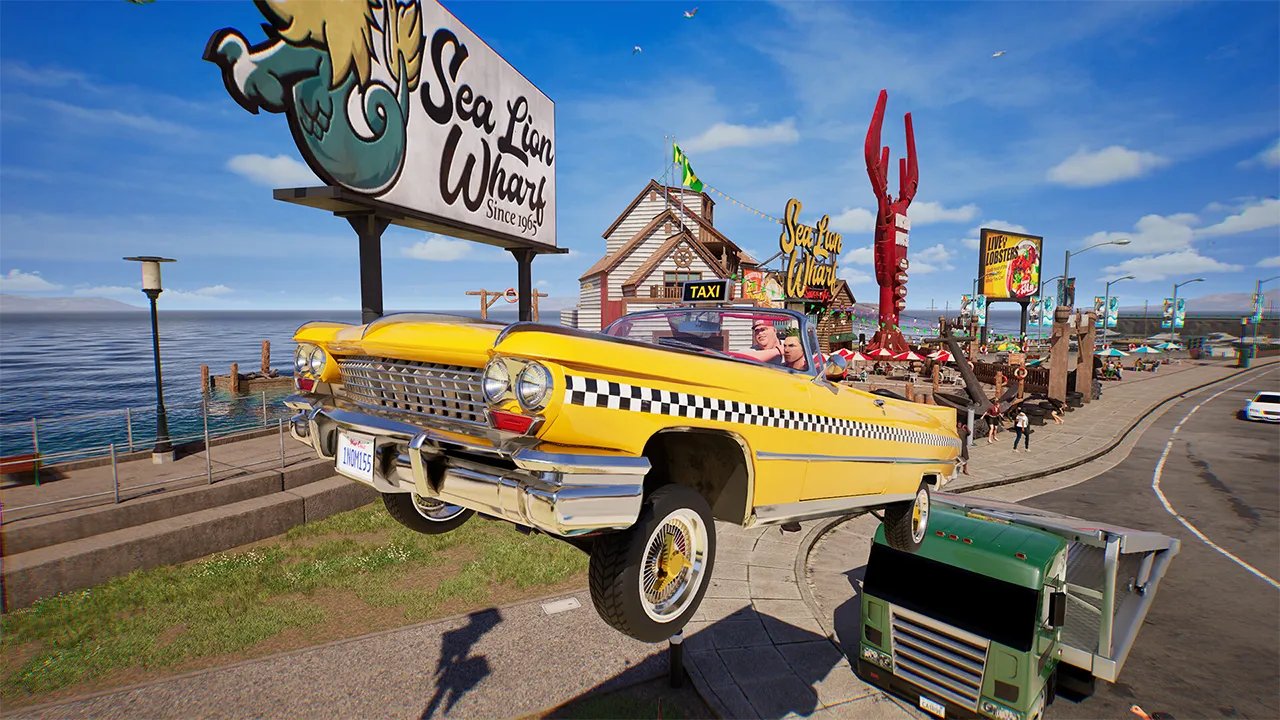
Nostalgia Behind the Wheel: A Hands-On Look at Crazy Taxi: World Tour
For over a quarter-century, Sega’s Crazy Taxi has remained the gold standard of arcade-style driving. Defined by its frenetic energy, high-octane stunts, and an iconic soundtrack, it is a quintessential relic of the early 2000s gaming landscape. Yet, with over a decade passing since the series last saw a release, fans have been left waiting for a return to the taxi stand. At this year’s Gamescom, Sega finally pulled the curtain back further on the highly anticipated Crazy Taxi: World Tour, offering a glimpse into whether the series can reclaim its crown.
Returning to the Driver’s Seat
The moment the familiar, adrenaline-fueled chords of The Offspring began to play, the years melted away. World Tour immediately captures the “flow state” that made the original Dreamcast titles so addictive. The core gameplay loop remains refreshingly uncomplicated—there are no complex skill trees or bloated RPG mechanics here, just pure, high-speed arcade fun. The controls feel tight, rewarding players for nailing boosts, drifting through tight turns, and threading the needle between heavy traffic.
During the demo, I had the chance to explore a new map: Germany. The region is ambitiously divided into five distinct sectors, including a sprawling airport, a traditional city, a walled historical district, mountain roads, and the high-speed Autobahn connecting them all. While the map is structurally sound for high-speed stunts, it raises questions about the game’s commitment to its premise.
Identity Crisis: Where is the “World” in World Tour?
While the driving feels great, the visual presentation leaves something to be desired. The environments—and particularly the NPCs—feel somewhat generic, reminiscent of off-the-shelf assets rather than a vibrant, lived-in world.
More importantly, the game struggles to sell its global setting. If you’re touring the world, you expect to feel a sense of place. Aside from a few signs, the “Germany” level felt like a generic European aesthetic that could have been placed anywhere. There is a missed opportunity here to infuse the map with local flavor—be it through unique character designs, regional accents for the passengers, or more specific cultural markers. In a game where your taxi has green flames erupting from its tires, realism shouldn’t be the barrier to injecting a bit more personality and charm into the environment.
Small Tweaks, Big Potential
One promising feature is the ability to toggle the time of day, transitioning from the crisp light of morning to the neon-soaked atmosphere of the night. While this currently feels like a purely aesthetic choice with no impact on traffic density or passenger behavior, it adds a layer of visual variety that is quite welcome. Hopefully, the final build will incorporate a dynamic day-night cycle that feels truly responsive to the driving experience.
The demo also showcased various mini-games that serve as excellent palate cleansers. From vacuuming up stacks of paper to launching daredevils in wingsuits, these side activities add a much-needed layer of variety to the standard delivery runs.
The Verdict
Despite its visual blandness and lack of cultural depth, Crazy Taxi: World Tour manages to succeed where it matters most: the “feel.” It is a rare, unpretentious experience that reminds us why arcade racers were once the kings of the living room. If Sega can lean into the “World” aspect of its title and sharpen the visual presentation, they may very well have a hit on their hands that honors the legacy of the franchise while bringing it into the modern era.