








It isn’t every day that a Hollywood A-lister pivots from box-office dominance to a boardroom power play that leaves Wall Street stunned. But in 2017, George Clooney did just that, turning the liquid equivalent of a “passion project” into a $1 billion windfall. The story of Casamigos is often told as a tale of sheer luck, but looking closer, it serves as the ultimate masterclass in modern brand building: authenticity, organic growth, and the power of a celebrity persona done right.
## Casamigos Began as a Project Among Friends
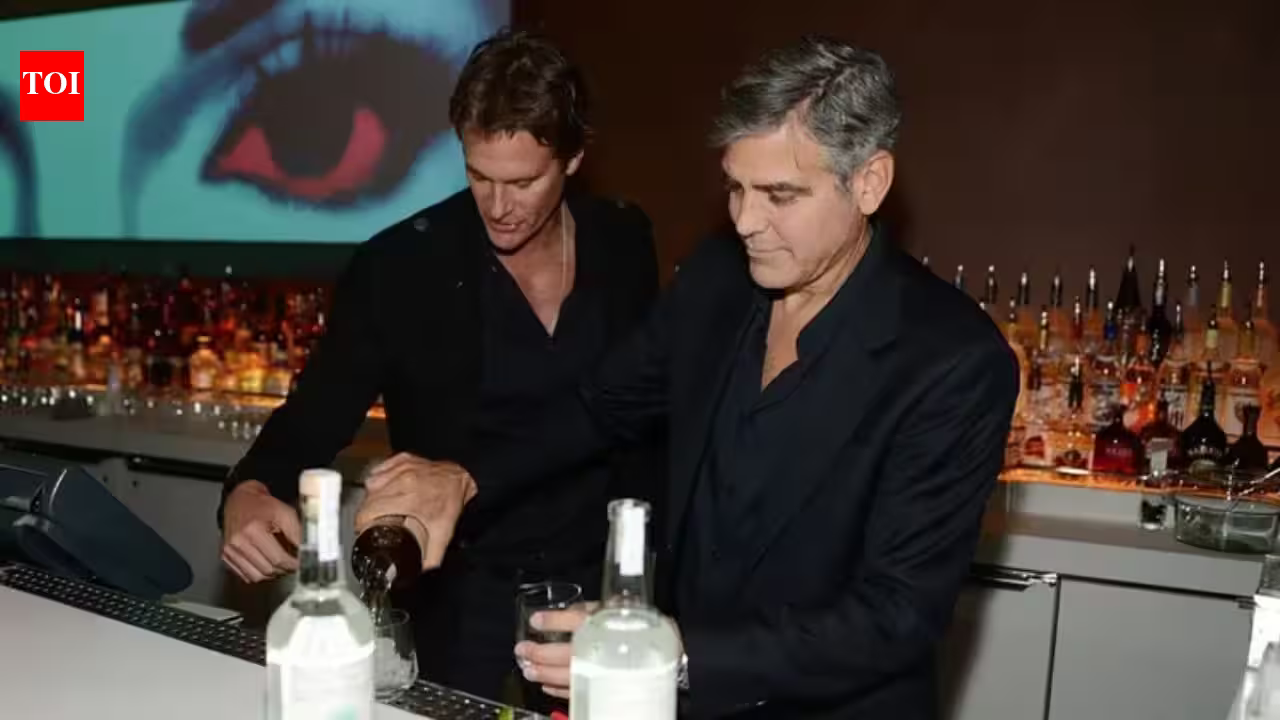
The origin story of Casamigos—Spanish for “House of Friends”—is remarkably devoid of corporate focus groups or high-concept marketing decks. In 2013, George Clooney, nightlife entrepreneur Rande Gerber, and real estate developer Mike Meldman were spending significant time at their neighboring homes in Mexico’s Baja California peninsula. The trio shared a refined palate for tequila but found themselves frequently disappointed by what was available on the market.
They didn’t set out to conquer the spirits industry. Instead, they wanted to create a spirit that didn’t leave them with a “hangover face” the next morning. Working alongside a master distiller in Mexico, they spent two years sampling various blends until they hit upon a profile that satisfied their personal, exacting standards. For years, the tequila was exclusively for the “house.” It was served at dinner parties, holiday gatherings, and quiet nights on the porch. It wasn’t a product; it was a hospitality gesture. As the legend goes, they were producing so much of the stuff that a distillery contact eventually asked, “Are you guys planning to sell this, or just drink it?” That accidental threshold—the moment they realized they were consuming enough to require a liquor license—was the spark that turned a hobby into a commerce machine.
## Growing Demand Turned the Idea into a Business
Once the decision was made to take Casamigos public, the trio leaned into the exact thing that money can’t buy: an authentic, organic narrative. In an era where consumers are increasingly skeptical of celebrity-backed products, Casamigos hit the sweet spot. It didn’t feel like a cynical cash grab; it felt like a lifestyle choice.
By the time the brand hit the broader market, it had an inherent cool factor. It wasn’t marketed through glossy, overproduced commercials initially; it spread through the social circles of the Hollywood elite and hospitality industry insiders. Demand grew with terrifying speed. By 2016, the brand was moving 120,000 cases annually, posting a staggering compound annual growth rate of 54%. Investors and industry giants watched in awe as this boutique label grew from a backyard experiment into a legitimate premium contender. It was a perfect storm: the tequila boom was hitting the U.S. market, and Casamigos was perfectly positioned to capture the demographic that wanted high-end, smooth agave spirits.
## Diageo Announced the $1 Billion Acquisition in 2017
By mid-2017, the brand’s meteoric rise caught the attention of Diageo, the British multinational beverage behemoth that already controlled a portfolio of heavy hitters like Johnnie Walker and Smirnoff. In June, the announcement dropped like a bombshell: Diageo was acquiring Casamigos in a deal that valued the company at up to $1 billion.
The deal structure was a testament to the brand’s perceived long-term value. It consisted of an upfront payment of $700 million, with a performance-based earn-out of up to $300 million over the subsequent decade. For Diageo, it was a strategic masterstroke—they bought a brand that had already done the heavy lifting of establishing a premium identity and a loyal consumer base, and they acquired the distribution infrastructure to take that brand global overnight. Unlike other celebrity deals where the star simply puts their face on a billboard, the Casamigos agreement kept Clooney, Gerber, and Meldman closely tied to the brand’s future, ensuring the “cool” factor didn’t evaporate the moment the check cleared.
## The Acquisition Was Completed in August 2017
By mid-August, the paperwork was finalized, and Casamigos officially transitioned from a private friendship venture to a corporate asset under the Diageo umbrella. For George Clooney, the deal cemented his status as more than just a face on the silver screen; he proved to be a formidable entrepreneur capable of reading the zeitgeist.
The acquisition didn’t just make the founders incredibly wealthy—it fundamentally changed how the spirits industry views celebrity partnerships. Post-2017, we saw a tidal wave of celebrity-backed alcohol brands, from Dwayne “The Rock” Johnson’s Teremana to Kendall Jenner’s 818. Everyone wanted to replicate the “Casamigos Effect.” But as industry analysts often point out, most of those successors lack the secret ingredient: time. Clooney and his partners spent years refining the product before the world ever took a sip. They built a brand on a foundation of genuine friendship, and that is a difficult commodity to manufacture in a boardroom.
## From a Personal Project to an International Business
Looking back at the trajectory of Casamigos, it stands as a unique outlier in the annals of celebrity business ventures. It is the rare example of a “passion project” that actually scaled without losing its soul. Most brands of this size are born in offices; Casamigos was born in a kitchen in Mexico.
The legacy of the deal remains a case study in organic scaling. It taught major beverage conglomerates that in a fragmented, social-media-driven economy, authenticity is the highest form of currency. Today, you’ll find Casamigos bottles in high-end bars across the globe, from Tokyo to London to New York. The founders may have cashed out, but they also succeeded in turning a private toast into a global movement. It is a classic rags-to-riches story—well, perhaps more of a “rich-to-wealthier” story—that reminds us that even at the highest levels of fame, the best business ideas are often the ones you share with your friends.
Disclaimer: This content is auto-generated for informational purposes only.
Source: Read Original News