







Nepal Faces Humanitarian Crisis as Flash Floods Leave Thousands Missing
KATHMANDU – The Himalayan nation of Nepal is grappling with a catastrophic humanitarian emergency after devastating flash floods swept through the Rasuwa region on Wednesday, obliterating entire settlements and leaving a trail of destruction in their wake.
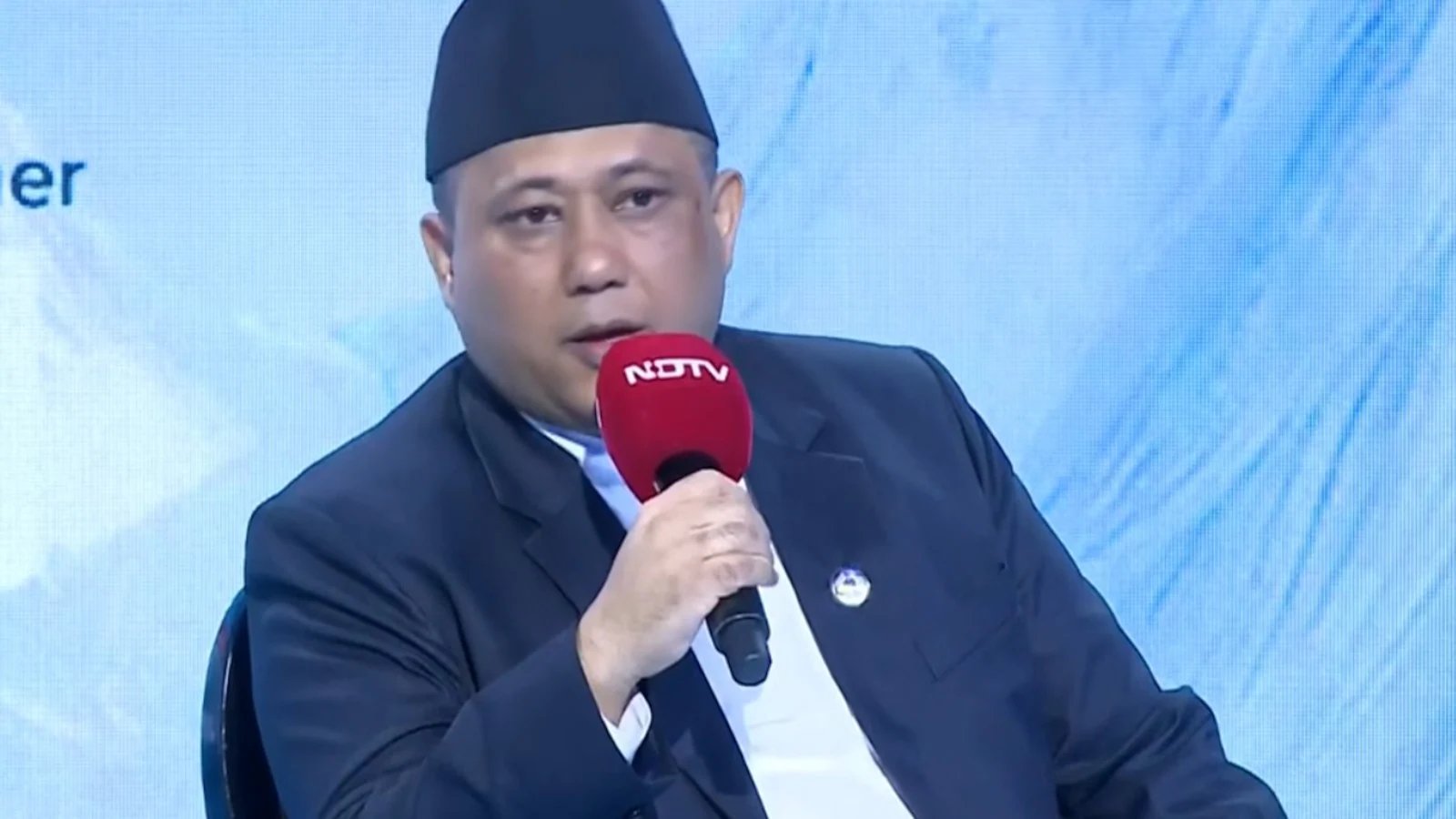
Nepal’s Foreign Minister, Shisir Khanal, provided a grim assessment of the disaster during the NDTV World Anviksha Summit in Kathmandu. Describing the event as one of the worst natural disasters to strike the country in recent memory, Khanal confirmed that the death toll has already reached 160, with the number expected to rise as search and rescue operations continue.
Hundreds of Foreign Nationals Unaccounted For
The scale of the tragedy extends beyond Nepal’s borders. Minister Khanal reported that approximately 500 foreign nationals are currently out of contact, including nearly 300 Indian citizens who were traveling through the affected region for the Kailash Mansarovar Yatra.
“Thousands of families have lost their homes, and thousands more remain untraced,” Khanal stated. “We are in constant communication with the embassies of affected nations, as we are as committed to the safety and well-being of foreign nationals as we are to our own citizens.”
A Call for Global Support and Rebuilding
In the immediate aftermath, the Nepalese government has prioritized search, rescue, and the delivery of emergency aid. Minister Khanal expressed deep gratitude to the government of India for its swift response and provision of relief materials.
“Right now, the focus is on rescue and immediate relief. Many from across the globe are supporting and empathizing with Nepal, and for that, we express our gratitude,” he said.
Looking toward the future, the minister made a passionate plea for the international community to continue supporting Nepal’s recovery efforts. A critical component of this rebuilding strategy, he noted, is the country’s tourism sector.
Khanal sought to reassure potential visitors that, despite the localized devastation, the majority of the country remains unaffected. “It is important that the world remains connected with Nepal and helps us rebuild. Tourism is critical to these efforts,” he explained. “Most tourist areas, including Pokhara and the Mount Everest region, remain open, safe, and welcoming to visitors.”
Resilience Amid Tragedy
Drawing on the nation’s past, Khanal projected an image of endurance. He pointed to the country’s recovery from the massive 2015 earthquake as evidence of Nepal’s collective strength.
“We have emerged stronger after past tragedies,” the minister concluded. “Nepal will rebuild itself again.”
As search teams continue to comb through the debris in the Rasuwa region, the government remains focused on establishing contact with the missing and providing humanitarian assistance to those left displaced by the surging waters.