







House Intelligence Chair Advocates for Unified “Joint Service” Model to Modernize Intelligence Gathering
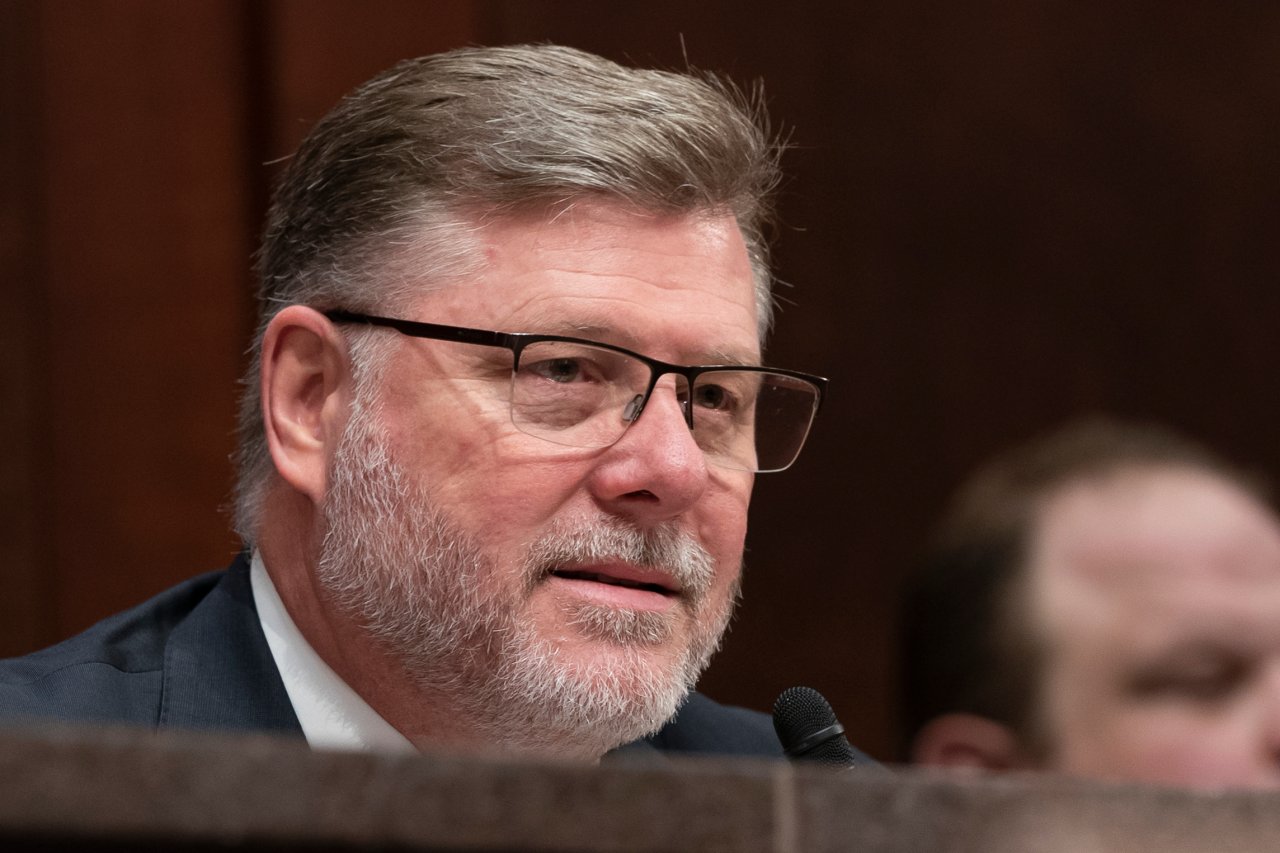
WASHINGTON — House Intelligence Committee Chairman Rick Crawford (R-Ark.) issued a clarion call on Wednesday for a fundamental restructuring of how the U.S. intelligence community manages information, urging agencies to transition toward a “joint service environment” to better counter evolving global threats.
Crawford emphasized that the current siloed nature of intelligence operations is a structural vulnerability. He argued that for the United States to maintain its strategic edge, the intelligence community must break down bureaucratic barriers, ensuring that lines of communication are not only open but fundamentally integrated across all agencies.
The Chairman’s remarks underscore ongoing intelligence concerns regarding the nation’s capacity to process and synthesize data in an era of rapid technological advancement. By adopting a joint service model—similar to the operational integration seen in the Department of Defense—Crawford envisions a framework where intelligence is treated as a shared resource, rather than being sequestered within agency-specific networks.
“We need to buy into a joint service environment,” Crawford stated, highlighting that the speed of modern state-sponsored threats requires a seamless exchange of data that current internal protocols often hinder.
The push for reform comes at a critical time as lawmakers grapple with complex geopolitical challenges. Proponents of the shift suggest that moving away from a decentralized, agency-first mentality toward a collaborative ecosystem will reduce duplication of effort and significantly enhance the speed at which actionable intelligence reaches policymakers.
While the proposed shift to a unified operational environment faces hurdles regarding inter-agency jurisdiction and data security, Crawford’s push reflects a growing consensus on Capitol Hill that the intelligence architecture of the 20th century is no longer sufficient for the security demands of the 21st.
The committee is expected to continue reviewing these structural proposals as part of its ongoing oversight of the intelligence community’s budget and strategic direction for the coming fiscal year.