






Breaking Barriers: New Strategies Proposed to Keep Girls in Indian Sport
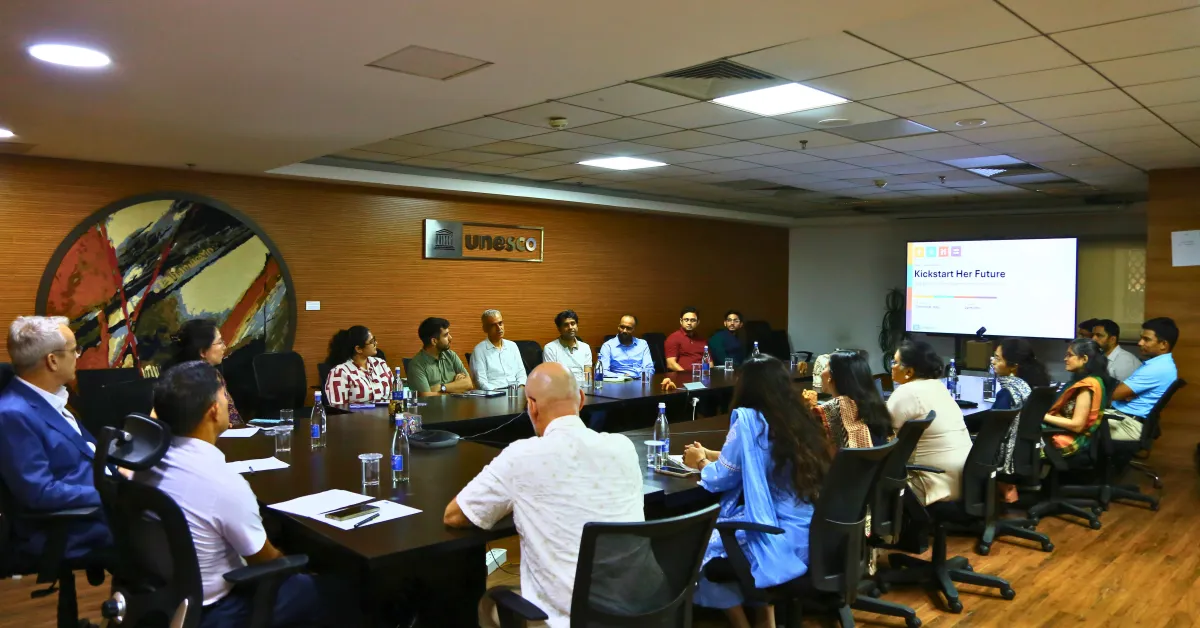
NEW DELHI – A roundtable discussion recently shed light on the critical need for a structural overhaul in how girls are supported within India’s sporting ecosystem. Experts and stakeholders gathered to chart a path toward a more inclusive environment, emphasizing that long-term participation requires more than just equipment—it requires a complete cultural shift.
Beyond the One-Off: Redefining Coach Training
A primary focus of the deliberations was the necessity of professionalizing coaching. Participants argued that coach training must move away from “one-off” workshops toward a model of continuous professional development.
This proposed framework combines long-term mentorship with the rigorous assessment of Master Trainers. Central to this curriculum is a non-negotiable emphasis on safeguarding, gender-sensitive communication, and the implementation of robust reporting mechanisms to ensure athlete safety.
A Collective Responsibility
The roundtable highlighted that the burden of keeping girls in sport cannot rest solely on the shoulders of coaches. Instead, panelists called for a “whole-of-community” approach. By fostering a coordinated effort between parents, teachers, school administrators, and local government officials, the stakeholders aim to create an environment where athletic pursuit is validated at home, in the classroom, and within the local administration.
Furthermore, participants identified a critical need for data-driven interventions. By pinpointing the exact age or developmental stage at which girls typically drop out of school sports, officials can implement proactive measures to prevent attrition before it occurs.
The Haryana Model: A Blueprint for Success
The discussion spotlighted Haryana’s sports nurseries as a beacon for the rest of the nation. As a community-based, women-led initiative, the model has demonstrated significant success by providing financial stability for both athletes and mentors. Through a system of stipends for young participants and consistent remuneration for coaches, the program ensures that sports remain a viable career pathway rather than an expensive hobby. The model is further bolstered by its connectivity to high-performance infrastructure, such as the residential sports excellence centre in Panipat.
The event, which served as a significant step in advancing safe and inclusive sport, underscored that when provided with the right institutional support and community backing, girls in India have the potential to excel on both the national and international stage. Moving forward, the goal remains to scale these successful pilot programs to ensure that every girl, regardless of her background, has the opportunity to thrive through sport.