





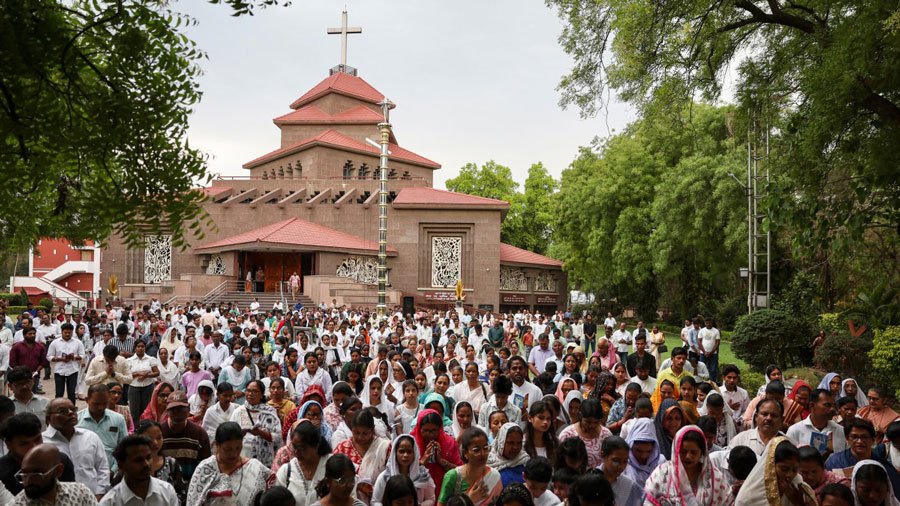
Mumbai Churches Implement Consent Forms Amid Rising Tensions Over Anti-Conversion Laws
BENGALURU – As the western Indian state of Maharashtra prepares to enforce the controversial Maharashtra Freedom of Religion Act 2026, the Christian community in Mumbai is adopting defensive measures to protect itself from potential legal harassment and vigilante violence.
Beginning this Sunday, congregants attending services across the Mumbai Metropolitan Area’s 4,000 churches will be asked to sign consent forms declaring that their participation is voluntary. Church leaders hope these documents will serve as a legal safeguard against accusations of forced conversion—a charge frequently leveraged by right-wing groups to disrupt prayer meetings.
“These consent forms are the least safety measure we can take to protect us from legal proceedings if anyone attempts to accuse the pastors or churches of forcibly converting people,” said Dolphy D’souza, spokesman for the Bombay Catholic Society.
A Climate of Vigilantism
The initiative comes against a backdrop of escalating hostilities. According to D’souza, there have been at least a dozen disruptions of prayer services in the region over the last six months, often carried out by groups claiming to act in defense of the Hindu faith. To bolster security, many churches have also begun installing CCTV cameras to document these confrontations.
The tension is exacerbated by the impending implementation of the Maharashtra Freedom of Religion Act, which officially takes effect on August 28. The law mandates that any individual seeking to change their faith must notify authorities 60 days in advance. Failure to adhere to these strictures can result in up to seven years of imprisonment for both the convert and the officiating religious leader.
Systematic Pressure
Maharashtra marks the 13th Indian state to adopt such anti-conversion laws, which critics argue are being used as political weapons to polarize the electorate and intimidate religious minorities.
Legal aid groups report a harrowing trend in states like Uttar Pradesh, where similar legislation has led to the detention or arrest of over 800 individuals. Activists argue that these laws disproportionately target marginalized communities—including Dalits, tribals, and women—by stripping them of their agency and personal freedom of choice.
Beyond religious regulations, the community is reeling from proposed amendments to the Foreign Contribution (Regulation) Act (FCRA). This bill would grant the government broad powers to seize assets, including schools and hospitals, if a non-profit’s funding license is suspended or revoked.
Global Scrutiny and Domestic Pushback
The legislative crackdown has drawn international concern, with U.S. lawmakers recently describing the moves as an attack on religious freedom. In response to mounting domestic and international pressure, the Indian government referred the controversial FCRA amendment to a joint parliamentary committee on August 12.
Despite this, civil society leaders remain skeptical. Activists point out that the government has already effectively shuttered thousands of non-profits by canceling or failing to renew their licenses, often without clear justification.
“They may polish the language,” said human rights activist John Dayal, “but given the wider environment of the government’s impatience for the concerns of religious minorities, it is unlikely to change.”
For now, the focus in Mumbai remains on the Sunday pews. By documenting the voluntary nature of their worship, the city’s Christians are attempting to navigate an increasingly restrictive legal landscape where their very right to pray has become a point of contention.