








The Art of Patience: Lessons Learned from a Five-Month 3D Environment Project
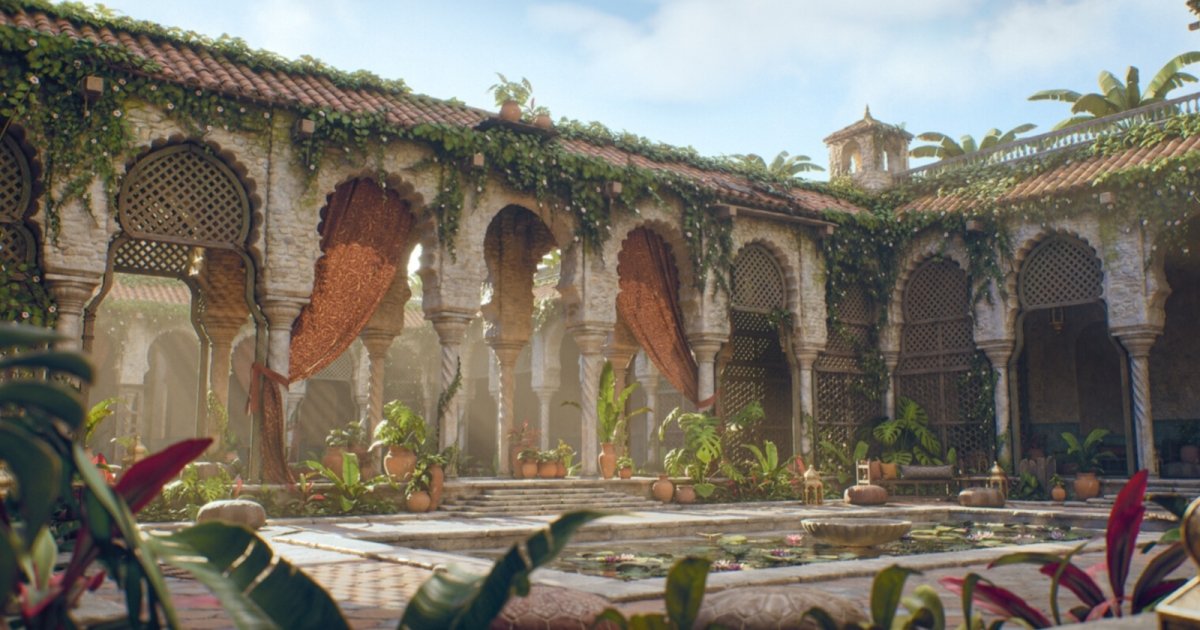
Building a high-fidelity 3D environment is often portrayed as a race against deadlines, but for many digital artists, the most rewarding work comes from a slow, deliberate pace. Recently, an artist completed a stunning courtyard project that spanned from February to July, proving that quality often requires the luxury of time.
Reflecting on the five-month journey, the creator emphasized that the project was never about speed, but rather about consistent, meaningful progress during spare moments. By integrating feedback from peers and colleagues throughout the development phase, the artist was able to iterate effectively, proving that a supportive network is essential for navigating the complexities of 3D design.
Overcoming Technical Hurdles
The project was not without its obstacles. One of the primary technical challenges involved custom shader development. The artist noted that while building a functional, high-quality shader from scratch was daunting, it served as a vital learning experience.
Furthermore, the environment required significant attention to detail regarding organic assets. While the artist had a general strategy for the vegetation, the scale of the task presented a new set of difficulties. Mastering the art of foliage proved to be one of the most transformative parts of the workflow, pushing the project’s visual fidelity to new heights.
Advice for Aspiring Environment Artists
For those looking to embark on a similar independent project, the creator offers three key pieces of advice:
- Prioritize Modular Planning: Map out your layout and key modules early. Understanding the structure before diving into production saves countless hours of rework.
- Embrace Peer Review: Never underestimate the value of external feedback. Having others challenge your creative choices will lead to a more polished final product.
- Respect the Creative Process: Creativity is not a competition. If you aren’t feeling productive on a given day, step away. Taking breaks is not a sign of failure—it is a vital part of the work that grants you a fresh perspective and renewed motivation upon your return.
Ultimately, the takeaway for the digital art community is simple: listen to yourself. Whether you are working on a professional portfolio piece or a personal passion project, giving yourself the space to learn and evolve is the most effective way to ensure long-term growth. When you work at your own pace and let the motivation come naturally, the resulting work is always better for it.