








Ambition Meets Skepticism: SpaceX Reveals Plans for Massive Louisiana Spaceport
SpaceX has unveiled a staggering $100 billion proposal to transform a remote stretch of Louisiana coastline in Vermilion Parish into what it describes as the world’s largest and busiest spaceport. While the project promises a massive economic windfall for the region, industry experts and environmental groups are already raising questions regarding the feasibility of the company’s aggressive timeline and the long-term impact of such a colossal industrial undertaking.
A New Frontier in the Bayou
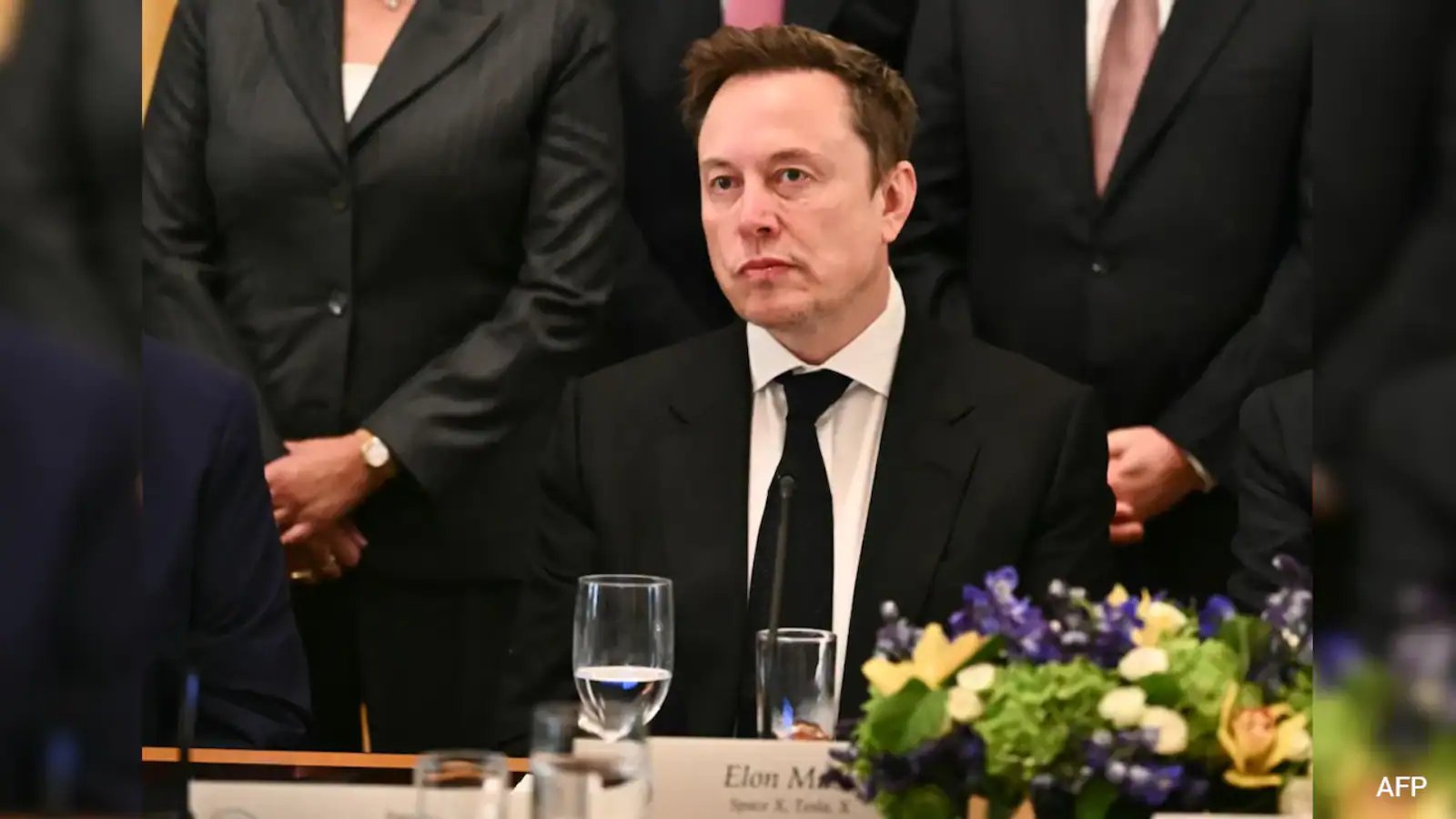
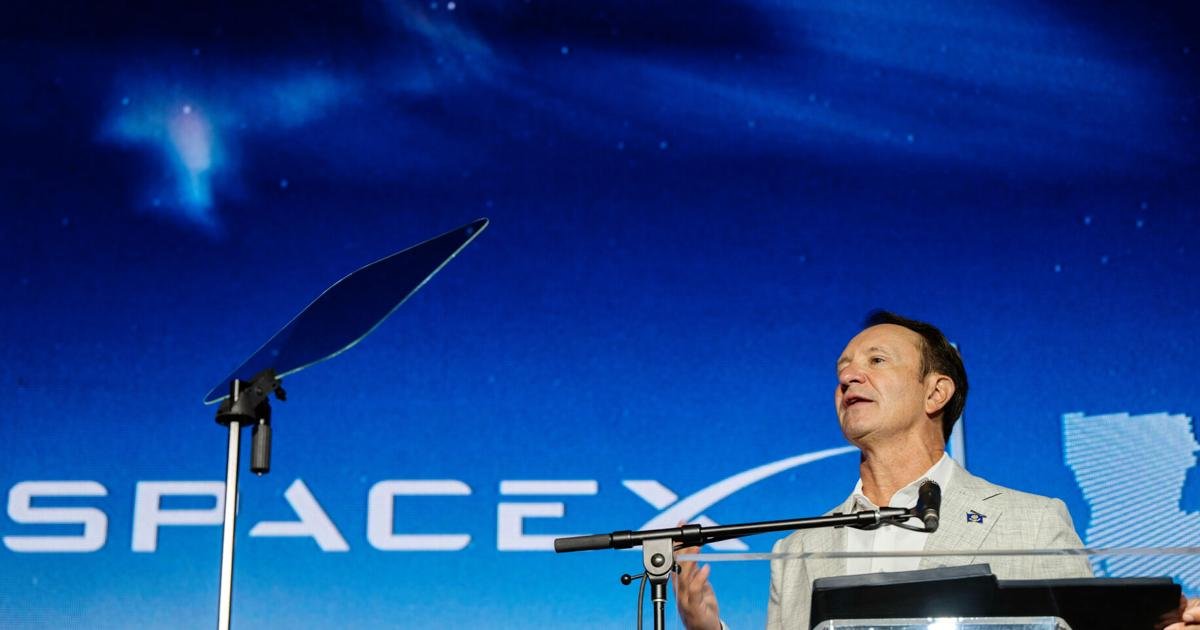
The project, announced Tuesday by Elon Musk and Louisiana Governor Jeff Landry, involves a $100 million purchase of 125,000 acres from the state. The land, which was previously at the center of a legal battle involving environmental concerns, now serves as the foundation for Musk’s vision: a facility capable of launching 30 rockets a day—a frequency comparable to a high-traffic commercial airport.
Governor Landry lauded the partnership, framing it as a transformative moment for the state. “In 1803, Louisiana gave America a continent,” Landry remarked. “Today, Louisiana and SpaceX will give America the stars.”
SpaceX President and COO Gwynne Shotwell estimates the site will create between 3,000 and 10,000 permanent jobs. With ground expected to be broken in 2027, the company is aiming for its first launch by 2029.
Solving the “Space Capacity” Crunch
For SpaceX, the Vermilion site is a strategic necessity. The company currently lacks a viable launch corridor over the Gulf of Mexico, which is required to place satellites into specific north-south orbits. This trajectory is essential for the next generation of government satellites and SpaceX’s planned “orbital data centers,” which aim to provide high-speed AI computing power from space.
Existing launch facilities at Cape Canaveral and Vandenberg Space Force Base are effectively reaching capacity, making the Louisiana site the ideal location to expand operations.
“Elon Time” vs. Reality
Despite the optimism from state leadership, aerospace observers remain cautious. Jonathan McDowell, an astrophysicist and industry analyst, notes that while SpaceX has a reputation for eventually achieving its goals, their timelines are notoriously optimistic—often referred to as “Elon time.”
“What they say they want to do, they usually end up doing,” McDowell said. “It usually takes them a lot longer than they say.”
A major technical hurdle remains: the Starship rocket itself. The 400-foot-tall vehicle is still in development. Kimberly Siversen Burke of the consulting firm Quilty Space described the rocket as an “engineering marvel,” comparing its launch to “launching a skyscraper.” Until Starship is fully operational, the capacity to support such an ambitious schedule remains theoretical.
Furthermore, analysts question if the global market can even produce enough satellites to justify 30 launches per day—a rate that would equate to nearly 11,000 launches annually.
Regulatory Rollbacks and Litigation
The project is unfolding against a backdrop of shifting federal policy. The Trump administration has proposed rule changes that would waive several federal environmental laws for commercial aerospace development, and the Louisiana Legislature has already passed measures to shield space companies from certain types of civil lawsuits.
These moves have drawn sharp criticism from environmental advocates like the Louisiana Wildlife Federation, who argue that the regulatory process is a critical safeguard. Rebecca Triche, the organization’s executive director, emphasized the necessity of federal oversight in such a fragile coastal ecosystem.
As the SpaceX $100 billion rocket launch facility moves from concept to reality, the debate centers on a core tension: the drive for unprecedented technological advancement versus the preservation of local regulatory integrity. While the promise of the stars is undeniably seductive, whether Musk can navigate the earthly hurdles of politics, law, and engineering remains to be seen.