








UP Board Moves Toward Digital Transformation: Schools Directed to Facilitate APAAR IDs for Classes 9–12
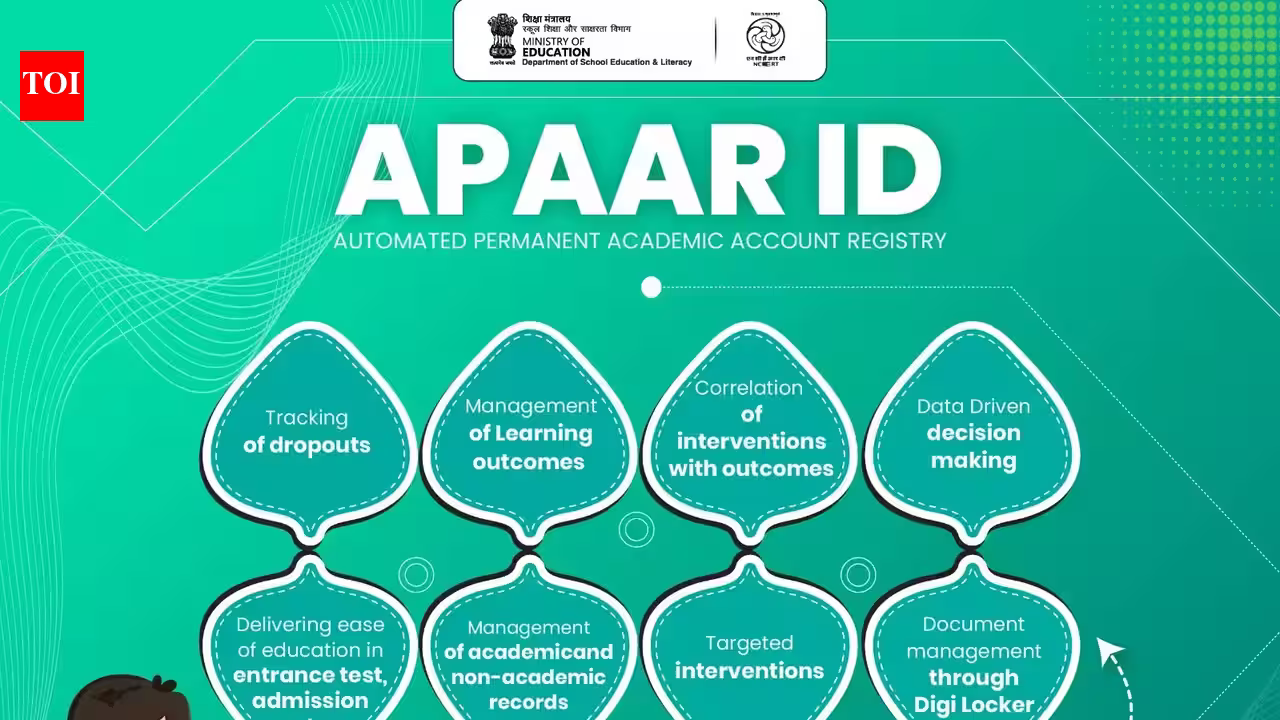
The Uttar Pradesh Madhyamik Shiksha Parishad (UPMSP) has initiated a significant push to digitize student academic records, directing schools across the state to facilitate the creation of Automated Permanent Academic Account Registry (APAAR) IDs for students in Classes 9 through 12.
As the state gears up for its upcoming academic cycles, the board has requested that school administrators ensure these unique identifiers are integrated into advance registration and examination application forms.
A New Era of Digital Academic Identity
The APAAR ID is a 12-digit permanent digital identity designed to serve as a comprehensive link to a student’s academic history. By integrating this system, the UP Board aims to streamline how students access and manage their credentials. Once linked, academic documents—ranging from marksheets to transfer certificates—can be stored and retrieved seamlessly via digital academic identity platforms like DigiLocker.
This shift is intended to move the education system away from a heavy reliance on physical documentation, making it easier for students to verify their qualifications for future university admissions, scholarship applications, and professional opportunities.
Balancing Compliance with Accessibility
While the UP Board is prioritizing the adoption of APAAR IDs, officials have sought to reassure students and parents that the registration process remains inclusive.
Currently, the APAAR ID is not a mandatory prerequisite for board examination applications or advance registration. Students who have not yet secured their ID will not be barred from completing their registration or participating in board exams. The board’s primary objective at this stage is to encourage widespread adoption and to ensure that as many students as possible have their digital records established before the final deadlines.
Parental Consent and School Responsibility
The creation of an APAAR ID is a voluntary process that strictly requires the consent of a parent or guardian. Consequently, the UP Board has instructed school principals and teachers to work closely with families to explain the benefits of the digital registry and obtain the necessary permissions.
Principals have been tasked with overseeing this transition, ensuring that the necessary details are entered into the board’s portal alongside the ongoing registration processes for Class 9/11 advance registration and Class 10/12 exam applications.
By integrating these digital efforts into the standard administrative workflow, the UP Board is taking a decisive step toward a more secure, accessible, and paperless future for students across the state.