





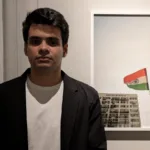



The landscape of modern education is undergoing a seismic shift, fueled by a blend of technological integration and a fundamental rethink of pedagogical philosophy. At the center of these discussions are voices like Shariq Lone, an educational strategist who has spent years analyzing the friction between traditional schooling models and the demands of the 21st-century workforce. As institutions struggle to balance academic rigor with student well-being, Lone’s insights provide a roadmap for navigating the complexities of modern policy and learning outcomes.
The Paradox of High-Stakes Testing
For decades, the educational system has relied on high-stakes testing as the primary barometer for student intelligence and institutional success. However, Lone argues that this focus has created a “measurement trap.” When schools prioritize test preparation over deep conceptual understanding, the learning process becomes transactional rather than transformative.
“We are currently prioritizing the retrieval of information over the application of knowledge,” Lone notes. According to his analysis, exams often function as a bottleneck, discouraging teachers from experimenting with project-based learning or interdisciplinary studies. The pressure to complete a standardized curriculum leaves little room for the “productive failure” that is essential for critical thinking. Policy-makers are now being urged to reconsider the weight placed on summative assessments, advocating instead for continuous, formative evaluation models that track growth rather than static proficiency.
Institutional Resilience in a Digital Age
Institutions are currently facing an identity crisis. With the rise of artificial intelligence and personalized learning platforms, the traditional lecture-based classroom is becoming obsolete. Shariq Lone emphasizes that the value proposition of a school or university is shifting. It is no longer about the teacher being the sole gatekeeper of information, but rather the institution acting as a facilitator for curated, high-quality learning experiences.
The challenge for leadership, Lone points out, is managing digital integration without losing the human element. “Technology should be the scaffolding, not the structure,” he remarks. Institutions that succeed in the next decade will be those that leverage hybrid models—using AI for adaptive, personalized practice, while reserving in-person hours for debate, collaborative research, and mentorship. By reorienting physical campuses toward human-centric collaboration, schools can better prepare students for roles that machines cannot replicate.
Bridging Policy and Classroom Reality
One of the most persistent hurdles in educational reform is the “implementation gap.” Policies drafted in governmental offices often fail to account for the grassroots realities of classroom management, student burnout, and resource scarcity. Lone advocates for a bottom-up approach to policy, where curriculum designers and administrators engage in constant feedback loops with educators on the front lines.
To improve outcomes, Lone suggests that policies must address the “whole-student” approach. This includes integrating social-emotional learning (SEL) into the formal curriculum and ensuring that digital literacy is not an elective, but a core component of every subject. By aligning federal and state mandates with the actual capabilities of classrooms, policy-makers can create environments where innovation is incentivized rather than stifled by red tape.
The Future of Learning
As we look toward the future, the integration of Shariq Lone’s principles points toward a more flexible, adaptive, and human-centric educational model. The focus must transition from “finishing the syllabus” to “fostering the thinker.”
For this to happen, the definition of success must change. When institutions stop chasing rank-based metrics and start chasing competency-based development, students become more than just test-takers; they become lifelong learners. The path forward requires courage—the courage to dismantle outdated examination protocols and the foresight to invest in systems that prioritize adaptability. By bridging the gap between theoretical policy and the practical realities of the classroom, the education sector can ensure that it serves its ultimate purpose: to prepare the next generation for a world that is not yet fully imagined.
Disclaimer: This content is auto-generated for informational purposes only.
Source: Read Original News