







The Hardware Transition to Touch ID on the iPhone Duo
The release of the iPhone Duo has brought a significant shift in biometric authentication strategy. After years of refinement within the Face ID ecosystem, Apple has opted for a side-mounted Touch ID sensor for this latest hardware iteration. This change has triggered a wave of feedback from technical reviewers, highlighting a stark contrast in user experience compared to the seamless, gaze-based unlocking mechanism that has defined the iPhone experience since 2017.
Touch ID, while historically reliable, operates fundamentally differently than Face ID. Whereas Face ID is passive and near-instantaneous—requiring only that the user glances at their device—Touch ID necessitates an intentional physical interaction. On the iPhone Duo, this interaction occurs via the side power button. For long-time users accustomed to the “pick up and unlock” nature of modern iPhones, this return to physical contact represents a notable departure from the frictionless authentication flows they have integrated into their daily routines.
Analyzing the Intentional Unlock Delay
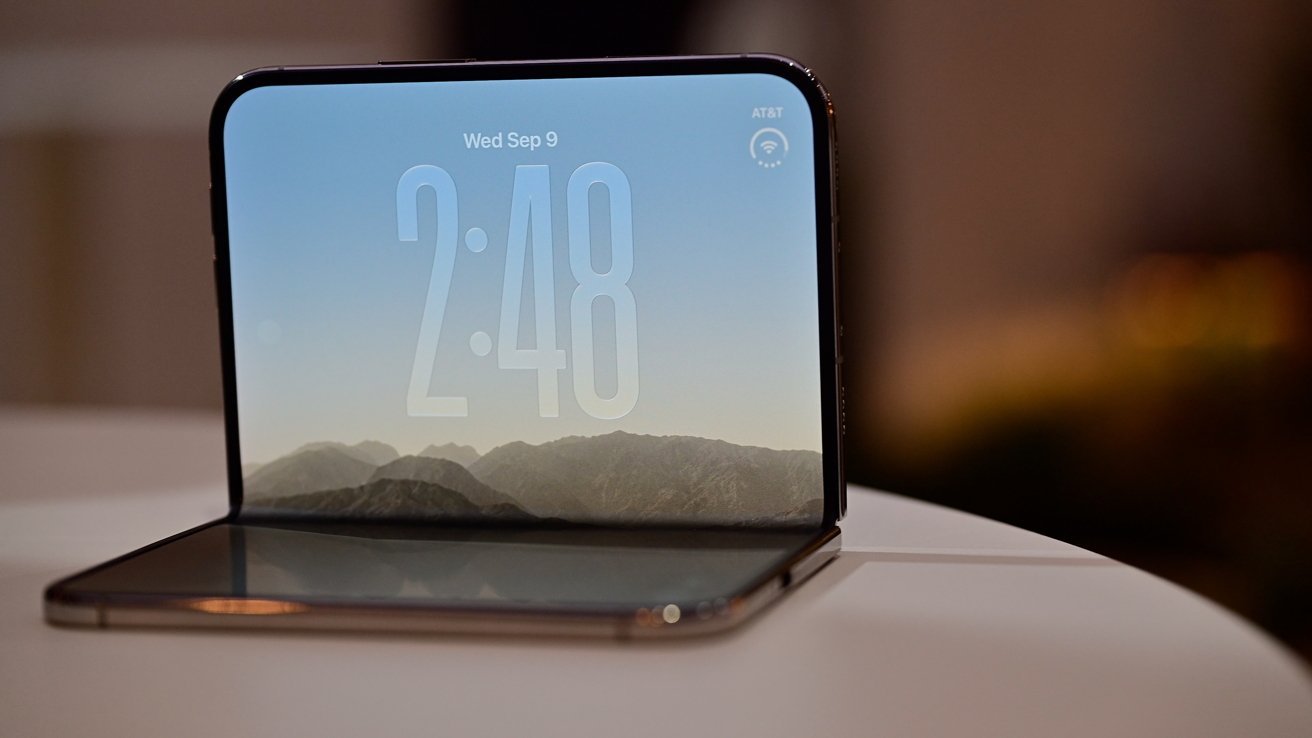
One of the most discussed aspects of the iPhone Duo experience is an intentional delay programmed into the fingerprint sensor logic. According to reports from early testers and tech reviewers, when a user places their finger on the sensor, the device does not immediately jump to the Home Screen. Instead, it pauses on the Lock Screen, allowing the user to view pending notifications. If the user maintains contact with the sensor, the phone proceeds to the primary interface.
Apple’s implementation suggests a design philosophy centered on notification management. By holding the authentication process in a middle state, the device provides a window of visibility for alerts, messages, and widgets before the user is fully immersed in the system. While technically robust, this functionality has proven divisive. Many users, habituated to the speed of Face ID, perceive this delay as a performance lag rather than a feature. The inability to disable this behavior in the current software build has become a point of contention for those who prefer an immediate entry into their device.
Operational Challenges and Ergonomic Constraints
Beyond the software-side pause, the physical nature of side-mounted biometric sensors presents distinct ergonomic hurdles. Reviewers have noted that the efficiency of Touch ID on the iPhone Duo can fluctuate based on environmental and physical factors. Issues such as residual moisture, oily residues, or the use of heavy winter gloves—factors that traditionally plagued older Touch ID models—remain relevant challenges. Furthermore, the positioning of the sensor can lead to accidental inputs when simply handling or repositioning the device, often resulting in haptic error feedback that some users describe as intrusive.
Orientation also plays a role in the effectiveness of the sensor. Feedback indicates that the placement is particularly optimized for landscape usage, which may feel counterintuitive to users who primarily handle their devices in portrait orientation. Consequently, the reliance on a specific finger-to-sensor alignment adds a layer of manual coordination that contrasts sharply with the “eyes-on” authentication of the legacy Face ID system.
The Integration of Apple Watch as an Alternative
A recurring theme in recent reviews is the symbiotic relationship between the iPhone Duo and the Apple Watch. Because the watch can act as a secondary authentication factor, it serves as a critical bridge for those finding the side-button sensor cumbersome. Reviewers have observed that utilizing Apple Watch-based unlocking significantly reduces the friction associated with the device’s primary security measure. By bypassing the need to touch the side button altogether in trusted environments, the watch restores a level of convenience that mirrors the absent Face ID.
This development underscores Apple’s broader ecosystem strategy: when one hardware feature presents a barrier, the company provides a peripheral solution to offset the inconvenience. For power users and those deeply embedded in the Apple product cycle, the combination of an iPhone Duo and an Apple Watch appears to be the recommended configuration to minimize the impact of the new authentication requirements.
Impact on Authentication and Payment Workflows
The transition to Touch ID has practical implications for secure transactions, specifically regarding Apple Pay. Face ID allows users to authorize payments with a simple glance while the device is near a terminal. With the iPhone Duo, users must remember to engage with the side button to verify their identity. This process requires a conscious change in motor habits, particularly for users who frequently authenticate payments in public or retail environments.
The adjustment period for this workflow shift varies from user to user. Some industry analysts suggest that while the learning curve is steep initially, it can be navigated within a week or two of consistent use. However, for those who prioritize rapid, non-contact interactions, the lack of a facial recognition alternative is viewed by some as a significant step backward. As the tech community continues to evaluate the iPhone Duo, it is clear that while the fingerprint sensor is reliable, the loss of the frictionless biometric standard set by Face ID remains the most significant point of debate. The device ultimately forces a choice between a familiar, high-security fingerprint methodology and the modern, passive convenience that defined previous generations.
Disclaimer: This content is auto-generated for informational purposes only.
Source: Read Original News