








The Global Divide: How Transgender Athletes and Gender-Eligibility Rules are Reshaping Sports
The return of former Mumbai Under-19 cricketer Anaya Bangar to the pitch has reignited an intense, global debate that transcends individual matches: the role of transgender athletes in competitive sport. As sports governing bodies across the world grapple with the tension between inclusion and biological fairness, the discourse is evolving rapidly, moving beyond the cricket field and into the highest echelons of international competition.
A New Chapter for Cricket
Anaya Bangar’s transition began in 2022, and she has recently received clearance from Cricket Australia to return to women’s community cricket. While she can participate in Premier Cricket immediately, her pathway to elite-level competition from March 2027 remains strictly conditional. She must maintain serum testosterone levels below a mandated threshold and satisfy all ongoing policy requirements.
The decision has not been without detractors. South African star Marizanne Kapp publicly criticized the ruling, labeling it “absolutely ridiculous” and voicing strong opposition to the inclusion of transgender women in the women’s game. This friction highlights a broader challenge: how to create equitable environments when biological and policy definitions of gender collide.
The Shifting Olympic Landscape
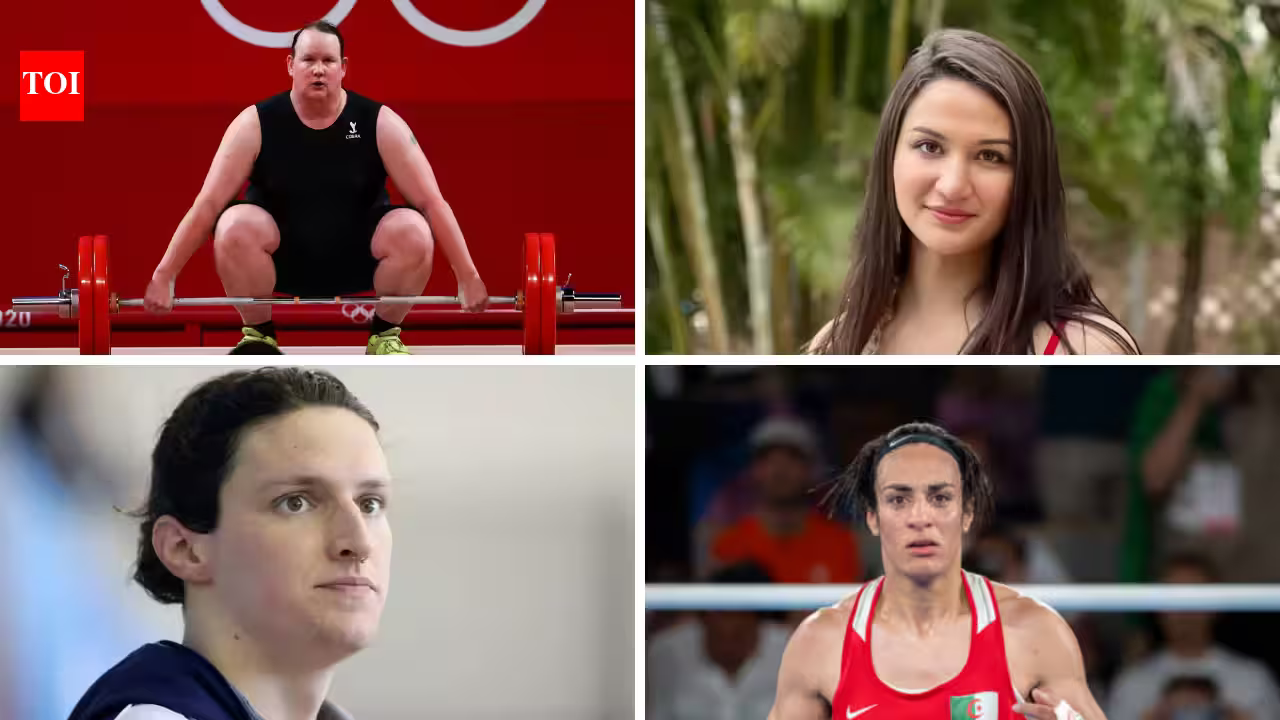
The international sports community has witnessed a pendulum swing regarding these policies, most notably at the Olympic level. New Zealand weightlifter Laurel Hubbard became a symbol of inclusion when she competed in the Tokyo 2021 Games, marking the first time an openly transgender woman participated at the Olympics.
However, the International Olympic Committee (IOC) has since pivoted. By the Los Angeles 2028 Games, new protocols will ensure that those who do not meet strict biological-sex eligibility requirements will be barred from women’s events, marking a significant hardening of the rules compared to the Tokyo era.
From College Pools to Cycling Tracks
The conversation is equally heated in the United States and Europe. Swimmer Lia Thomas became a lightning rod for the debate in 2022 when she claimed an NCAA Division I title, sparking nationwide discussions on Title IX and competitive parity. The issue reached the judicial system in 2026, when the US Supreme Court ruled that states like West Virginia and Idaho could legally restrict transgender athletes from female teams, prioritizing biological-sex categories.
Similarly, in professional cycling, British rider Emily Bridges found herself at the center of a storm after being ruled ineligible for the National Omnium Championships. This high-profile case pushed the Union Cycliste Internationale (UCI) to update its global policy, banning transgender women who transitioned after male puberty from competing in international women’s events—a move the body stated was essential to preserve “equal opportunities.”
Misconceptions and Complexities: The Case of Imane Khelif
The debate is often further complicated by cases that are mistakenly grouped with transgender eligibility. The most prominent example is Algerian boxer Imane Khelif, who won gold at the Paris 2024 Olympics. Although she faced intense scrutiny and was disqualified from the 2023 World Championships by the International Boxing Association (IBA) due to ambiguous eligibility concerns, Khelif is not a transgender athlete. The controversy exposed deep fractures between the IBA and the IOC, leaving the public to decipher the difference between sex-development variations and gender identity.
The WNBA and the Path Forward
The discourse has now permeated professional basketball, with Indiana Fever’s Sophie Cunningham recently sparking a public conversation about transgender inclusion in the WNBA. While there are currently no openly transgender players in the league, commissioner Cathy Engelbert has acknowledged the urgency of the issue, confirming that the organization is in ongoing discussions to establish its own definitive policy.
As the industry continues to monitor these developments, it is clear that the gender-eligibility debate is far from settled. Governing bodies remain tasked with the unenviable challenge of balancing the fundamental human right to participate in sport with the mandate to maintain a level playing field for female athletes.