









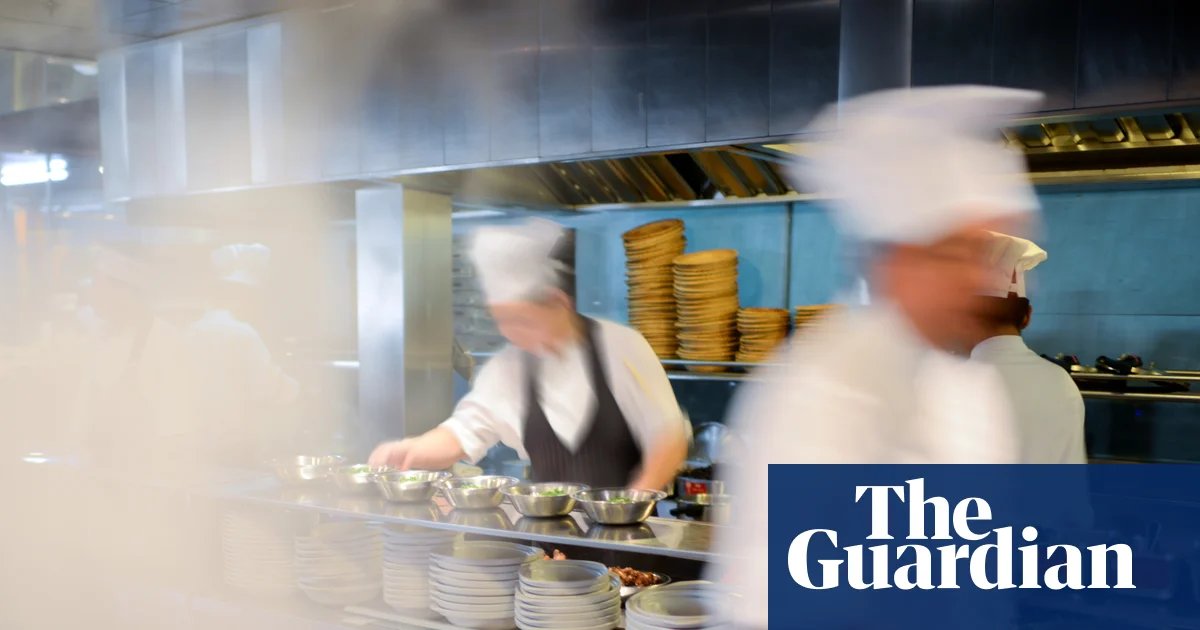
Culinary Cooling: Why Chefs Are Ditching Gas for Induction to Survive Record Heatwaves
Leaping flames, blistering temperatures, and the relentless hum of industrial ventilation have long been the hallmarks of a professional kitchen. However, as successive summer heatwaves push working conditions to dangerous levels, a growing number of chefs are concluding that the traditional “theatre of fire” is no longer sustainable.
With UK kitchens forced to reduce hours or cease operations entirely as temperatures soar, the industry is facing a reckoning. Despite urgent calls from the TUC for a legal maximum working temperature, thousands of culinary staff continue to toil in “furnace-like” environments. Now, a quiet revolution is taking hold: the widespread transition from gas hobs to electric induction cooking.
The Science of the Switch
The primary benefit of induction is immediate and physical. Unlike gas, which vents immense amounts of ambient heat into the surrounding air, induction hobs heat only the pan itself. This technological shift can lower kitchen ambient temperatures by as much as 10°C, creating a far more tolerable environment for staff.
For many chefs, the primary barrier to adoption has been tradition. Jeremy Pang, a third-generation Chinese chef and founder of the School of Wok, admits he was initially skeptical. “There is that sense of theatre with fire and flames,” Pang explains. “It feels quite traditional and exciting.”
Yet, his experience has been transformative. Pang found that induction technology easily hits the 350-400°C temperatures required to achieve the elusive wok hei—the characteristic “breath of the wok” flavor profile. “We use carbon steel with oil, and you can still get that actual smoke and flavour that you would with gas,” he says. “Gas cookers are incredibly good equipment, but you get so much heat off them; it’s a huge problem.”
Beyond Temperature: Efficiency and Safety
The benefits of induction extend far beyond cooling. A report from the Global Cooksafe Coalition indicates that the economic case for switching is compelling. One gastropub featured in the report managed to cut its energy usage by two-thirds, saving £9,000 annually and positioning itself to recoup the costs of the retrofit within just three years.
For restaurant owners, the “hidden” savings are significant:
- Reduced Overhead: With less ambient heat, air conditioning and refrigeration systems run more efficiently.
- Cleaning Time: Induction surfaces are flat and cool-to-touch, drastically reducing deep-cleaning times.
- Acoustics: The silence of induction hobs has allowed chefs to communicate without shouting, fundamentally altering the workplace atmosphere.
Chantelle Nicholson, who made induction the centerpiece of her Mayfair restaurant, Apricity, highlights the health and safety advantages. Beyond the reduction in physical burns, Nicholson points to emerging evidence that gas cookers emit harmful pollutants that have been linked to asthma and other respiratory issues. “To me, electric is clearly the way forward,” she says, noting that her kitchen’s calm environment has become a standout feature for diners.
A Call for Policy Reform
Despite the clear advantages for staff health, climate goals, and the bottom line, widespread adoption remains hampered by the high relative cost of electricity.
Camilla Born, chief executive of Electrify Britain, argues that government intervention is the missing piece of the puzzle. “The prime minister has made some welcome moves on business rates, but his government can go further,” Born says. She advocates for the removal of levies and policy costs from electricity bills, arguing that making electricity cheaper is essential to encourage businesses to abandon fossil-fuel-reliant cooking systems.
As extreme weather becomes a regular feature of the British summer, the choice for the restaurant industry is becoming increasingly binary: adapt to the changing climate, or face an increasingly volatile and unsafe future. For pioneers like Pang and Nicholson, the flame may be traditional, but the future is undeniably electric.