








Energy Bills to Rise: British Gas Expert Reveals the Top Three Household “Guzzlers”
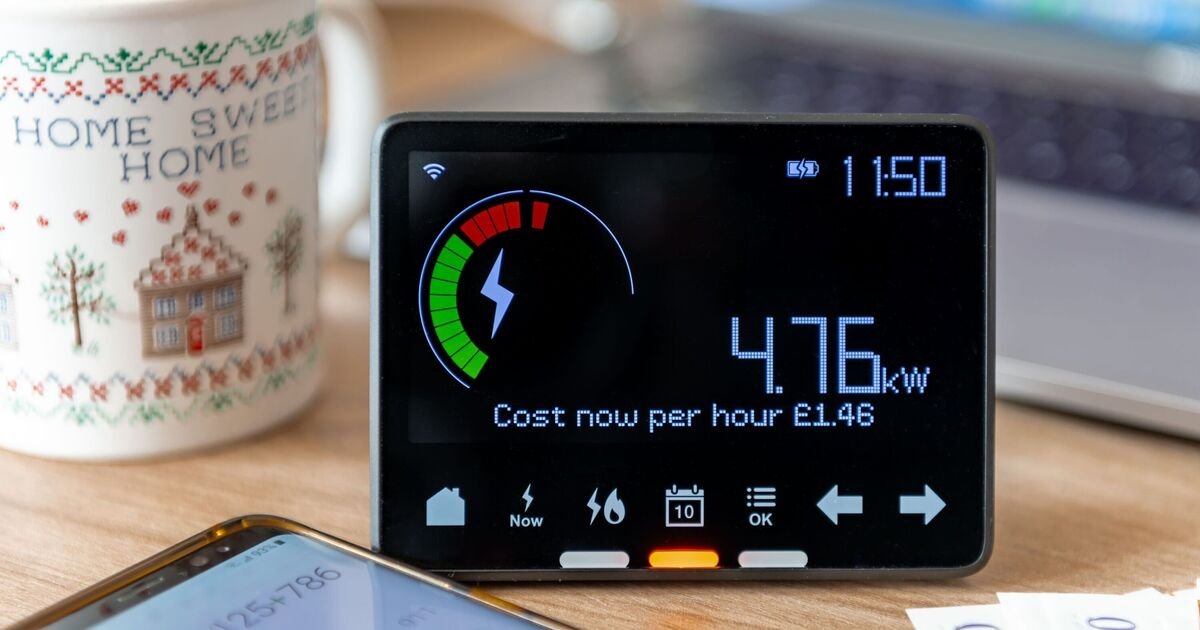
As UK households brace for an impending hike in utility costs, a senior professional from British Gas has identified the primary culprits responsible for draining energy—and your bank account. With the cost-of-living crisis showing little sign of abating, understanding how to manage your home’s power consumption has become more critical than ever.
Following the latest announcement from the energy regulator Ofgem that the price cap is set to climb this October, many families are urgently seeking ways to trim their monthly outgoings. Hannah Folley, a Smart Energy Engineer at British Gas, has stepped forward to shed light on how residents can take control of their energy usage by identifying the most significant energy-hungry appliances in the home.
The “Big Three” Energy Culprits
According to Folley, while many homeowners focus on turning off lights or standby electronics, the most significant savings are found by targeting devices that require high levels of power to generate heat.
“When it comes to the biggest energy guzzlers in the home, electric showers, tumble dryers, and ovens are three appliances to keep an eye on,” Folley explained. “They all need a lot of energy to generate heat, so how often and for how long you use them can have a noticeable impact on your bills.”
- Electric Showers: Because these systems heat water on demand rather than pulling from a pre-heated tank, they are particularly energy-intensive.
- Tumble Dryers: These machines require substantial electricity to generate the consistent heat necessary to dry clothing effectively.
- Ovens: Often misused for small items or kept on for extended periods, ovens are major consumers. Folley advises cooking multiple items at once to maximize efficiency.
Simple Habits, Significant Savings
Folley emphasizes that homeowners do not necessarily need to sacrifice their lifestyle to see a reduction in their bills. Small, intentional habit changes can lead to compounding savings over time.
She suggests keeping shower times short, opting for air-drying clothes on racks instead of using the dryer whenever possible, and batch-cooking meals to make the most of a pre-heated oven. “These simple habits can help reduce the amount of energy you use without changing the way you live at home,” she added.
The Context: Rising Costs Ahead
The expert’s advice arrives at a difficult time for British consumers. On Wednesday, Ofgem announced a 4% increase in the energy price cap, effective from October 1 to December 31.
For the average household paying by direct debit, the cap—which currently sits at £1,663—will rise to £1,723 per year. This represents an additional £60 annually, or roughly £5 per month. The regulator attributed the increase to volatility in global wholesale gas markets, driven largely by ongoing instability in the Middle East.
While the regulator notes that prices remain significantly lower than the peaks seen during the height of the 2022 energy crisis, the rise will still be felt by the roughly 65% of households currently on default tariffs. The remaining 35% of households on fixed-rate tariffs are expected to be shielded from this specific adjustment.
As energy costs remain a volatile factor in household budgeting, experts suggest that identifying these “guzzlers” and optimizing their use remains the most effective defensive measure for families looking to protect their finances this winter.