








Indian Prime Minister Narendra Modi Departs for Central Asia, High-Stakes Diplomacy Ahead
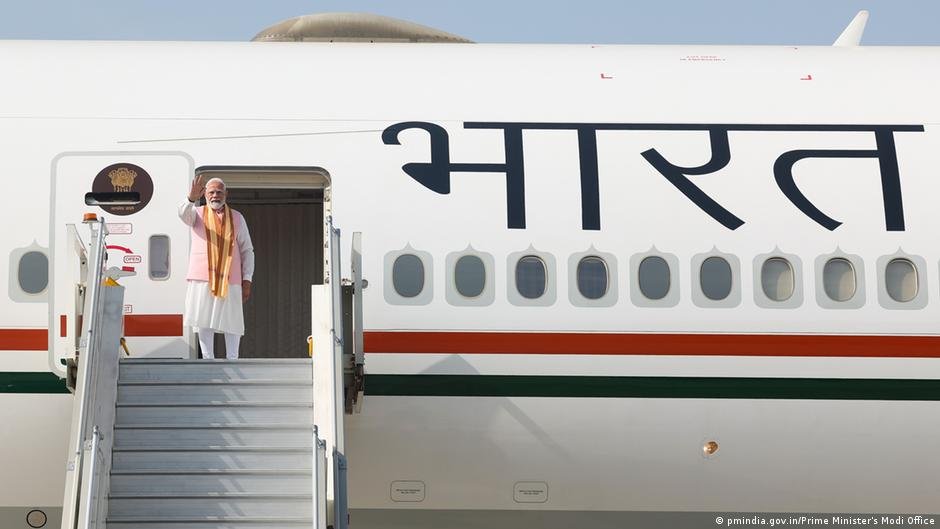
New Delhi — Indian Prime Minister Narendra Modi has embarked on a pivotal four-day diplomatic mission to Central Asia, aiming to bolster regional ties and address pressing security and economic cooperation as he travels to Uzbekistan and the Kyrgyz Republic.
The visit, which began on Friday, comes as India seeks to solidify its influence in the region amidst a shifting geopolitical landscape. Modi’s itinerary includes a state visit to Uzbekistan for extensive bilateral discussions with President Shavkat Mirziyoyev, followed by participation in the 26th Shanghai Cooperation Organisation (SCO) Summit.
Strengthening Strategic Ties with Uzbekistan
Ahead of his departure, Prime Minister Modi emphasized the importance of the visit, noting that he intends to discuss avenues for “deepening our cooperation in trade and investment, digital connectivity, defence, and energy.”
The dialogue is expected to center on aligning the national development agendas of both leaders: India’s “Viksit Bharat” (Developed India) vision and President Mirziyoyev’s “Yangi Uzbekistan” (New Uzbekistan) initiative. Following a welcoming dinner on Saturday, the two heads of state will hold formal bilateral meetings at the Presidential Palace in Tashkent on Sunday.
The focus on digital connectivity and energy highlights New Delhi’s broader strategy to enhance infrastructure links with Central Asia, a region that serves as a critical strategic corridor.
SCO Summit and High-Level Talks
Following his engagement in Uzbekistan, Modi will travel to the Kyrgyz Republic to attend the central Asian tour, where the 26th SCO Summit will serve as the backdrop for significant multilateral and bilateral diplomacy.
A key highlight of the summit will be a scheduled meeting between Prime Minister Modi and Russian President Vladimir Putin. This encounter is highly anticipated by international observers, as it offers a platform to discuss the ongoing global security environment and bilateral relations between the two long-standing partners.
Regional Context: Disaster Response
Modi’s departure takes place while New Delhi is managing a significant humanitarian crisis in the neighboring Himalayan region. Hundreds of Indian citizens remain missing or stranded following devastating flash floods in Nepal and the Tibet region of China. Many of those affected were pilgrims visiting the sacred Kailash Mansarovar site or laborers working in Nepal.
The Ministry of External Affairs confirmed that Indian embassies in Kathmandu and Beijing are coordinating closely with local authorities to expedite rescue efforts. India has already dispatched multiple tranches of aid to assist in the relief operations, even as the Prime Minister shifts focus to the regional summits in Central Asia.
As the international community watches these developments, the four-day tour is being viewed as a critical test of India’s diplomatic agility in balancing domestic crises with its evolving strategic interests in the SCO bloc.