









India-US Trade Deal Nears Finalization as Negotiations Reach Critical Stage
Washington: A long-awaited trade agreement between India and the United States appears to be entering its final stretch, with US President Donald Trump signaling that a deal is “pretty close” to being concluded. The discussions, which have spanned over eighteen months, are now poised to reshape the economic relationship between the two global powers.
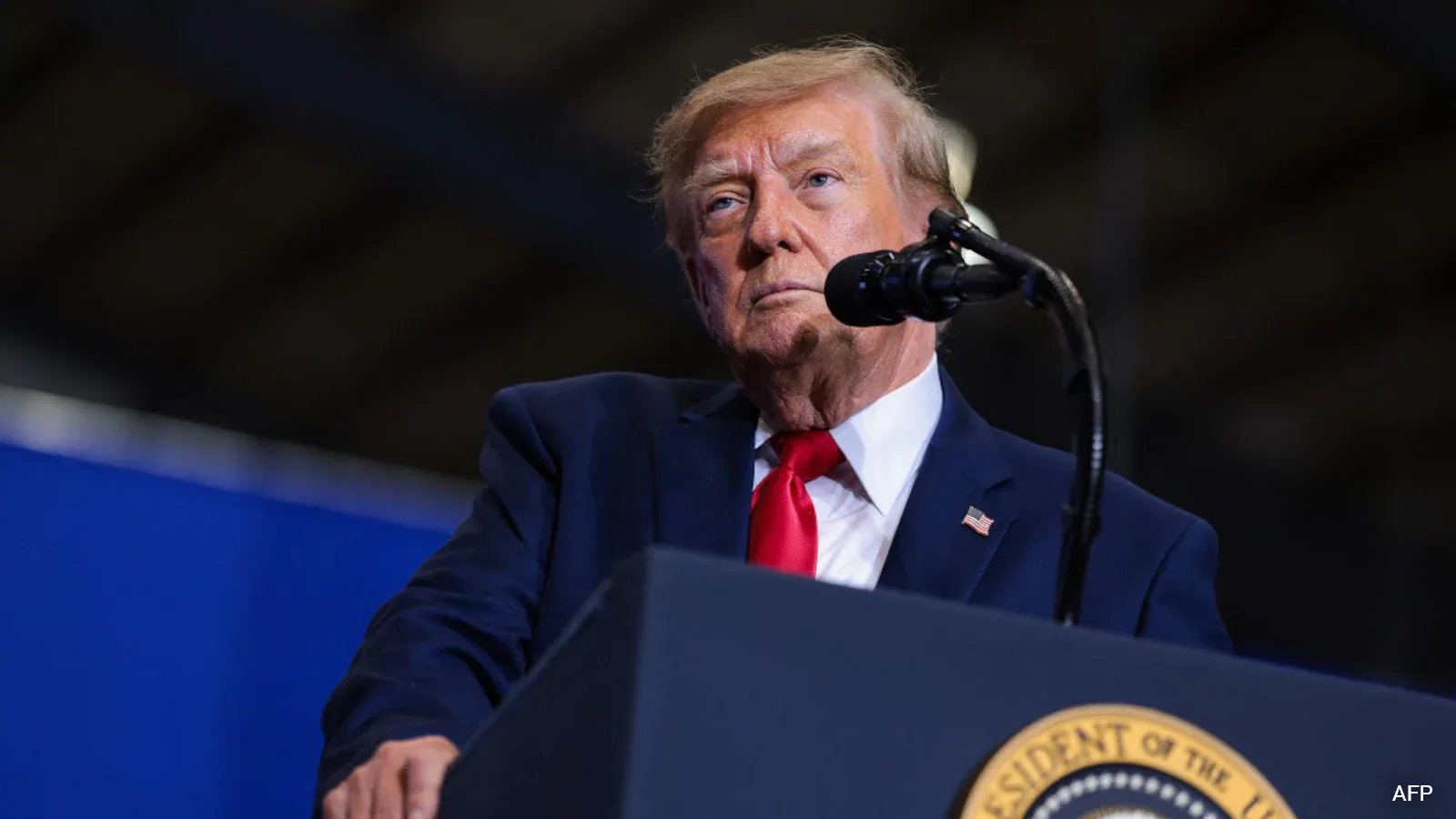
Speaking to reporters from the Oval Office, President Trump expressed optimism regarding the progress of the talks. While the administration has been tight-lipped about the specific nuances of the arrangement, the President hinted that the finalized framework would deviate significantly from historical precedents set by previous trade agreements.
“They want to make a deal. We’re going to make a deal. Pretty close, yeah,” Trump stated, adding that the nature of this compact would be “a much different kind of deal” than those Washington has inked in the past. Although the President stopped short of providing a concrete timeline or identifying the specific sticking points currently under negotiation, his remarks underscore a renewed sense of urgency to finalize a partnership that holds significant weight for international investors and corporate sectors in both nations.
Diplomatic Momentum and High-Level Engagement
The positive outlook from the White House coincides with intense diplomatic activity between New Delhi and Washington. Secretary of State Marco Rubio is currently in India for high-level deliberations with External Affairs Minister S. Jaishankar. Their agenda covers a broad spectrum of critical sectors, including energy, defense, technology, and strengthened people-to-people ties.
The political timing is notable. In a recent exclusive interview, Secretary Rubio suggested that the conclusion of the trade deal is a matter of “weeks, not months,” providing a more specific window than the White House. This sentiment follows recent face-to-face meetings between Indian Commerce Minister Piyush Goyal and US Trade Representative Jamieson Greer, who have held strategic discussions in both Milwaukee and Washington to iron out the technicalities of the arrangement.
Strategic Economic Objectives
The proposed deal aims to dismantle long-standing trade barriers, focusing on a more reciprocal approach to market access. Under the second Trump administration, the focus of US economic policy has shifted heavily toward addressing tariff structures and ensuring that foreign markets offer equitable opportunities for American businesses.
For India, the stakes are substantial. The negotiations have far-reaching implications for key export sectors, including the pharmaceutical industry, engineering goods, electronics, textiles, and the robust IT services sector. Conversely, American corporations have maintained a keen interest in penetrating India’s burgeoning consumer market and expanding their footprint in the country’s growing manufacturing landscape.
As negotiators from both sides work to reconcile differences over regulatory standards and agricultural goods, the global trade community remains watchful. With both nations signaling that a resolution is within sight, the upcoming weeks are expected to be decisive in determining the future trajectory of the India-US economic corridor.
Disclaimer: This content is auto-generated for informational purposes only.
Source: Read Original News