









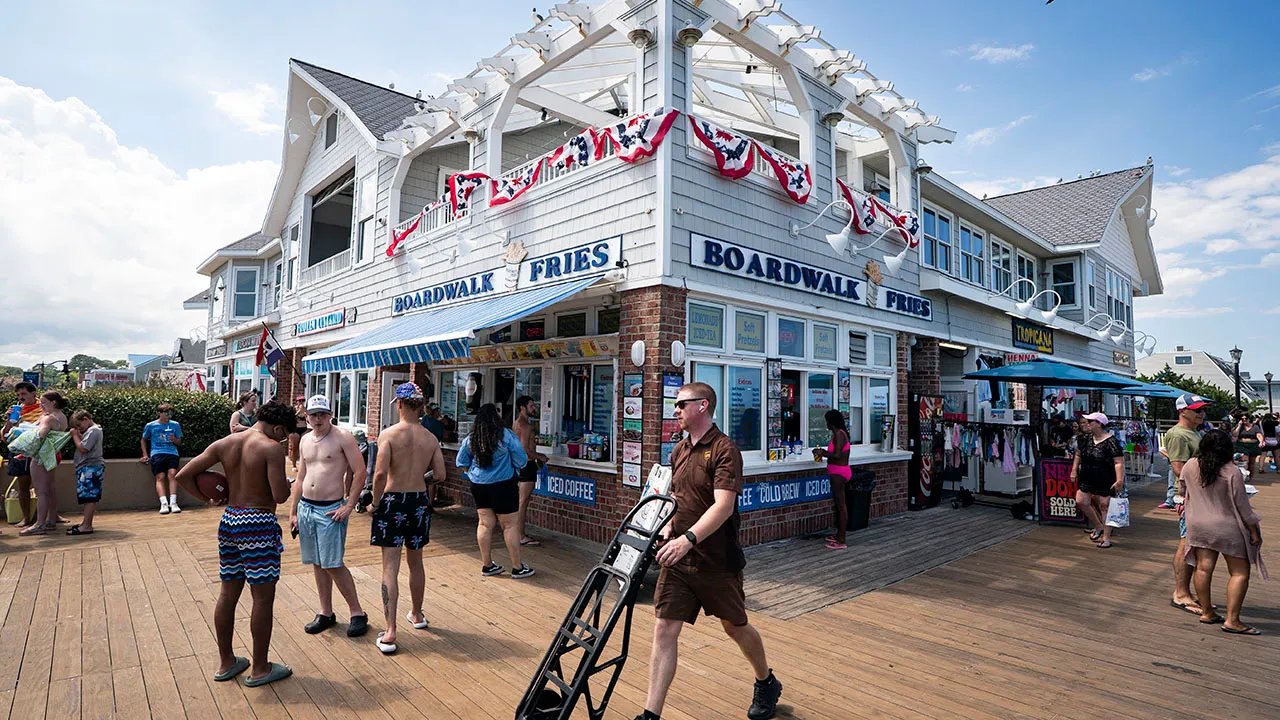
Delaware’s Coastal Boom: Why Retirees Are Flocking to Sussex County Despite Growing Pains
As the search for the perfect retirement destination intensifies, a “Silver Tsunami” is transforming the landscape of southern Delaware. Once a quiet coastal escape, Sussex County has emerged as a premier destination for older Americans, rapidly outpacing traditional retirement magnets like Arizona and Florida.
However, this demographic shift—while a boon for the state’s tax base—is beginning to push local infrastructure to its breaking point.
A Population Explosion
According to recent data, Sussex County has added 40,000 residents since 2020, representing a growth rate of 17%—a figure roughly five times the national average. Perhaps more telling is the surge in the senior demographic: Delaware now leads all 50 states in the growth of its 65-and-older population, which has expanded by 23% over the last four years.
This trend represents a pivot from the historical preference for the desert heat of the Southwest or the humidity of the Sunshine State. For many Northern retirees, particularly those fleeing high-tax states like New Jersey, Massachusetts, and New York, Delaware offers a “Goldilocks” climate that is closer to home but far more financially attractive.
The Tax Advantage
Financial incentives are a primary driver behind the move. Known as “The First State,” Delaware boasts a top income tax rate of just 6.6%, no state sales tax, and a notable lack of estate taxes.
For many, the transition is life-changing from a balance-sheet perspective. Financial planner Brad Travis Jr. notes that “property tax refugees” arriving from high-cost states can see their annual tax burdens plummet from as high as $18,000 to approximately $1,500. As these newcomers arrive, they are bringing higher disposable incomes with them; IRS migration data indicates that households moving into the area earn an average of $136,000, compared to the $92,000 median for long-term residents.
Growing Pains and Infrastructure Strain
Despite the economic influx, the rapid transition has left local municipalities struggling to keep pace. The infrastructure in towns like Lewes and Rehoboth Beach—the latter famous for hosting the home of former President Joe Biden—is showing clear signs of stress.
The consequences of this rapid growth are becoming impossible to ignore:
- Healthcare Bottlenecks: Local medical services are struggling to meet demand. Some residents report waiting as long as nine months for routine procedures like colonoscopies and over a year for dental care, often requiring travel of 40 miles or more to see specialists.
- Educational Overcrowding: The growth isn’t limited to retirees; families are moving in as well, forcing local school districts to resort to modular classrooms to accommodate an overflow of students.
- Urban Planning Concerns: Long-time residents and recent transplants alike are voicing frustration over what they characterize as a lack of foresight.
“There is an appalling lack of planning,” said 79-year-old Joe Pika, a former University of Delaware professor who relocated to the area four years ago. Pika’s sentiment reflects a growing divide between the region’s newfound popularity and its ability to sustain a high quality of life for its residents.
As retirees pouring into this coastal getaway continue to arrive, local officials face a difficult balancing act: capitalizing on the tax revenue and economic vitality provided by new residents while addressing the crumbling infrastructure that threatens to undermine the very appeal that made the region a retirement hotspot in the first place.