









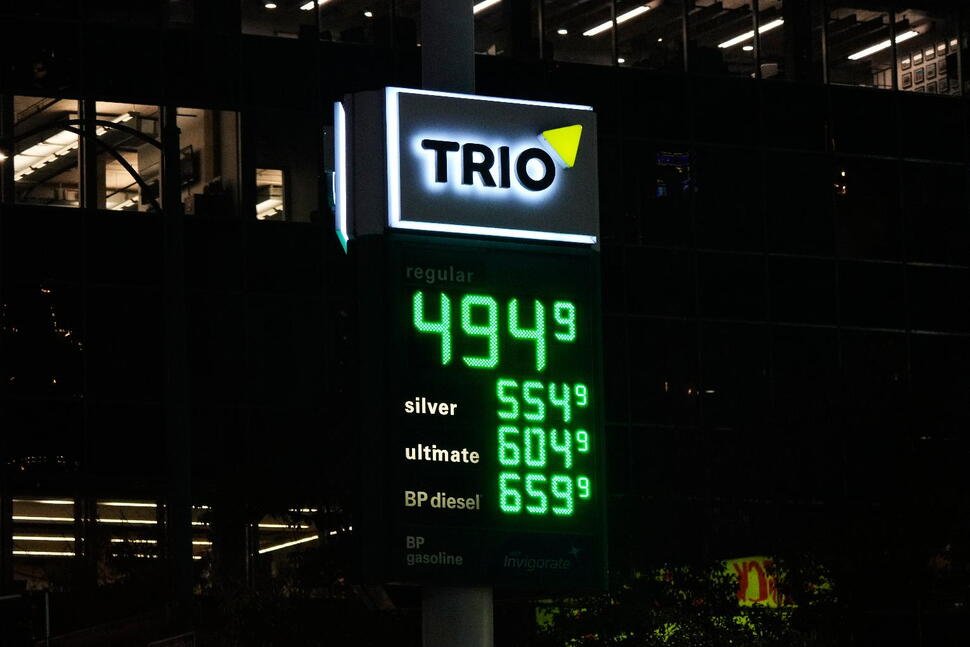
The U.S. war with Iran has entered its eighth month, creating a ripple effect that is fundamentally shifting the economic landscape for American households. As energy markets struggle with the volatility of Middle Eastern oil shipments, the average consumer is seeing their purchasing power eroded by rising costs at the pump, in the skies, and increasingly, at the checkout counter.
Economists are warning that the financial burden of this conflict is becoming deeply entrenched. According to Mark Zandi, chief economist at Moody’s Analytics, the war has effectively cost the typical American household roughly $2,000, factoring in surges in energy prices, elevated interest rates, and the broader economic weight of military spending. With fuel prices continuing their upward climb, this “war tax” is compounding by roughly $50 each week for the average family.
## The Digital Echo: How Tech and Logistics Are Responding
While the physical economy grapples with diesel and gasoline shortages, the tech industry is not immune to these systemic pressures. Companies that rely on massive global supply chains are currently being forced to reassess their logistical footprints.
As transportation and warehousing costs for businesses have surged by over 10% in the last year, major logistics players and retailers are leaning heavily on AI-driven analytics to manage the spike. Platforms that integrate AI into inventory management and route optimization are seeing record demand as companies scramble to offset high fuel surcharges. Tech giants are increasingly deploying machine learning models to predict volatile shipping costs, attempting to shield their bottom lines from the instability that has disrupted the traditional movement of goods.
## Consumer Impact and the Retail Cliff
For shoppers, the primary concern is how long businesses will continue to absorb these mounting production costs. Data from recent wholesale pricing suggests that the current relative stability at retail shelves may be coming to an end.
The footwear industry serves as a prime example of this latent inflationary pressure. With 70% of synthetic footwear materials derived from petroleum-based products, manufacturers are struggling to keep prices down. While consumers have seen only modest increases so far, industry leaders caution that there is a breaking point. Companies are working tirelessly to maintain affordability, but the persistent rise in raw material costs, combined with high logistics fees, makes further retail price hikes almost inevitable heading into 2027.
## Looking Ahead: A Challenging Holiday Forecast
As the nation approaches the midterm elections, the intersection of political uncertainty and economic fatigue is reaching a boiling point. The Energy Information Administration has issued dire warnings regarding heating costs for the upcoming winter, particularly for households in the Northeast that rely on heating oil.
This outlook is further complicated by the transportation sector. Major carriers like FedEx and UPS have already implemented fuel surcharges, and analysts from firms like AFS Logistics expect shipping costs to remain at record highs through the holiday season. Even if global oil prices were to stabilize tomorrow, the “baked-in” costs of current supply chain inefficiencies and revised surcharge formulas mean that relief for the average American shopper is not on the immediate horizon.
With the threat of an intensifying El Niño pattern potentially damaging crops and further inflating food prices, the combined impact of the war, energy costs, and climate-related supply chain shocks suggests that consumers should prepare for a period of sustained economic caution. Businesses are currently using all the technical tools at their disposal to navigate this volatility, but the path forward remains defined by profound uncertainty and the inescapable reality of higher costs.
Disclaimer: This content is auto-generated for informational purposes only.
Source: Read Original News