








International Rescue Efforts Intensify Following Devastating Nepal-Tibet Floods
The race against time continues as authorities and international teams intensify search and rescue operations in the wake of catastrophic flooding along the Nepal-Tibet border.
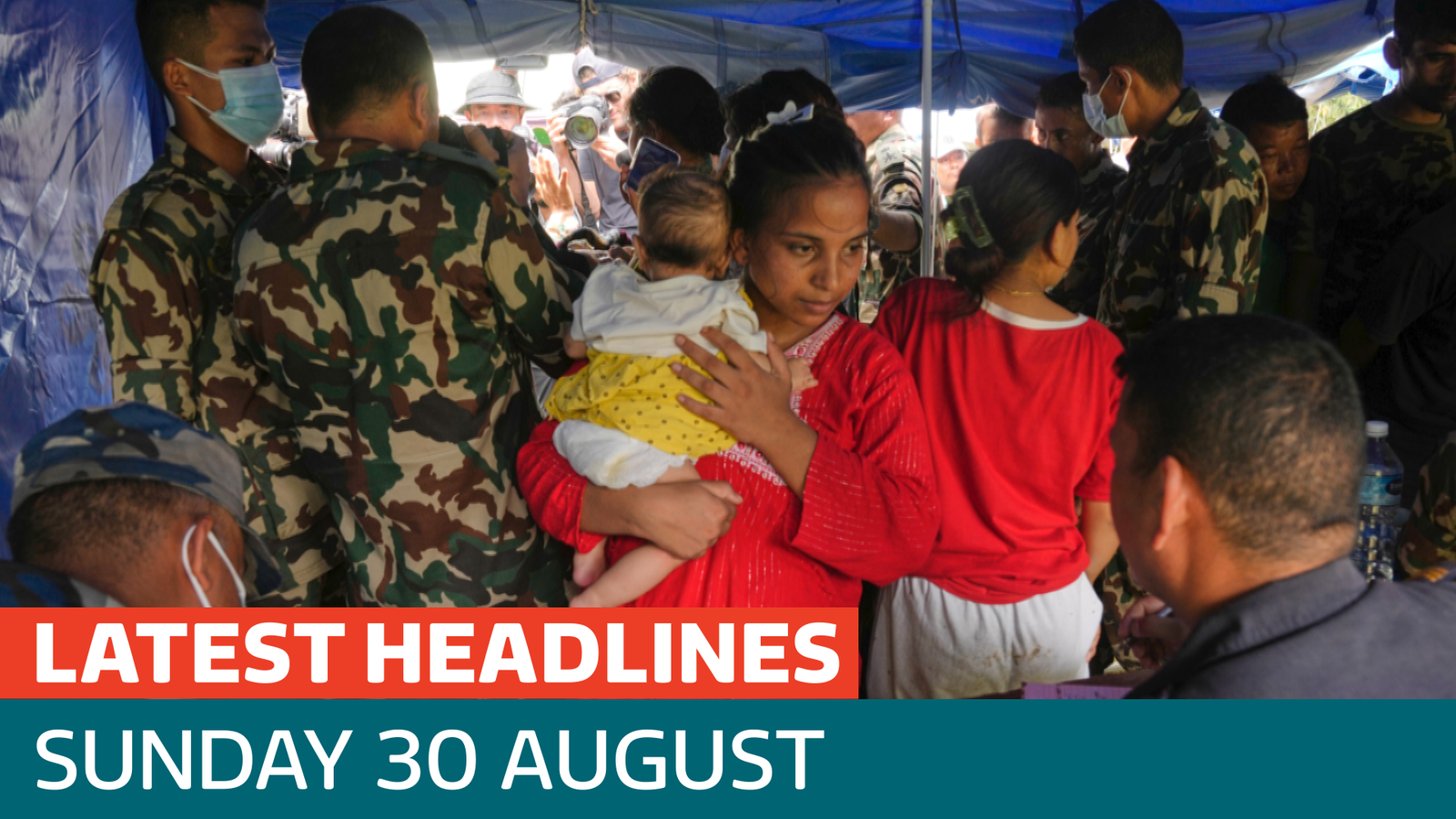
Emergency services remain on high alert as the humanitarian situation deteriorates following widespread destruction caused by torrential rainfall and subsequent flash floods. The surge of water, which has swept through regional infrastructure and residential areas, has left thousands of people displaced and in urgent need of assistance.
Regional officials report that the difficult mountainous terrain is severely hampering recovery efforts, with many remote communities remaining completely cut off from essential aid. Ground teams are working around the clock to clear debris and establish temporary supply corridors, while aerial reconnaissance is being utilized to identify isolated survivors in the most severely impacted zones.
“The scale of the devastation is immense, and our primary focus remains the safety and wellbeing of those still missing,” a spokesperson for the local disaster management agency noted. Governments in both Nepal and the Tibet Autonomous Region are collaborating to coordinate cross-border logistics, ensuring that medical supplies and food rations reach the hardest-hit areas as quickly as possible.
As the situation unfolds, there are growing concerns regarding the secondary impacts of the disaster, including the risk of waterborne diseases and the total loss of livelihoods for local farmers. Aid organizations have already begun launching emergency appeals, urging the international community to provide support to those left destitute by the deluge.
For those tracking the ongoing developments, you can follow the latest headlines and witness the progress of the rescue missions via ITV News, which continues to provide comprehensive coverage of this evolving crisis.
The recovery phase is expected to be a long-term process, requiring significant structural investment to rebuild homes and bridges destroyed by the flooding. For now, however, the priority remains clear: rescuing the vulnerable and preventing further loss of life.