







August Rains Fail to Ease India’s Monsoon Deficit; Kharif Acreage Takes a Hit
NEW DELHI: Despite witnessing pockets of improved weather in August, India’s cumulative monsoon deficit remains a pressing concern for the nation’s agricultural sector. Even with better-than-expected precipitation in several regions, the national shortfall has marginally widened, rising from 13% at the end of July to nearly 14% by the close of August.
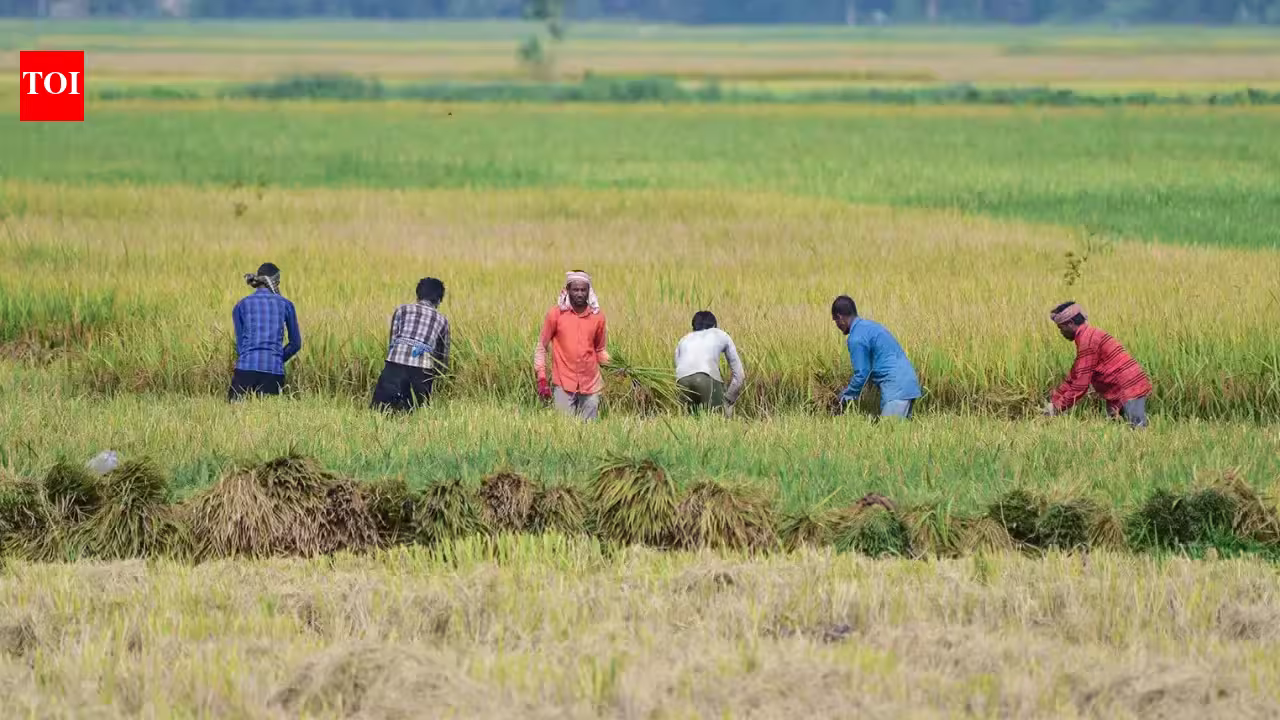
This persistent dry spell—characterized by erratic distribution—has begun to take a visible toll on the country’s sowing cycle. According to the latest government data, the total acreage for kharif (summer-sown) crops has dropped by approximately 2% compared to the same period last year.
Agricultural Impact: Paddy and Maize under Pressure
The decline in rainfall has disproportionately affected key staples. Paddy, the most vital seasonal crop, has seen a drop in sowing area of more than 3% year-on-year.
Perhaps more critically, maize—a cornerstone of India’s ethanol production pipeline—has experienced a sharper decline of over 4%. Agricultural experts warn that this shortfall could trigger a domino effect across the energy sector. Should maize yields fall short of expectations, the industry may be forced to rely more heavily on sugarcane as a feedstock for ethanol, potentially tightening supply and impacting sugar prices.
Regional Disparities and the “El Niño” Shadow
The failure to bridge the monsoon gap is largely attributed to the severe rainfall deficits observed in specific pockets of the country. Twelve states have reported a precipitation shortfall exceeding 20% since June 1. Most concerning are Bihar, Andhra Pradesh, and three northeastern states—Meghalaya, Manipur, and Arunachal Pradesh—which have recorded staggering deficits of over 40%.
While much of the country managed to defy initial predictions linked to El Nino—a climate phenomenon involving the warming of the Pacific Ocean often associated with weak Indian monsoons—the geographic spread of the rain has been highly uneven.
Peninsular India remains the hardest-hit region, suffering from a cumulative deficit of more than 23%. States like Karnataka, Kerala, and Andhra Pradesh have faced a largely dry season, compounding the stress on local farmers and water reserves.
Outlook: Subdued Activity Ahead
Looking toward the coming weeks, the India Meteorological Department (IMD) offers little immediate hope for the drought-affected peninsula, predicting “subdued rainfall activity” for the region.
While the IMD forecasts isolated bouts of heavy to very heavy rainfall over parts of eastern India—including Gangetic West Bengal, Jharkhand, and Odisha—due to a low-pressure area developing over the Bay of Bengal, meteorologists remain cautious. They suggest that while these short-term spells may offer marginal relief to specific eastern pockets, they are unlikely to be sufficient to offset the national deficit or significantly improve the overall kharif outlook.
As the southwest monsoon enters its final stretch, the agricultural sector remains in a state of watchful waiting, bracing for the potential economic ripple effects of a harvest season compromised by a fickle monsoon.