








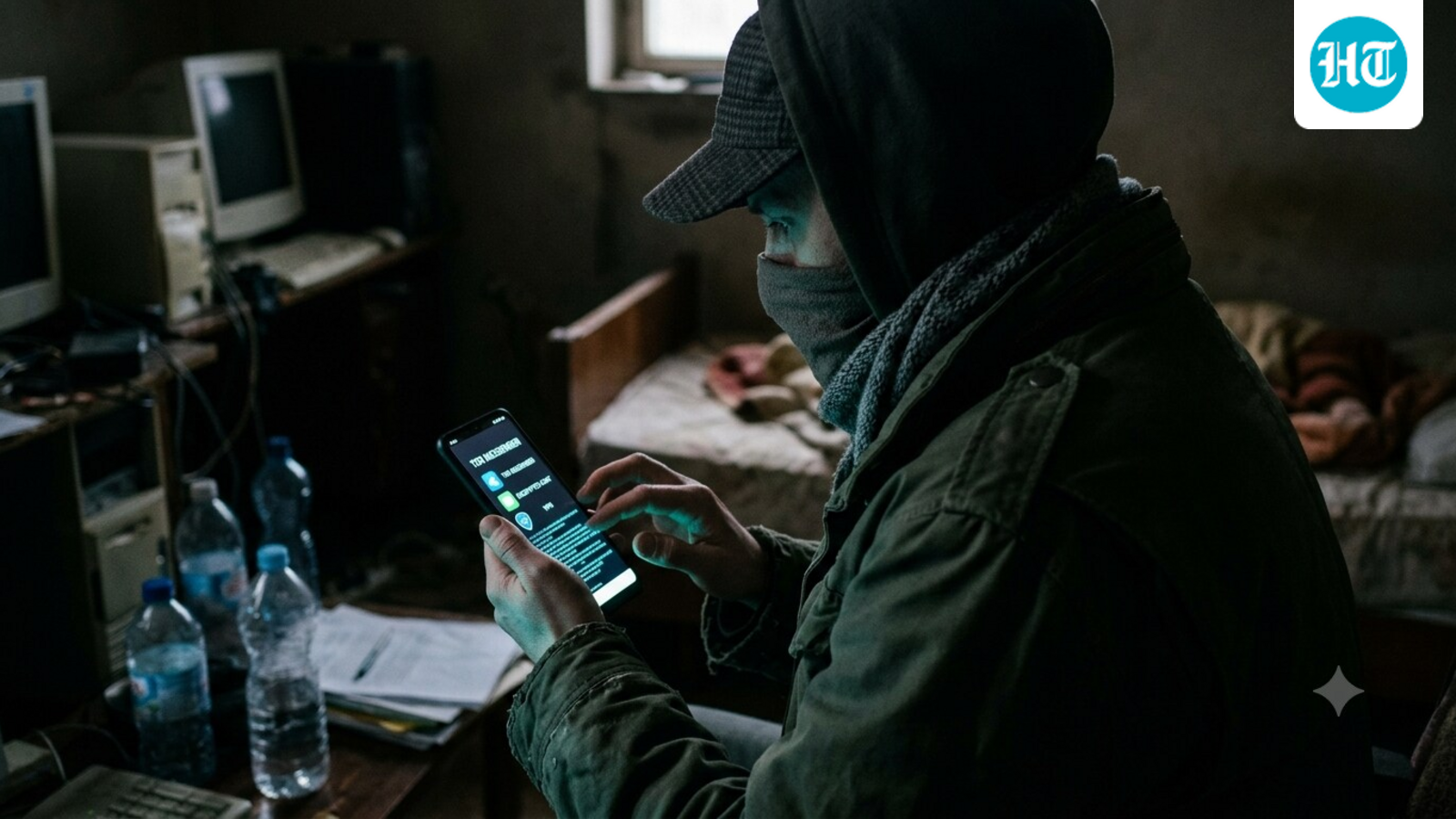
Terror Groups Shift to Porn Sites and Dark Web Tools to Evade Indian Security Agencies
In a chilling evolution of digital warfare, Indian security agencies have uncovered a sophisticated new strategy employed by terror outfits to communicate and recruit operatives. Moving away from mainstream social media platforms, militants are now increasingly leveraging the chat features embedded within banned pornography websites and obscure, encrypted applications to coordinate their activities, particularly in Jammu and Kashmir.
The Shift from Mainstream Apps
For years, authorities monitored platforms like WhatsApp, Facebook Messenger, and Signal for signs of radicalization. However, intelligence officials note that terror handlers—often backed by Pakistan’s Inter-Services Intelligence (ISI)—have transitioned to more clandestine digital environments. By utilizing platforms that fly under the radar of traditional surveillance, these groups aim to maintain total anonymity while orchestrating recruitment drives and tactical operations.
The move toward pornography websites serves a dual purpose. Although these sites are blocked in India, they remain easily accessible via Virtual Private Networks (VPNs). Intelligence inputs suggest these platforms often host real-time chat tools marketed as “dating” or “meetup” services. Terror handlers are exploiting these obscure chat rooms to broadcast operational instructions and identify potential recruits under the guise of casual interactions.
Cloaked in Anonymity: The Role of Tor and Encryption
The complexity of this new threat extends beyond simple website exploitation. Security agencies are currently scrutinizing a range of specialized digital tools that mask the origin and destination of terror-related communications.
Key findings by investigative bodies highlight:
- Tor-based Messaging: Handlers are using applications like Coatex and Conion, which leverage the Tor (The Onion Router) network. By bouncing traffic through a global series of encrypted volunteer nodes, these apps effectively strip away metadata, making it nearly impossible for intelligence agencies to trace the physical location of the user.
- SIM-less Communication: Intelligence reports indicate the use of France-based encrypted apps that do not require a SIM card or phone number for registration, effectively nullifying traditional user attribution methods.
- Niche Global Platforms: Agencies are also monitoring Vietnam-based apps and platforms like Moonchat, which offer PGP-encrypted messaging and often bypass standard registration protocols. Some of these tools are suspected to have Chinese origins, further complicating the geopolitical landscape of digital surveillance.
A Challenge for National Security
While tools like Tor were originally developed by the non-profit Tor Project to provide privacy and combat censorship for legitimate users, they have become a double-edged sword. Their robust anonymity features are now the primary shield for clandestine networks seeking to evade detection.
As the reach of these spy traps grows, Indian security agencies are tasked with the daunting challenge of upgrading their digital forensic capabilities. The discovery highlights a desperate, yet sophisticated, pivot by terror groups to maintain their communication lines in an increasingly interconnected and heavily monitored world.
Authorities remain on high alert, working to track these elusive digital footprints to dismantle terror modules before they can translate online communication into real-world violence.