








Restoring the Wild: How the National Trust is Transforming Holcombe Moor
A major environmental restoration project on the outskirts of Manchester is proving that land management can be a powerful tool in the fight against climate change while simultaneously reviving local biodiversity.
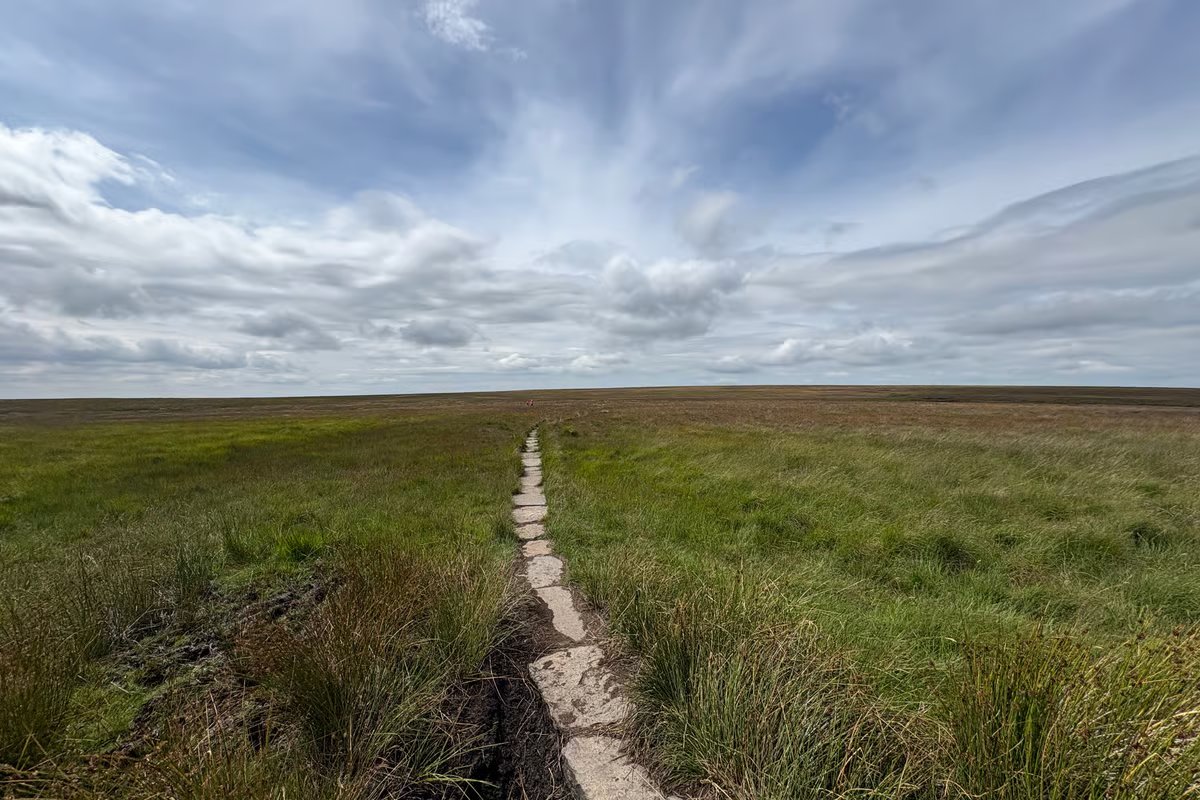
The National Trust has unveiled the progress of its extensive work on Holcombe Moor, an area of upland landscape north of Manchester that serves as a critical buffer for the surrounding environment. By shifting away from traditional intensive land-use practices, the charity is working to return the moorland to a more natural, resilient state.
At the heart of the project is the restoration of peatland ecosystems. Peat bogs are among the most effective carbon sinks on the planet, capable of capturing and storing vast amounts of carbon dioxide. However, when these landscapes are degraded—often through drainage or erosion—they can release that trapped carbon back into the atmosphere. The National Trust’s intervention aims to re-wet the moors, effectively “locking in” carbon while preventing further soil degradation.
Beyond carbon sequestration, the project is a significant victory for local wildlife. The restoration of native vegetation and the improved water retention of the moorland are creating vital habitats for a variety of species, including upland birds and rare insects that have struggled in the face of landscape fragmentation.
The initiative is part of a broader strategy by the National Trust to address the biodiversity crisis and mitigate the impacts of extreme weather. By slowing the flow of water across the landscape, the re-wetted moorland also helps to reduce the risk of flash flooding in the valleys below, providing a tangible benefit to the communities near Manchester.
As the UK continues to seek nature-based solutions to climate change, projects like Holcombe Moor serve as a blueprint for how large-scale land management can deliver multiple environmental dividends. Through patient restoration and careful stewardship, the charity is ensuring that this rugged, historic landscape remains a vibrant asset for both nature and the public for generations to come.