








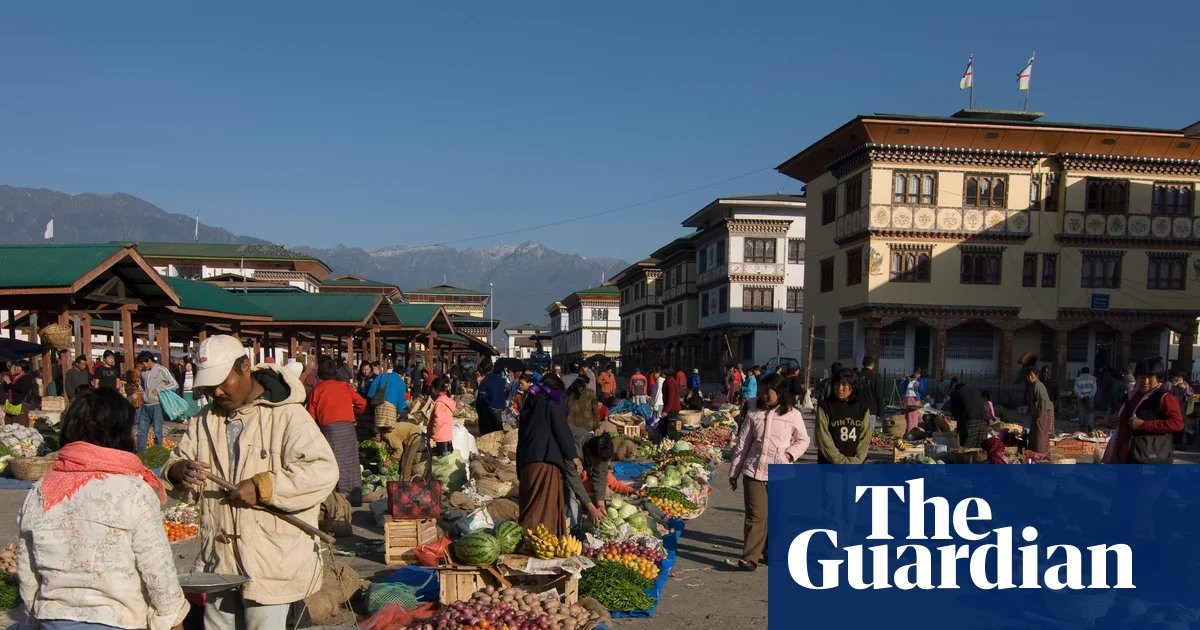
Rethinking Our Roots: Bhutan Hosts World’s First ‘Conscious Food Summit’
As the global food system buckles under the weight of climate-driven weather extremes, international leaders and experts are convening in the Himalayan kingdom of Bhutan to propose a radical shift in perspective. The world’s first “conscious food summit,” currently underway in Paro, aims to move beyond traditional economic fixes and industrial agricultural policies, suggesting that the key to survival lies in reviving a spiritual connection with what we eat.
Over the next five days, delegates from more than 60 countries and the United Nations will gather to bridge the gap between policy and mindfulness. The event features a diverse assembly of stakeholders, including government officials, farmers, mindfulness experts, and yoga therapists, all working toward a common goal: transforming the global food landscape.
A Call for Inner and Outer Change
Bhutan’s Prime Minister, Tshering Tobgay, underscored the urgency of the moment, noting that food security is increasingly jeopardized by conflict, poverty, biodiversity loss, and climate change.
“Our central message is simple: transforming our food systems requires both inner and outer change,” Tobgay told The Guardian. “This does not mean choosing spirituality over science. It means recognizing that our values and mindsets influence how science, policy, finance, and technology are used.”
The summit comes on the heels of devastating environmental events, such as the catastrophic glacial floods in Nepal and widespread crop failures caused by heatwaves and drought across the northern hemisphere. As the world braces for the impact of a “super El Niño,” the World Food Programme has warned that up to 50 million people could face the threat of acute hunger in the coming year.
Beyond Production: Regenerating Systems
For participants like Jerry Spooner of the Pacific NGO Regenerative Vanua, the current model of food production is fundamentally ill-equipped for modern crises. “The opportunity in Bhutan is to move beyond discussing how we produce more food and instead focus on how we build food systems that regenerate ecosystems, strengthen communities, celebrate culture, and improve our collective resilience,” Spooner said.
Tobgay argues that the current commodification of food has led to reckless waste and poor nutrition. He believes that by fostering “consciousness”—which he defines as compassion, empathy, and a connection with nature—we can begin to reshape the institutions and incentives that dictate global food choices.
This, he suggests, includes:
- Regenerative Agriculture: Shifting from soil-depleting industrial practices to methods that restore the land and protect water.
- Dignified Labor: Recognizing the health and well-being of the farmers who form the backbone of the food chain.
- Decentralized Policy: Developing agricultural strategies with rural communities, rather than imposing them from above.
A Path Toward a Global Revolution
At the heart of the summit’s philosophy is the belief that systemic change begins at the individual level. Prime Minister Tobgay, who maintains a daily practice of eating breakfast in quiet reflection by a stream, encourages others to reclaim the tradition of mindfulness before meals.
By taking time to reflect on the provenance and preparation of our food, the Prime Minister believes we can foster a deeper respect for the planet. While the shift may seem subtle, he envisions it as the starting point for a revolution in how humanity treats the environment and each other.
As the international community navigates the complexities of this conscious food summit, the focus remains steadfast on a singular truth: food systems are, ultimately, a reflection of the choices and values we hold dear.