








With less than two weeks until the midterm elections, the Republican Party is facing a mounting crisis of confidence among American voters. New polling data from the Washington Post-ABC News-Ipsos survey reveals a stark decline in the GOP’s standing across a broad spectrum of issues, suggesting that the party’s traditional coalition is fracturing under the weight of economic anxiety and administration controversy.
While Republicans have historically viewed midterm contests through the lens of specific wedge issues, the electorate’s current concerns are far more diverse. From the economic malaise gripping voters in industrial hubs like Detroit to the labor and immigration pressures felt in border communities, the American public is demanding concrete solutions rather than political theater.
The polling results, however, paint a grim picture for the incumbent party. When presented with twelve key policy areas—including taxes, healthcare, and transgender issues—voters identified the Democratic Party as more trustworthy on every issue except crime. Perhaps most damaging is the erosion of Republican credibility on the economy. Once a reliable stronghold, the GOP’s lead on economic management has evaporated, with the party now trailing Democrats by nine points, a sharp reversal from their position just six months ago.
Even on immigration, an issue President Donald Trump has positioned as the cornerstone of his administration’s agenda, the narrative has shifted. Following a period marked by a rigorous and frequently criticized crackdown, the Republicans have lost their five-point lead, with voters now favoring the Democratic approach by two points.
Rather than pivoting to address these widening gaps in voter trust, the Trump administration appears to have adopted a strategy of deflection. While the President has embarked on a whirlwind tour of swing states—including Kansas, Iowa, and Georgia—his messaging has largely ignored the economic struggles of everyday Americans. Instead, the White House has focused on inflammatory rhetoric, including attempts to characterize Democratic policy as inherently communist and the recent launch of a controversial $5,000 “Trump dividend” proposal, which critics have dismissed as a transparent election-year bribe.
The strategy of distraction has extended to the international stage. As the President navigates a complex geopolitical landscape, including a contentious war in Iran, the administration has pivoted toward volatile maneuvers involving Russia and Ukraine. Meanwhile, Vice President JD Vance has sought to internationalize domestic anxieties, citing unrest in France as a warning of the “future congressional Democrats seek” for the United States—a framing that appears to be missing the mark with voters focused on domestic affordability.
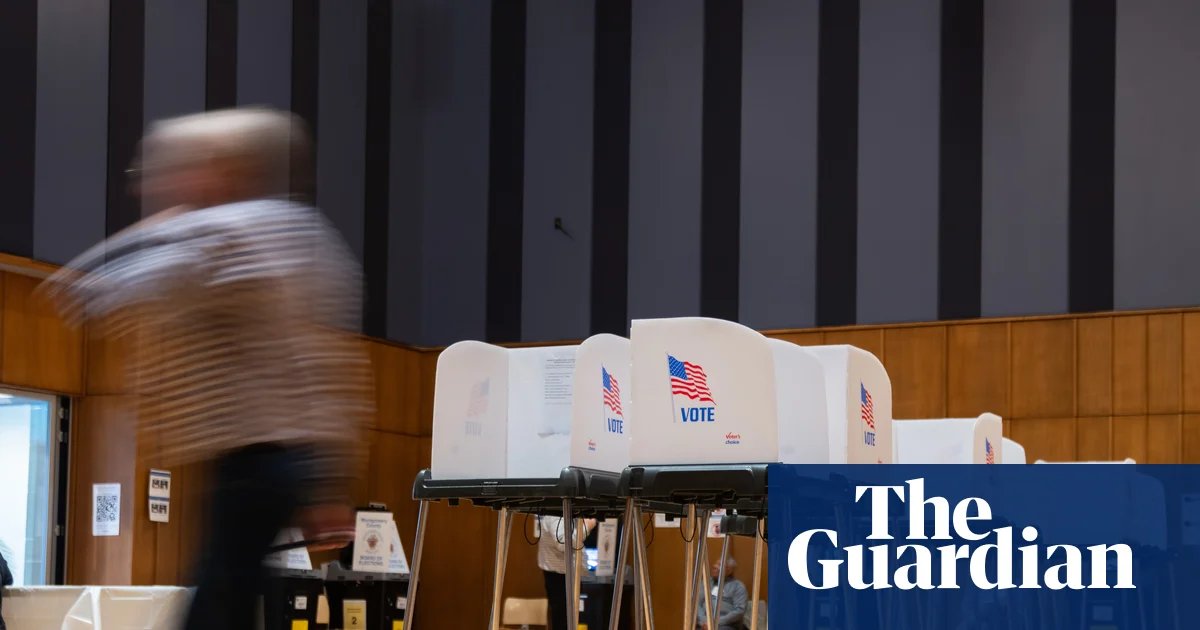
With candidates like Democrat Adam Hamilton making unexpected gains in deep-red territory like Kansas, and Mary Peltola’s grassroots campaign highlighting the staggering cost of living in rural Alaska, the political landscape is rapidly shifting. As tens of millions of Americans prepare to cast their ballots, the message from the electorate is clear: they are paying close attention to the realities of their daily lives, and the political gamesmanship of the final stretch may prove insufficient to bridge the widening divide.
Disclaimer: This content is auto-generated for informational purposes only.
Source: Read Original News