







Navigating Geopolitical Storms: Modi and Putin Meet at SCO Amid Shifting Global Alliances
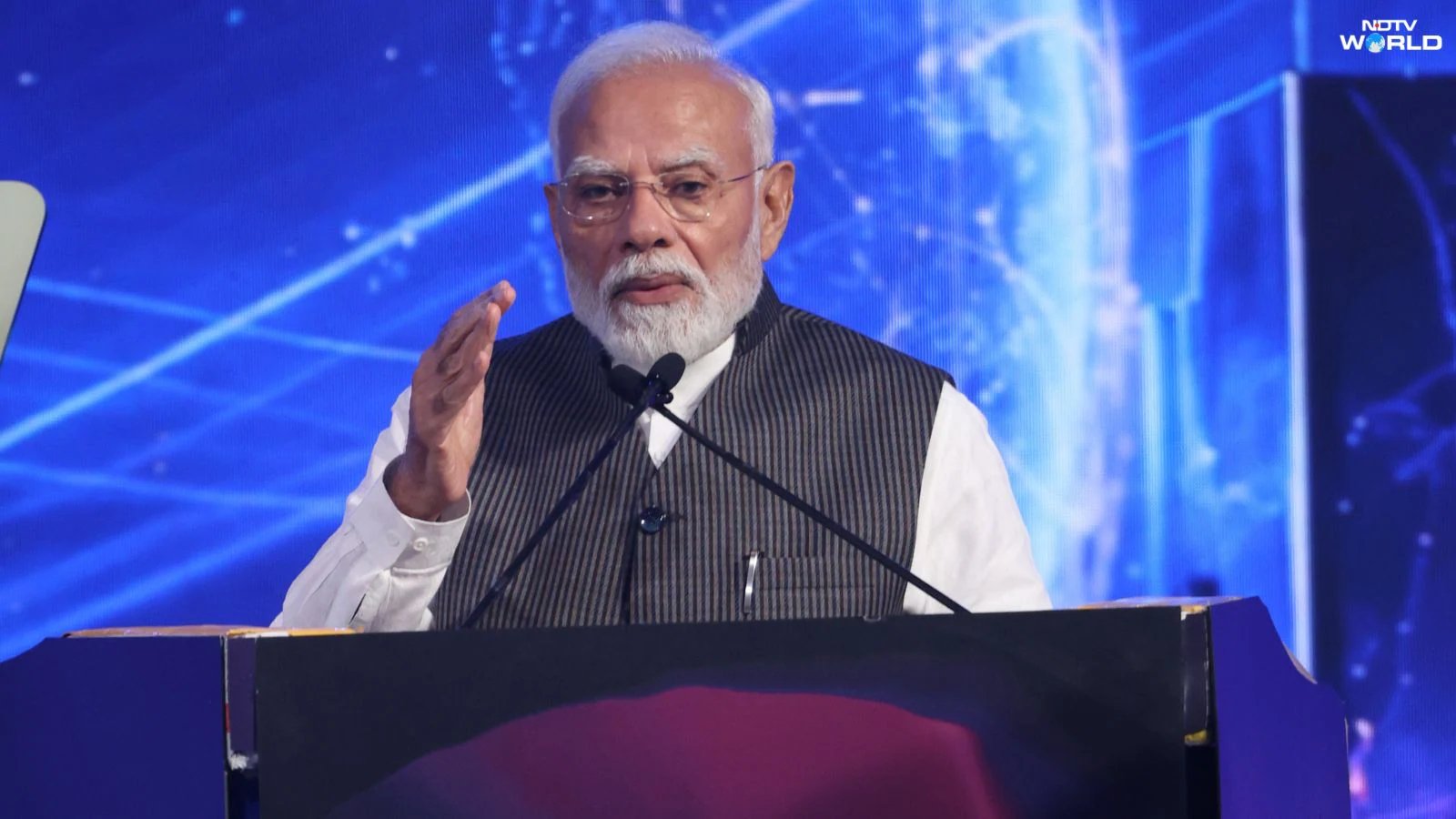
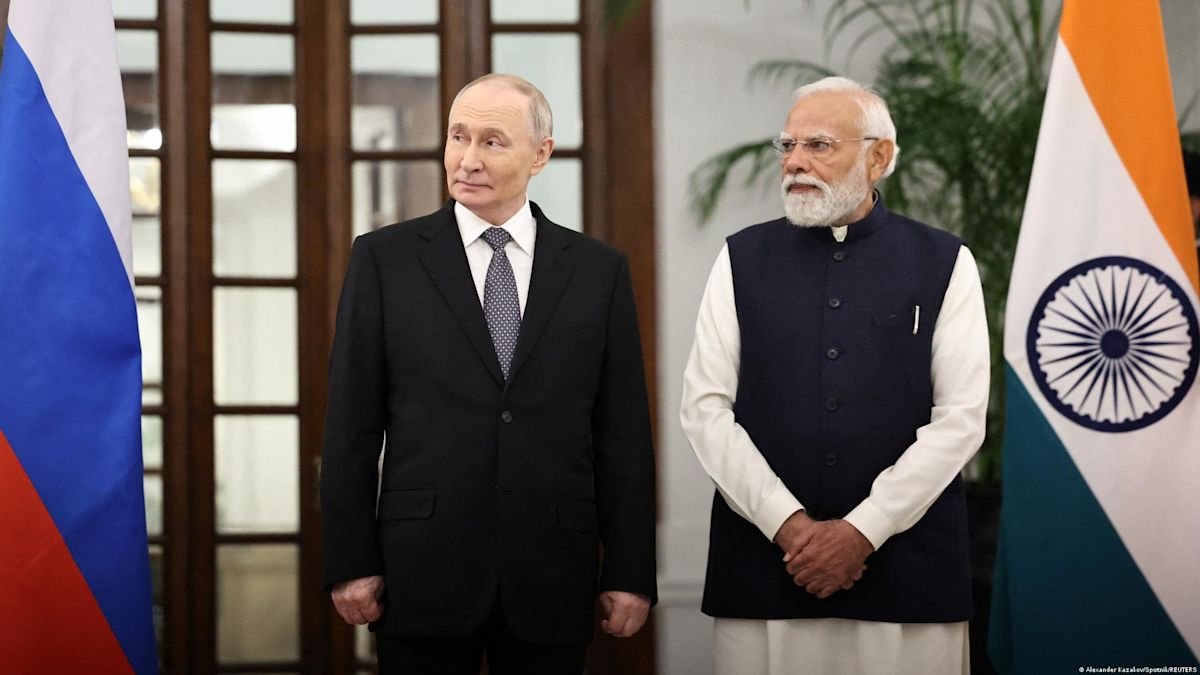
BISHKEK – Indian Prime Minister Narendra Modi and Russian President Vladimir Putin met on the sidelines of the Shanghai Cooperation Organization (SCO) summit in Bishkek on Monday, a high-stakes encounter that underscores New Delhi’s delicate balancing act in an increasingly fragmented global order.
The meeting occurs as the world grapples with a volatile intersection of crises: the protracted war in Ukraine, now in its fifth year, and the regional fallout from the US-Israel conflict on Iran, which has sent shockwaves through global energy markets.
The Pragmatic Pivot
India’s involvement in the SCO—a bloc often perceived as a counterweight to US influence—has consistently prioritized national interest over ideological alignment. While Western capitals have pressured India to distance itself from Moscow, New Delhi maintains that its ties with the Kremlin are based on long-term strategic necessity rather than anti-Western sentiment.
“India has a long-standing strategic relationship with Russia,” said Meera Shankar, former Indian ambassador to the US. “This is not directed against any country but intended to help India meet its national goals.”
Energy Security and the “America Plus” Strategy
The most visible shift in the bilateral relationship has been in energy. Following the 2022 invasion of Ukraine, India rapidly increased its intake of discounted Russian crude. While this move drew sharp criticism from Washington, New Delhi has framed the decision as a vital measure to protect its citizens from volatile global prices, particularly as tensions in the Strait of Hormuz threaten supply chains from the Gulf.
As the pressure mounts, experts point to India’s evolving “America plus” strategy. According to C. Raja Mohan, a professor of American Studies at Jindal Global University, this approach involves prioritizing the US as a primary partner while hedging by engaging with other major powers.
“India is trying to reduce its exposure to American volatility, but it still recognizes that Washington is its most important partner,” Mohan noted.
A Recalibrated Defense Partnership
The defense pillar of the relationship is also undergoing a quiet, fundamental transformation. India, historically a major buyer of Russian military hardware, is becoming increasingly cautious. Questions surrounding Russia’s production capacity and the ability to guarantee spare parts amidst international sanctions have spurred New Delhi to push for local, indigenous production rather than simple, off-the-shelf purchases.
Aravind Yelery, an associate professor at Jawaharlal Nehru University, observes that India is now reluctant to commit to new, large-scale Russian hardware programs unless they align with India’s “Make in India” defense initiative.
The China Factor
Central to these calculations is the growing, lopsided dependence of Russia on China. With Moscow increasingly reliant on Beijing for economic survival, Russia’s traditional role as a strategic counterweight to China has diminished, forcing India to reassess the value of its historical ties with the Kremlin.
“Russia is no longer in a position to help India balance China,” Mohan explained.
Looking Ahead
For President Putin, the Bishkek summit is a platform to ensure that one of his few remaining major partners remains engaged despite severe international isolation. For Prime Minister Modi, the meeting serves to maintain institutional continuity while navigating the competing demands of the West and the global East.
As the two leaders look toward the upcoming BRICS summit in New Delhi this September, the diplomatic focus remains clear: sustaining a relationship that, while no longer what it was before the Ukraine war, remains a crucial element in India’s strategy to maintain its independent strategic weight on the world stage.
Ultimately, the India-Russia relationship continues to be defined by specific, pragmatic needs—energy, defense, and technology—even as the broader geopolitical terrain beneath them shifts with increasing intensity.