









India Rejects Hague Ruling on Indus Waters Treaty, Defying International Court
New Delhi asserts that the Permanent Court of Arbitration lacks the authority to challenge its sovereign decisions as the historic water-sharing pact with Pakistan remains in limbo.
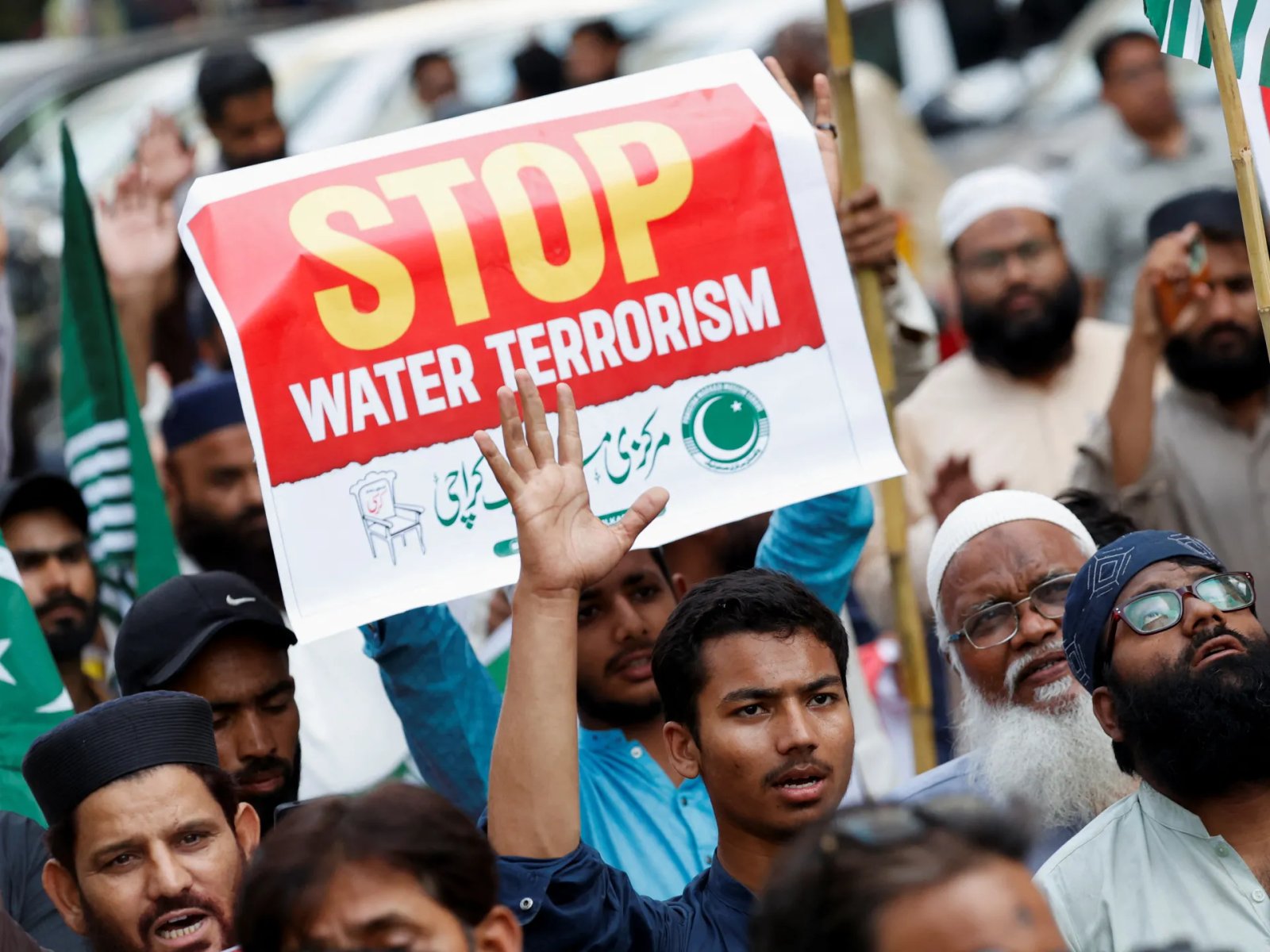
NEW DELHI – Tensions between India and Pakistan have reached a new diplomatic boiling point after New Delhi formally rejected a ruling by the Permanent Court of Arbitration (PCA) in The Hague. The court had ordered India to uphold the 1960 Indus Waters Treaty, a foundational agreement that has survived three major wars between the two nuclear-armed neighbors.
The standoff, which threatens the water security of millions in the region, stems from India’s decision to suspend the treaty in April 2025. New Delhi’s move followed a deadly terror attack at a Kashmir tourist destination that claimed 26 lives, with Indian authorities identifying two of the perpetrators as having links to Pakistan. Islamabad has vehemently denied any involvement in the incident.
A Treaty at the Breaking Point
The Indus Waters Treaty, brokered by the World Bank, is one of the most durable international agreements in modern history, governing the shared river systems that provide irrigation to 80 percent of Pakistan’s agricultural land.
However, the current diplomatic collapse suggests the pact may be nearing an irreversible end. On Monday, the Hague-based tribunal issued a firm ruling, declaring that the treaty remains “fully binding” and that India provided no legal justification for its suspension. The court further imposed an injunction on the Ratle Hydro-Electric Plant in Kashmir, prohibiting construction on the dam wall and power intake structures. These limitations are set to remain in effect until 90 days after a World Bank-appointed neutral expert issues a formal report, expected by July 2027.
India Challenges the Court’s Authority
Despite being an official member of the PCA, the Indian government has taken a defiant stance, signaling that it will not comply with the tribunal’s directives.
In a sharply worded statement, the Indian Ministry of External Affairs said it “categorically” rejected the verdict, characterizing the tribunal as a “so-called” entity. “This so-called Court of Arbitration has no jurisdiction whatsoever to pronounce on India’s sovereign decisions,” the ministry stated. “Its pronouncements, now or in the future, will have no effect on India’s actions in connection with the projects being undertaken by India.”
The dispute was triggered by India’s recent efforts to expand reservoir holding capacity at two hydroelectric projects in the Kashmir region. Pakistan challenged the construction, arguing that it represented a tangible violation of the treaty’s established legal framework.
Pakistan Seeks a Path Forward
Following the announcement of the tribunal’s interim measures, Pakistan expressed cautious optimism. Officials in Islamabad stated that they are reviewing the court’s decision to determine how it might facilitate a return to engagement under the treaty’s binding obligations.
As the legal battle intensifies, the international community watches with concern. The impasse over the Indus Waters Treaty highlights the fragile nature of regional cooperation, with experts fearing that the collapse of such a long-standing accord could exacerbate the already volatile territorial disputes in the Kashmir region. With India signaling its intent to proceed with its infrastructure projects regardless of international legal pressure, the future of water security for the subcontinent remains deeply uncertain.